Introduction
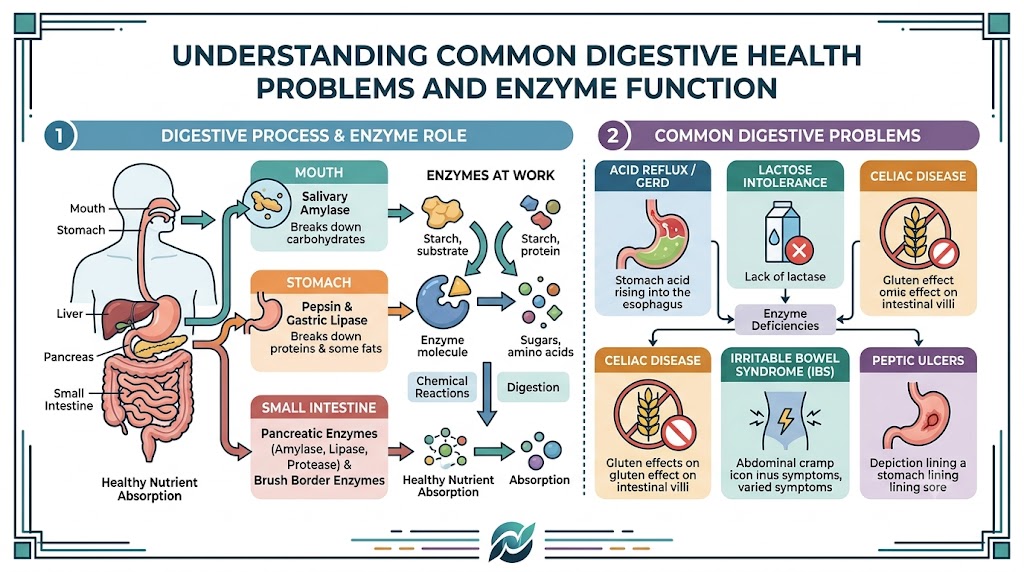
Maintaining a healthy digestive tract is fundamental to protecting systemic wellness, sustaining cell production, and supporting steady energy levels. The process of digestion goes far beyond mechanically chewing and swallowing food. It relies on a carefully synchronized series of chemical reactions within the gut. When these reactions occur smoothly, the body efficiently processes food, turning daily meals into the essential building blocks necessary for total vitality.This educational guide simplifies the complexities of enzyme dynamics, helps you recognize early symptoms, and outlines modern therapeutic pathways. To explore structured medical resources, access verified gastrointestinal directories, and connect with reputable specialists, visit GASTROHOSPITALS to support your ongoing digestive health journey.
Understanding Digestive Enzymes
Digestive enzymes are specialized proteins created by the body to catalyze, or accelerate, the chemical breakdown of food components. Each enzyme features a specific molecular structure tailored to interact with a single, matching type of nutrient, working much like a key designed for a specific lock. This targeted system ensures that complex carbohydrates, dense proteins, and dietary fats are processed step-by-step as they move through the digestive tract.
+-----------------------------------------------------------------+
|                    SPECIFIC ENZYME MATCHES                      |
+-----------------------------------------------------------------+
|  [Protease Enzyme] -----------> Breaks Down Intricate Proteins   |
|  [Amylase Enzyme] ------------> Processes Complex Starches      |
|  [Lipase Enzyme] -------------> Dissolves Dietary Fats          |
+-----------------------------------------------------------------+
The breakdown of food occurs sequentially as it passes through different parts of the digestive system:
- The Salivary Glands: Initiate carbohydrate breakdown right in the mouth by secreting initial levels of starch-cleaving enzymes.
- The Stomach: Uses strong gastric juices and specialized proteins to begin unfolding long chain amino acids.
- The Pancreas: Acts as the primary factory for digestive processing, producing powerful enzymes that are delivered directly into the upper small intestine.
- The Small Intestine: Works as the final site for nutrient absorption, producing its own surface enzymes to finish the digestive process.
When these organs work together effectively, nutrients are broken down thoroughly, allowing the lining of the small intestine to absorb vitamins and minerals cleanly. This smooth interaction supports steady tissue repair, hormone production, and strong immune health across the entire body.
What Is Digestive Enzyme Deficiency?
A digestive enzyme deficiency occurs when the body cannot produce or secrete an adequate volume of specific digestive enzymes to meet its everyday metabolic needs. Without these chemical catalysts, food particles remain too large and complex to pass through the semi-permeable lining of the small intestine, leading to impaired nutrient absorption.
When unabsorbed food sits in the digestive tract, it alters the natural balance of the gut environment. As these large food particles travel into the lower intestines, they attract excess water and become a food source for resident gut bacteria. This interaction leads to fermentation, producing organic gases, acids, and fluids that can cause noticeable abdominal distension, cramping, and altered bowel habits.
Deficiencies exist on a wide spectrum:
- Mild Deficiencies: Often show up as occasional gas, soft stools, or a feeling of heaviness after eating rich, dense meals. These mild variations can usually be managed with minor dietary adjustments or simple lifestyle improvements.
- Severe Deficiencies: Such as advanced pancreatic insufficiency, present much greater health challenges. In these cases, the body struggles to process entire food groups, leading to significant nutritional depletion, chronic physical fatigue, muscle wasting, and progressive weight loss even with adequate food intake.
Digestive Enzymes Comparison Table
| Enzyme Name | Primary Clinical Function | Breaks Down |
| Amylase | Supports carbohydrate digestion and conversion | Complex starches, glycogen, and simple sugars |
| Lipase | Facilitates fat digestion and lipid processing | Dietary triglycerides, oils, and fat-soluble items |
| Protease | Assists protein digestion and peptide separation | Structural proteins, meats, and long-chain amino acids |
| Lactase | Digests natural milk sugars on the intestinal border | Lactose found in dairy products and milks |
| Sucrase | Processes common table sugars into cellular fuel | Sucrose molecules and refined sweetening compounds |
Common Causes of Digestive Enzyme Deficiencies
An enzyme deficiency can develop due to structural changes in enzyme-producing organs, underlying digestive conditions, or natural lifestyle shifts over time.
Pancreatic Disorders and Chronic Inflammation
Because the pancreas serves as the body’s primary enzyme manufacturer, any condition affecting its tissue can significantly lower enzyme production. Chronic pancreatitis—a condition involving long-term inflammation that gradually replaces healthy pancreatic cells with scar tissue—is a leading cause of severe enzyme issues. Structural blockages in the pancreatic duct or past surgical procedures involving pancreatic tissue can also limit the regular delivery of enzymes to the small intestine.
Aging-Related Digestive Changes
As part of the natural aging process, the body’s metabolic functions gradually slow down, which can influence the volume of digestive juices produced. Over time, the organs may secrete fewer stomach acids and enzymes, reducing the efficiency of your digestion. These normal changes can make it more difficult to process heavy proteins or large meals comfortably as you grow older.
Gastrointestinal Diseases and Surface Damage
Many long-term digestive health problems can damage the delicate lining of the small intestine, where key enzymes like lactase are produced. Conditions such as untreated celiac disease, Crohn’s disease, or severe small intestinal bacterial overgrowth (SIBO) can flatten or inflame the microscopic villi lining the gut. This surface damage reduces the body’s ability to create enzymes and absorb nutrients properly.
Genetic Mutations and Inherited Conditions
In some cases, enzyme deficiencies are rooted in inherited genetic variations. Conditions like cystic fibrosis can cause abnormally thick mucus to form, blocking the pathways of the pancreas and preventing essential enzymes from reaching the digestive tract. Other rare inherited conditions can leave the body entirely unable to produce specific individual enzymes, such as sucrase, from birth.
Symptoms of Digestive Enzyme Deficiency
The symptoms of a digestive enzyme deficiency typically appear within a few hours after eating, directly reflecting the body’s struggle to break down nutrients effectively.
+-----------------------------------------------------------------------+
|                    ENZYME LOSS CLINICAL PATHWAY                       |
+-----------------------------------------------------------------------+
|  [Low Enzyme Levels] ----> Unabsorbed Food Solids In Gut              |
|  [Bacterial Response] ---> Increased Fermentation, Acids, & Gas       |
|  [Physical Manifest] ----> Bloating, Urgent Diarrhea, & Stool Shifts  |
+-----------------------------------------------------------------------+
Persistent Bloating and Gas
When food isn’t broken down completely in the upper digestive tract, it undergoes bacterial fermentation in the intestines. This process releases steady amounts of hydrogen, methane, and carbon dioxide gases, stretching the intestinal walls and causing uncomfortable bloating, fullness, and flatulence after meals.
Chronic Diarrhea and Stool Shifts
Unabsorbed nutrients can draw extra water into the large intestine through osmosis, leading to frequent, loose, or urgent bowel movements. When fat digestion is impaired, stools often become bulky, greasy, unusually pale, and difficult to flush—a clinical sign known as steatorrhea that indicates fat is passing through the body unused.
Ongoing Abdominal Discomfort
The presence of excess gases, organic acids, and fluids can increase pressure within the intestines, leading to sharp cramps or dull aches. This discomfort often moves through different areas of the abdomen and typically eases temporarily following a bowel movement.
Unexpected Weight Loss
When a severe enzyme deficiency prevents the body from absorbing calories, proteins, and fats properly, it can lead to unexpected weight loss. Even with a consistent, healthy appetite, individuals may lose weight as the body draws on its own fat and muscle stores to maintain basic energy levels.
Nutritional Depletion and Chronic Fatigue
Long-term challenges with nutrient absorption can leave the body lacking vital micronutrients, leading to ongoing physical fatigue, muscle weakness, and low stamina. A lack of healthy fat absorption can also prevent the body from processing essential fat-soluble vitamins (A, D, E, and K), affecting bone strength, immune function, and skin health over time.
Symptoms and Effects Table
| Observed Symptom | Potential Physiological Impact | Impact on Long-Term Wellness |
| Bloating | Fluid and gas accumulation stretching the gut walls | Causes daily physical discomfort and tight clothing fit |
| Diarrhea | Rapid transit of food resulting in fluid losses | Increases risk of dehydration and electrolyte imbalances |
| Excess Gas | Microbial fermentation of undigested starches | Causes cramping pains and embarrassing flatulence shifts |
| Weight Loss | Persistent calorie loss due to malabsorption | Causes muscle thinning and reduces physical stamina |
| Fatigue | Inadequate cellular energy and low nutrient levels | Lowers daily concentration, focus, and drive |
| Vitamin Deficiencies | Depletion of essential fat-soluble micro-nutrients | Weakens bone density and slows down tissue recovery |
Types of Digestive Enzyme Disorders
Digestive enzyme disorders can be categorized by the specific organs involved, the particular nutrients affected, or whether the condition is acquired or present from birth.
Pancreatic Enzyme Insufficiency (PEI)
PEI develops when the pancreas cannot produce or secrete the necessary volume of digestive enzymes, particularly lipase, amylase, and protease. This insufficiency makes it incredibly difficult for the body to break down fats and proteins, leading to significant fat malabsorption, greasy stools, and rapid nutritional depletion. PEI is frequently associated with long-term conditions like chronic pancreatitis, cystic fibrosis, or history of pancreatic surgery.
Lactase Deficiency
Lactase deficiency is one of the most common digestive enzyme disorders worldwide, occurring when the lining of the small intestine produces insufficient amounts of the lactase enzyme. Without enough lactase, the body cannot break down lactose—the natural sugar found in milk and dairy products. This unabsorbed sugar travels into the colon, causing gas, bloating, and watery diarrhea, a set of symptoms commonly known as lactose intolerance.
Sucrase-Isomaltase Deficiency
This condition occurs when the body lacks the specific enzymes needed to process sucrose (common table sugar) and isomaltase (a starch derivative). When these sugars enter the digestive tract, they remain unbroken, causing significant abdominal cramping, bloating, and chronic diarrhea after eating sweet foods or certain starches. This disorder can appear as an inherited genetic trait in infants or develop later in life due to surface injury to the small intestine.
Congenital Enzyme Disorders
Congenital enzyme disorders are rare genetic conditions present from birth where a child is born completely lacking the genetic instructions needed to build a specific digestive enzyme. These conditions require early identification and specialized medical management to ensure infants receive the necessary nutrition to grow and develop normally.
How Doctors Diagnose Enzyme Deficiencies
Identifying a digestive enzyme deficiency requires a careful, step-by-step evaluation by a medical professional to rule out other gastrointestinal conditions and pinpoint the exact cause of your symptoms.
- Comprehensive Medical Review: The process begins with a detailed discussion of your medical history, your typical diet, the timing of your symptoms, and any family history of digestive issues.
- Fecal Elastase Testing: A common, non-invasive stool test that measures the concentration of elastase—an exceptionally stable enzyme produced by the pancreas. Low levels of elastase in the stool sample provide clear evidence of pancreatic insufficiency.
- Targeted Laboratory Blood Work: Blood tests allow clinicians to check for signs of malabsorption by measuring levels of fat-soluble vitamins, iron, and key proteins, while helping screen for indicators of underlying celiac disease or tissue inflammation.
- Abdominal Imaging Studies: Advanced imaging scans, such as ultrasound, CT, or MRI, help doctors inspect the physical structure of the pancreas and surrounding ducts to look for signs of scarring, calcium deposits, or blockages.
- Specialized Endoscopic Evaluations: In some cases, a gastroenterologist may perform an upper endoscopy to gather small tissue samples from the lining of the small intestine. This allows for a close evaluation of the delicate villi to check for signs of celiac disease or surface enzyme issues.
Treatment Options for Digestive Enzyme Deficiency
Managing an enzyme deficiency effectively focuses on supporting your body’s digestion, replacing missing enzymes, and addressing any underlying health concerns.
+-----------------------------------------------------------------+
|                    HOLISTIC TREATMENT MATRIX                    |
+-----------------------------------------------------------------+
|  [PERT Replacement] ------> Take Microspheres Direct With Food  |
|  [Diet Adaptations] ------> Balance Fats & Choose Smaller Meals |
|  [Vitamin Support] -------> Replenish Fat-Soluble Micronutrients|
+-----------------------------------------------------------------+
Enzyme Replacement Therapy (PERT)
For individuals with severe deficiencies, such as Pancreatic Enzyme Insufficiency, Enzyme Replacement Therapy is a cornerstone of care. This therapy involves taking prescription capsules containing purified digestive enzymes derived from natural sources right alongside your meals and snacks. These capsules are designed to mix thoroughly with food as it enters the stomach, mimicking the body’s natural processes to support proper breakdown and nutrient absorption.
Targeted Dietary Modifications
Adjusting your daily nutrition can significantly reduce the strain on your digestive tract. For instance, individuals with a lactase deficiency can find relief by switching to lactose-free options or using over-the-counter lactase supplements when consuming dairy. When fat absorption is impaired, working with a specialized dietitian can help you balance your intake of healthy fats while ensuring you consume enough calories.
Managing Underlying Medical Conditions
Long-term success often depends on treating the primary condition causing the enzyme deficiency. If the issue stems from an unmanaged disorder like celiac disease or Crohn’s disease, following a strict gluten-free diet or using prescribed anti-inflammatory medications can help heal the intestinal lining, allowing the body to recover its natural enzyme production.
Structured Nutritional Support
When long-term absorption challenges have caused nutritional depletion, targeted supplementation is often necessary to rebuild the body’s stores. Healthcare providers can monitor your blood levels and prescribe easily absorbed forms of fat-soluble vitamins (A, D, E, and K) and minerals, helping protect your bone density, immune strength, and physical energy.
Foods and Lifestyle Habits That Support Digestion
Building simple, digestion-friendly habits into your daily routine can support your body’s natural processes and improve overall comfort after meals.
- Choose Smaller, Balanced Meals: Eating smaller portions more frequently throughout the day prevents your digestive organs from becoming overloaded, making it easier for available enzymes to process food efficiently.
- Maintain Consistent Hydration: Drinking adequate amounts of water throughout the day supports the smooth movement of food through the digestive tract and aids in the production of digestive juices.
- Incorporate Easily Digestible Fiber: Focus on tender, well-cooked vegetables and soluble fibers that are gentle on the digestive tract, helping support regular bowel movements without causing excess gas.
- Identify and Limit Personal Trigger Foods: Keep a simple food diary to look for patterns, allowing you to reduce your intake of foods that consistently cause you discomfort, such as heavily fried items or artificial sweeteners.
- Practice Mindful Eating Habits: Taking the time to chew your food thoroughly mixes it well with salivary enzymes, reducing the mechanical workload on your stomach and lower intestines.
Common Mistakes People Make
- Ignoring Persistent Symptoms: Dismissing regular bloating, gas, or shifts in your bowel habits as temporary stress rather than seeking a professional evaluation.
- Attempting to Self-Diagnose: Relying on online search results to guess your condition and buying unverified over-the-counter supplements, which can delay proper care and result in ineffective symptom management.
- Delaying a Medical Consultation: Waiting until severe weight loss or extreme physical fatigue develops before scheduling an appointment with a gastroenterologist.
- Relying on Unbalanced Elimination Diets: Cutting out major, healthy food groups without professional guidance, which can increase the risk of nutritional deficiencies and make finding the true cause of your symptoms more difficult.
- Skipping Follow-Up Medical Care: Neglecting scheduled checkups once your symptoms begin to improve, missing important opportunities to monitor your long-term absorption and vitamin levels.
Real-Life Patient Scenarios
Scenario 1: Reclaiming Comfort and Nutrition Through a Precise Diagnosis
A patient began experiencing frequent abdominal bloating and bulky, loose stools after meals, which gradually led to unexpected weight loss and ongoing physical fatigue. They initially assumed they had developed a general food sensitivity and tried cutting multiple items out of their diet, but their comfort did not improve.
Deciding to seek professional guidance, they visited a gastroenterology center for a thorough evaluation. A non-invasive fecal elastase test located a significant drop in pancreatic enzyme levels, confirming a diagnosis of Pancreatic Enzyme Insufficiency. Their physician prescribed structured Enzyme Replacement Therapy to be taken with each meal, alongside targeted vitamin support. Within a few weeks, the patient’s digestion stabilized, their energy levels returned, and they began regaining weight safely and comfortably.
Scenario 2: Identifying Surface Changes to Manage Occasional Discomfort
An individual noticed they were regularly experiencing sharp abdominal cramps and gas after enjoying dairy products or sweet desserts. They felt confused because they had consumed these foods for years without any noticeable issues.
They scheduled a consultation with a digestive health team to explore the cause of these sudden changes. A detailed medical review and targeted laboratory screenings ruled out underlying celiac disease and pinpointed a lactase deficiency caused by recent changes in their gut flora. The specialist helped them design a personalized nutrition plan, emphasizing lactose-free options and the mindful use of lactase enzymes. This simple, tailored approach resolved their discomfort, allowing them to enjoy balanced meals with complete confidence.
Future of Digestive Health Care
The field of gastroenterology is advancing quickly, combining digital tracking tools with innovative treatments to make managing enzyme deficiencies more precise and personalized.
+-----------------------------------------------------------------+
|                    FUTURE OF GASTROENTEROLOGY                   |
+-----------------------------------------------------------------+
|  [AI Diagnostics] --------> Spotting microscopic tissue shifts |
|  [Next-Gen Enzymes] ------> Gels that last longer in the gut    |
|  [Digital Gut Trackers] --> Connecting real-time symptoms to MD  |
|  [Personalized Diet] -----> Nutrition plans built around DNA    |
+-----------------------------------------------------------------+
Artificial intelligence is playing an increasingly valuable role in digestive diagnostics, helping specialists analyze endoscopic images and structural scans with incredible detail. These advanced software tools can locate subtle shifts in tissue texture or early signs of inflammation within the intestines that might be difficult to spot during a standard review, supporting a highly reliable diagnosis.
At the same time, researchers are developing next-generation enzyme replacement therapies designed to be more resilient and long-lasting within the gut. These advanced formulations can adjust to varying acid levels in the stomach, ensuring enzymes remain active exactly where they are needed to support a smoother, more efficient breakdown of nutrients.
Additionally, digital wellness applications and wearable gut-monitoring sensors are making it simple for patients to log their daily symptoms, meal patterns, and hydration levels in real time. This ongoing information provides a clear, comprehensive view of your digestive health between appointments, allowing your care team to fine-tune your treatment plan with confidence.
FAQs (Frequently Asked Questions)
1.What are digestive enzymes?
Digestive enzymes are specialized proteins created by the body to chemically break down complex food particles into simple nutrients that can be easily absorbed into the bloodstream.
2.What primarily causes a digestive enzyme deficiency?
Enzyme deficiencies can develop due to structural pancreatic conditions, chronic gut inflammation, celiac disease, natural aging shifts, or inherited genetic variations.
3.Can an enzyme deficiency cause unexpected weight loss?
Yes, because a severe deficiency prevents the body from absorbing essential calories, proteins, and fats from your food, it can lead to weight loss even if your appetite remains normal.
4.Is lactose intolerance considered an enzyme deficiency?
Yes, lactose intolerance is caused by a lactase deficiency, where the small intestine doesn’t produce enough of the lactase enzyme to break down natural milk sugars.
5.How do medical professionals diagnose an enzyme disorder?
Gastroenterologists utilize a combination of detailed medical history reviews, fecal elastase stool tests, blood work, imaging scans, and targeted endoscopic biopsies to find the cause of your symptoms.
6.Can modifying my diet help improve enzyme deficiency symptoms?
Yes, making tailored adjustments to your nutrition—such as choosing smaller, more frequent meals, limiting personal trigger foods, and using lactose-free options—can significantly support your digestive comfort.
7.When is the right time to schedule a visit with a gastroenterologist?
You should see a specialist if you experience persistent bloating, chronic diarrhea, greasy or unusual stools, unexplained weight loss, or ongoing abdominal pain after eating.
8.What is Enzyme Replacement Therapy (PERT)?
PERT is a medical therapy involving prescription capsules containing purified digestive enzymes that are taken with meals to replace missing enzymes and support proper nutrient absorption.
9.Are over-the-counter digestive enzymes just as effective as prescription options?
Prescription enzymes are regulated medical therapies containing standardized, highly concentrated doses designed to survive stomach acid, whereas over-the-counter options vary widely in strength and formulation.
10.Why does a fat-digesting deficiency cause greasy stools?
When the body lacks sufficient lipase enzymes, dietary fats pass through the digestive tract unbroken, resulting in bulky, oily, or pale stools that are difficult to flush.
11.Can chronic stress influence enzyme production?
Yes, chronic stress activates the fight-or-flight response, which can temporarily divert blood flow away from the gut and reduce the secretion of stomach acids and digestive enzymes.
12.What are fat-soluble vitamins, and why do they drop?
Fat-soluble vitamins (A, D, E, and K) require healthy fat digestion to be absorbed; if a lack of lipase prevents fat breakdown, these vital nutrients pass through the body unused.
13.Does a digestive enzyme deficiency ever go away completely?
Whether a deficiency resolves depends entirely on its cause; issues caused by temporary gut inflammation can improve as the tissue heals, while conditions like chronic pancreatitis generally require long-term management.
14.How should prescription enzymes be taken with meals?
Prescription enzymes should be taken right at the start of or during your meals and snacks to ensure they mix thoroughly with the food as it enters your stomach.
15.Where can I find a verified hospital specializing in digestive health?
You can search through reputable medical directories, request a referral from your primary care doctor, or browse accredited providers on specialized gastroenterology platforms.
Final Thoughts
Prioritizing your digestive health and seeking professional evaluation early is an essential part of protecting your long-term wellness and physical energy. By understanding the role of digestive enzymes and learning to spot symptoms like persistent bloating or unusual stool changes, you can work alongside your care team effectively. Addressing absorption challenges proactively ensures your body receives the vital nutrients it needs to support cell repair, immune strength, and steady energy.Partnering with an experienced gastroenterologist ensures your care is guided by accurate diagnostics and modern, evidence-based treatments tailored to your body’s needs. Embracing supportive daily habits—such as eating smaller, balanced meals, staying hydrated, and using prescribed enzyme therapies consistently—helps make managing your digestive health a natural, simple part of your routine. To look through comprehensive provider directories, access helpful digestive health guides, and connect with trusted specialists, utilize the clinical resources available at GASTROHOSPITALS.