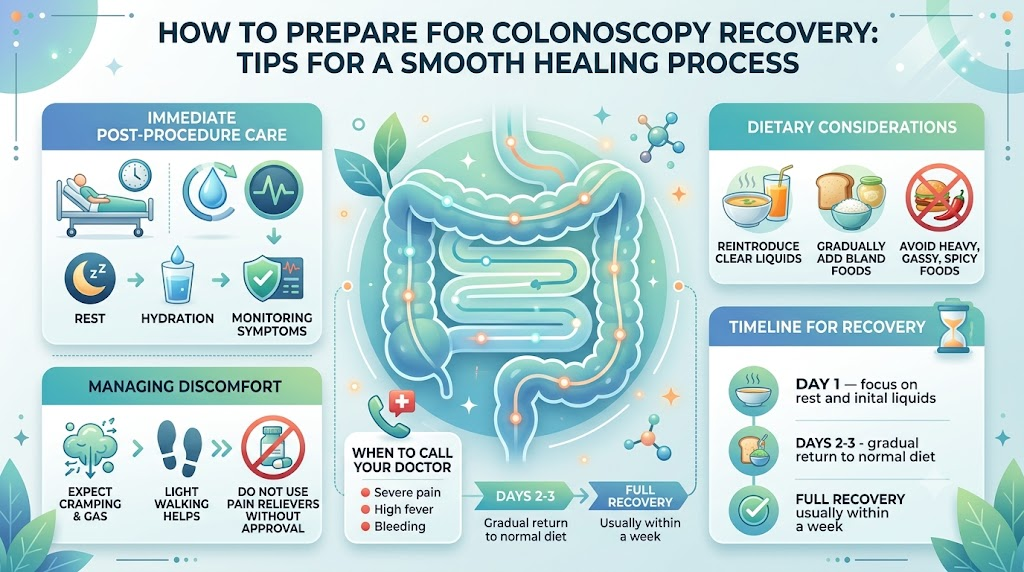
A colonoscopy is a test that helps a doctor check the inside of the large bowel, also called the colon. During the test, the doctor uses a thin, flexible tube with a small camera to look for changes such as swelling, bleeding, or polyps. A polyp is a small growth on the bowel lining.
Most people recover without major problems. However, you may feel bloated, pass gas, have mild cramps, or feel tired after the test. If you received sedation, you may also feel sleepy for several hours.
Knowing Gastrohospitals can help you feel more comfortable and avoid common risks. Your recovery may depend on the medicine used to help you relax, your general health, and whether the doctor took a tissue sample or removed a polyp.
Plan ahead by arranging a safe ride home, setting aside time to rest, preparing simple meals, and keeping your discharge instructions close by. It is also important to know which symptoms are common and which need urgent medical care.
Understand What Happens After a Colonoscopy
After your colonoscopy, you will usually rest in a recovery area while the healthcare team checks your breathing, blood pressure, heart rate, and level of alertness. Staff will make sure you are well enough to leave.
Your doctor may discuss the first findings with you before you go home. If a biopsy was taken or a polyp was removed, a laboratory may need to test the tissue before the final results are ready.
You will usually receive discharge instructions about food, fluids, medicines, activity, and follow-up care. Read these instructions before leaving and ask questions if anything is unclear.
Sedation can affect memory, so you may not remember every detail of the conversation. If possible, ask your escort to listen to the instructions with you. Keep a written copy for later.
A normal-looking colon does not always rule out every possible health problem. Your next steps depend on why the test was done and what the doctor found.
Arrange Safe Transportation and Help at Home
Planning your trip home is an important part of colonoscopy aftercare. If you receive sedation or anesthesia, you may feel awake but still have slower reactions and poor coordination.
Before your appointment:
- Arrange for a responsible adult to take you home if your endoscopy unit requires an escort.
- Check the facility’s transport rules before the day of your test.
- Do not plan to drive yourself home after sedation.
- Ask whether someone needs to stay with you at home.
- Keep your phone, discharge papers, and the unit’s contact number nearby.
- Avoid booking work meetings or other demanding tasks for the rest of the day.
For at least 24 hours after sedation, do not drive, operate machinery, drink alcohol, make important decisions, or sign legal documents. Follow any longer restriction given by your healthcare team.
The exact rules may depend on the medicine used and the facility’s policy. Feeling alert does not always mean the effects of sedation have fully worn off.
Rest and Return to Activities Gradually
Your body may need time to recover from the test, bowel preparation, and sedation. Try to keep the rest of the procedure day free from demanding tasks.
Here are some useful colonoscopy recovery tips:
- Rest at home and avoid strenuous chores.
- Get up slowly if you feel dizzy or weak.
- Take a short, gentle walk if you feel comfortable.
- Avoid heavy lifting and hard exercise until your healthcare team says it is safe.
- Return to your usual routine gradually.
- Follow any extra restrictions given after polyp removal or another treatment.
Many people return to their usual activities the next day, but recovery time varies. You may need more rest if you still feel tired or if your procedure involved treatment.
Do not use a general time limit to decide when to resume exercise or heavy lifting. Your symptoms, the procedure performed, and your discharge instructions should guide your choices.
Know What to Eat and Drink After Colonoscopy
Many patients can drink and eat after the procedure once they are fully alert and the healthcare team says it is safe. You may not need a special diet after a routine colonoscopy.
If your stomach feels unsettled, start with small amounts of permitted fluid and try a light meal. Soup, rice, toast, bananas, or plain cooked foods may be easier to manage if they suit your usual diet.
To support your recovery:
- Drink water and other permitted fluids as directed.
- Eat small portions if you feel full or mildly nauseated.
- Return to your usual diet as you feel ready, unless you were given other instructions.
- Follow any special diet advice from your doctor.
- Ask for guidance if you have a medical condition that affects what you can eat or drink.
Bowel preparation can cause fluid loss, so replacing fluids is important. However, people with conditions that require fluid limits should follow their clinician’s advice.
Do not fast longer than instructed or follow a restrictive diet without medical advice. The best diet after colonoscopy depends on your comfort, health needs, and the procedure performed.
Manage Gas, Bloating, and Mild Cramps
During a colonoscopy, the doctor may use air or gas to open the bowel and see the lining clearly. Some of this gas can cause bloating, fullness, or mild cramps after the test.
These symptoms often improve as gas passes. To feel more comfortable:
- Walk gently if you feel well enough.
- Allow gas to pass naturally.
- Rest in a comfortable position.
- Drink fluids as allowed by your discharge instructions.
- Follow the advice you received about pain relief.
Mild discomfort should gradually improve. Do not assume that strong or worsening pain is a normal side effect.
Contact your healthcare team if discomfort does not improve or seems unusual. Seek urgent medical assessment for severe or increasing abdominal pain, especially if it occurs with fever, vomiting, or a swollen abdomen.
Ask your doctor or pharmacist before taking pain medicine, particularly if a biopsy or polyp removal was performed or you take blood-thinning medicine. The safest choice may vary from person to person.
Understand Bowel Movements and Minor Bleeding
Bowel preparation empties much of the stool from your colon before the test. Because of this, your usual bowel pattern may take a little time to return.
Your first bowel movement may happen later than expected. You may also notice changes in stool pattern for a short time. These changes vary, so there is no single timetable that applies to everyone.
A small amount of bleeding can occur after some biopsies or polyp removals. Follow the instructions provided by your endoscopy team and report bleeding that concerns you.
Do not assume that all rectal bleeding is harmless. Heavy, repeated, or increasing bleeding needs urgent medical advice. Seek prompt assessment if you pass blood clots or notice black, tarry stools. Bleeding with weakness, dizziness, or fainting needs emergency attention.
If you are unsure whether the amount of bleeding is expected, contact the endoscopy unit rather than guessing.
Take Medicines Safely During Recovery
Your medicine plan may depend on your health, regular prescriptions, and whether the doctor took a biopsy or removed a polyp.
Before leaving the facility, confirm when to restart your usual medicines. This is especially important if you were asked to change your routine before the test.
Keep these points in mind:
- Follow the written instructions for restarting regular medicines.
- Ask when to restart blood thinners if your care team changed them.
- Confirm how to manage diabetes medicines if your meals or food intake change.
- Ask before using pain relievers or other over-the-counter products.
- Do not stop or restart a prescription based only on general online advice.
- Report a suspected medicine reaction to a healthcare professional.
Medicines such as anticoagulants, antiplatelet drugs, and insulin may need a plan suited to your needs. There is no single restart time that is right for every patient.
If the instructions are unclear, call your doctor or endoscopy unit. Do not guess about the timing of a medicine that is important for your health.
Recover After a Biopsy or Polyp Removal
A biopsy means taking a small sample of tissue for testing. Polyp removal means taking a growth off the lining of the colon. These steps can happen during a colonoscopy when the doctor finds an area that needs closer study or removal.
Your care team may give extra instructions about activity, medicines, and signs to watch for. The chance of bleeding can depend on the size and location of a polyp and how it was removed.
Some patients may notice a small amount of blood after these procedures. However, heavy or increasing bleeding, severe pain, fever, or fainting should not be ignored.
A polyp is not automatically cancer. Laboratory testing may help the doctor learn what type of growth it was and whether further care is needed.
Your follow-up plan will depend on the findings and the type of procedure performed. Ask when results will be ready and whether another colonoscopy is recommended. Do not assume that every patient needs the same recovery period or follow-up schedule.
Recognize Warning Signs and Know When to Seek Help
Serious problems after a colonoscopy are uncommon, but it is important to recognize warning signs. Acting promptly can help you receive the right care.
Seek urgent medical assessment if you have:
- Severe or worsening abdominal pain.
- Heavy, repeated, or increasing rectal bleeding.
- Black, tarry stools, especially with weakness or dizziness.
- Fever or chills.
- Repeated vomiting or an inability to keep fluids down.
- A swollen abdomen with severe pain or difficulty passing gas.
- Fainting, severe weakness, or signs of significant dehydration.
Seek emergency care for severe pain, heavy bleeding, fainting, or other serious symptoms. For fever, persistent vomiting, or other concerning changes, contact your endoscopy unit or seek urgent medical advice promptly.
Do not wait for severe symptoms to pass on their own. If you cannot reach your care team and the symptoms are serious, use the emergency service available where you live.
Prepare Your Home Before the Procedure
A little planning can make the first day at home easier. Prepare the things you may need before you leave for the hospital or endoscopy unit.
Use this checklist:
- Keep water and other permitted drinks ready.
- Prepare simple meals that fit your discharge instructions.
- Arrange transport and any help you may need.
- Put your medicines and written instructions in one place.
- Save the endoscopy unit’s phone number.
- Choose loose, comfortable clothing.
- Keep the bathroom easy to reach.
- Leave work, heavy chores, and strenuous activities for another day.
Bowel preparation may cause frequent bowel movements before the procedure. Make sure you can reach a bathroom easily and drink fluids according to the preparation instructions.
Home preparation does not replace medical advice or a required escort. Follow the instructions from your endoscopy unit, even if they differ from general tips.
Table 1: Colonoscopy Recovery Checklist
| Recovery task | What to do | Why it matters |
|---|---|---|
| Transportation | Arrange a responsible adult to take you home when required | Sedation can affect judgment and coordination |
| Rest | Take it easy on the procedure day | Allows time for sedation effects to wear off |
| Fluids | Drink permitted fluids as directed | Helps replace fluid lost during bowel preparation |
| Food | Resume eating according to discharge instructions | Supports comfort and recovery |
| Medicines | Follow the clinician’s instructions for regular medicines | Helps reduce medication-related risks |
| Activity | Return to normal activities gradually | Prevents unsafe activity while recovering |
| Follow-up | Confirm how and when to receive results | Helps ensure findings are reviewed |
Plan Follow-Up and Understand Your Results
Before leaving, ask what the doctor found and whether a biopsy was taken or a polyp was removed. You should also know when and how the results will be shared.
If a tissue sample was sent to a laboratory, the final result may take longer than the initial discussion. The waiting time varies by facility and the type of test needed.
Make a note of your follow-up plan. Keep a copy of the procedure report and ask whether you need another colonoscopy. The timing of another test depends on the findings, your medical history, and your doctor’s advice.
If you do not receive results within the timeframe you were given, contact the healthcare team. Ask them to explain unfamiliar terms in plain language.
A biopsy does not automatically mean cancer, and a normal result does not remove the need for future screening when it is recommended. Follow the plan made for your health needs.
Table 2: Common Recovery Symptoms and Warning Signs
| Symptom or situation | What it may mean | Recommended action |
|---|---|---|
| Mild gas or bloating | Common temporary effect of the procedure | Walk gently and allow gas to pass if comfortable |
| Mild cramps that improve | May occur as gas passes | Rest and follow discharge instructions |
| Mild spotting after biopsy or polyp removal | Can occur after certain procedures | Follow the endoscopy team’s advice and monitor symptoms |
| Severe or worsening abdominal pain | Could indicate a complication | Seek urgent medical assessment |
| Heavy or increasing bleeding | May indicate significant bleeding | Seek emergency medical care |
| Fever or chills | May signal a complication | Contact the endoscopy unit or seek urgent medical advice |
| Repeated vomiting or fainting | May indicate a serious problem | Seek urgent or emergency care |
Symptoms should be judged by how severe they are and whether they are getting better or worse. Follow your own discharge instructions, and do not delay urgent care if you have serious warning signs.
Frequently Asked Questions About Colonoscopy Recovery
1. How long does it take to recover from a colonoscopy?
Many people feel ready to return to their usual routine the next day, but this can vary. Sedation may cause tiredness for several hours, while gas or mild cramps may take time to settle. Recovery can take longer after polyp removal or other treatment. Follow your discharge instructions and seek advice if symptoms worsen.
2. Can I eat normally after a colonoscopy?
Many patients can eat after they are fully alert and their healthcare team says it is safe. If your stomach feels unsettled, try a small, light meal first. Some people can return to their normal diet right away. Follow any special instructions given because of your health or the procedure performed.
3. How long should I rest after a colonoscopy?
Plan to take it easy for the rest of the procedure day, especially if you received sedation. Avoid demanding tasks and get up slowly if you feel dizzy. Many people resume normal daily activities the next day, but this is not right for everyone. Follow any extra activity limits given after treatment.
4. When can I drive after a colonoscopy?
If you received sedation, do not drive for at least 24 hours, or longer if your healthcare team tells you to. Sedation can affect reaction time and judgment even when you feel awake. Arrange a ride home before your appointment. Follow your facility’s escort rules and any instructions linked to the medicine you received.
5. Is bloating normal after a colonoscopy?
Yes, mild bloating and gas are common because air or gas may be used during the examination. Gentle walking and allowing gas to pass may help. The discomfort should improve rather than become more severe. Seek urgent medical assessment if you have severe or worsening abdominal pain, a very swollen abdomen, fever, or repeated vomiting.
6. Can I have a bowel movement later than usual after the procedure?
Yes. Bowel preparation empties much of the stool from your colon, so your usual pattern may take a little time to return. The timing varies from person to person. Follow your discharge instructions and drink fluids as allowed. Contact your healthcare team if you develop severe pain, vomiting, or other concerning symptoms.
7. Is a small amount of bleeding normal after a biopsy or polyp removal?
A small amount of bleeding can occur after some biopsies or polyp removals, but you should follow the instructions given by your endoscopy team. Heavy, repeated, or increasing bleeding is not something to ignore. Seek emergency care for heavy bleeding, clots with concerning symptoms, fainting, or bleeding with marked weakness or dizziness.
8. When can I restart my regular medicines after a colonoscopy?
The timing depends on the medicines you take and whether a biopsy or polyp removal was performed. Ask your healthcare team for a clear plan before leaving. This is especially important for blood thinners, antiplatelet medicines, and diabetes treatments. Do not stop or restart a prescribed medicine based only on general online advice.
9. What symptoms should I watch for after a colonoscopy?
Watch for severe or worsening abdominal pain, heavy bleeding, black stools, fever, chills, repeated vomiting, fainting, or severe weakness. These symptoms may need urgent assessment. Mild gas or cramps can occur, but symptoms that worsen should not be dismissed. Contact your endoscopy unit promptly for advice, and seek emergency care for serious symptoms.
10. When will I receive my colonoscopy or biopsy results?
Your doctor may explain the initial findings before you leave. If a biopsy or polyp was sent for laboratory testing, the final result may take longer. The timing varies by facility and the type of test. Ask when and how you will receive results, and contact the care team if they do not arrive within the stated timeframe.
Conclusion
A smooth recovery starts with a safe ride home, enough rest, fluids and food as directed, and careful use of medicines. Follow your discharge instructions and know which warning signs need urgent care. Recovery differs from person to person, so your endoscopy team’s advice should always take priority over general guidance.