Introduction
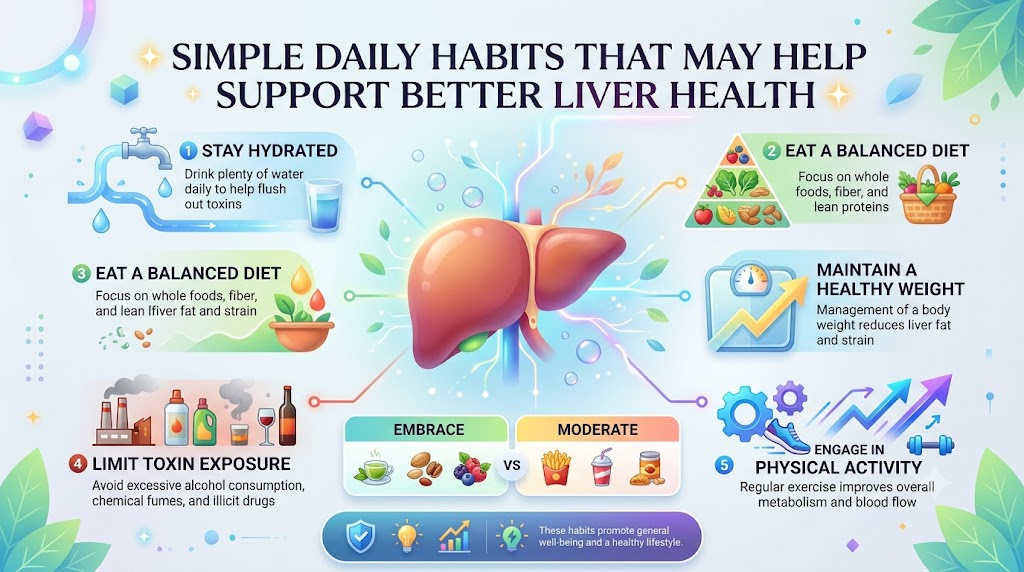
Fatty liver means extra fat builds up in liver cells. The liver normally holds a small amount of fat. Too much fat can become a health concern.Many people have fatty liver without clear symptoms. So, it may appear during a routine health check. Healthy habits can support liver health and overall wellness.The goal is not a quick cure. Safe lifestyle changes can support fatty liver management. Medical care may still be needed.Gastrohospitals helps readers explore liver and digestive health information. It also helps people explore hospitals and specialist care options.
What Is Fatty Liver?
The liver is a large organ in your body. It helps process nutrients and supports many body functions. It can also store some fat.
Fatty liver happens when too much fat builds up. This can happen for many different reasons. Some people have no signs at all.
You may also hear the term MASLD. It means metabolic dysfunction-associated steatotic liver disease. It is a newer name for a common type of fatty liver.The name may sound hard at first. It simply connects liver fat with metabolic health. Metabolic health includes blood sugar, weight, and blood fats.
Why Does Fatty Liver Happen?
Fatty liver can have several linked causes. These causes can also differ from person to person.Excess body weight can raise the risk. Insulin resistance can also play a role. This means the body does not use insulin well.Type 2 diabetes may increase the risk too. High cholesterol and triglycerides can also matter. Low activity may add to the risk.Eating patterns can affect liver health as well. Frequent sugary drinks may add extra sugar. Highly processed foods can also affect overall health.Alcohol can affect the liver too. Alcohol-related liver problems differ from MASLD. Your doctor can explain which condition may apply.Fatty liver is not a sign of personal failure. Many factors can affect liver health. A calm, steady approach can help.
Can Fatty Liver Be Managed Naturally?
The word “naturally” needs care here. It should mean healthy lifestyle support. It should not mean untested products or miracle cures.A healthy diet can support liver health. Regular movement can support metabolic health too. Good sleep also supports your body.Weight management may help some people. Blood sugar and cholesterol control can matter too. These steps work best as part of regular care.Natural methods are not a guaranteed cure. They should not replace medical advice or testing. Your care plan should match your health needs.
Eat a Balanced Diet for Better Liver Health
Food choices can support your liver and whole body. Focus on simple, balanced meals most days.
Fill more of your plate with vegetables. Choose whole fruits instead of sugary drinks. Whole grains can also fit into healthy meals.
Beans and pulses provide useful nutrients and protein. Lean protein can also be part of meals. Healthier unsaturated fats can fit in small amounts.Portion size matters too. Eating slowly may help you notice fullness. Try to avoid making one food the center of your plan.There is no single magic food for fatty liver. A healthy eating pattern matters more. Small changes can be easier to keep.
Foods to Limit for Fatty Liver
Some foods may be useful to limit. Sugary drinks are one important example. Sweetened juices can also add a lot of sugar.
Try to limit excess sweets and highly processed snacks. Fried foods may also contain unhealthy fats. Foods high in saturated fat may need limits.Foods with added sugar can add extra calories. Large portions can also make healthy eating harder. The full eating pattern matters most.You do not need to fear every food. Extreme food rules can make eating stressful. Aim for balance instead.
What Fruits Can You Eat With Fatty Liver?
Whole fruits can fit into a balanced diet. They provide fiber, vitamins, and other useful nutrients.
Whole fruit differs from sugary drinks. Whole fruit takes longer to eat. It also provides fiber that drinks may lack.
You do not need to remove all fruit. Choose different whole fruits across your meals. Keep portions suitable for your personal needs.People with diabetes may need more specific advice. A healthcare professional can help with personal food choices. Your health history always matters.
Exercise and Fatty Liver
Regular movement can support overall metabolic health. It may also support healthy weight management.
Walking is a simple place to start. Cycling and swimming are other useful options. Light strength exercises can also support fitness.Choose activities that match your health and fitness level. Start slowly if you are not active now. Then build a steady routine over time.You do not need a perfect workout. Consistency often matters more than doing too much. Your doctor can suggest safe activity when needed.
Weight Management and Liver Health
Excess body weight can be linked with fatty liver. Gradual weight management may help some people. It can also support blood sugar and heart health.Avoid crash diets and very strict food plans. Fast changes can be hard to maintain. They may also make healthy eating difficult.
Do not assume fasting works for everyone. Your health needs may differ from someone else’s. Ask a healthcare professional about suitable goals.
The goal is steady progress. Small changes can become lasting habits. Focus on health rather than quick results.
Blood Sugar, Cholesterol, and Liver Health
Metabolic health can affect liver health. Blood sugar is one important part of this picture. Insulin resistance can also affect the body.Cholesterol and triglycerides are important too. Blood pressure also matters for overall health. These areas often need regular medical checks.Follow your healthcare team’s treatment plan. Do not stop prescribed medicines on your own. Ask questions when you are unsure.Managing these health areas can support liver care. It can also lower other health risks. Your doctor can help set personal goals.
Alcohol and Fatty Liver
Alcohol can affect liver health. The effect depends on the person and liver condition. Your medical history also matters.
People with liver disease may need special advice. Ask a healthcare professional about alcohol use. Do not assume that small amounts are always safe.Alcohol is not a liver health treatment. It should never be promoted as a health benefit. Your doctor can explain safer choices for your condition.
Can Liver Detox Drinks or Supplements Help?
Many products claim to “clean” or “detox” the liver. These claims can sound attractive. However, natural does not always mean safe.The liver already performs important processing work. A special drink is not needed to “wash” it. Some herbal products may also harm the liver.Supplements can interact with medicines. Some products may contain unclear ingredients. Others may not have strong safety evidence.Do not use detox products as fatty liver treatment. Ask a healthcare professional before taking supplements. This is especially important with liver problems.
Sleep and Daily Habits for Liver Health
Healthy daily habits can support your whole body. Sleep is one important part of this routine. Try to keep a steady sleep schedule.
Regular activity can support daily health. Balanced meals can also help. Drinking enough water supports normal body functions.
Stress management may help you maintain healthy routines. Simple habits can include quiet breaks and relaxing activities. Avoiding tobacco can also support overall health.No single habit reverses fatty liver. Healthy liver habits work best together. Keep your routine simple and realistic.
What Medical Follow-Up May Include
Lifestyle changes do not remove the need for medical care. Your doctor may suggest follow-up checks. The exact plan depends on your health.
A visit may include a medical history review. Blood tests may also be part of follow-up. Liver-related tests may be checked when needed.
Some people may need imaging. Metabolic health checks may also be useful. A specialist review may be suggested in some cases.Do not try to read your test results alone. Your healthcare professional can explain your results. Follow-up helps keep your care on track.
When Should You See a Gastroenterologist?
A gastroenterologist is a doctor who treats digestive problems. Some also focus on liver conditions. This specialist can help assess liver concerns.You may need care after abnormal liver tests. Known fatty liver may also need medical review. Diabetes and other metabolic risks may matter too.See a doctor if symptoms continue or worsen. Ask for help if you have liver health concerns. Discuss supplements and diet changes before starting them.Gastrohospitals.com can help readers explore gastroenterology services. It can also help people learn about specialist care options.
Warning Signs That Need Medical Attention
Fatty liver may have few symptoms. However, some warning signs need medical attention. Do not ignore serious or unusual changes.Yellow skin or eyes can need prompt medical review. Significant abdominal swelling also needs medical attention. Vomiting blood is an emergency sign.Black or tar-like stools also need urgent care. Severe or worsening abdominal symptoms need assessment. Unusual confusion can also be a serious warning sign.Severe weakness or serious illness should not be ignored. Seek urgent medical help when serious symptoms appear. Do not wait for lifestyle changes to help.
Common Mistakes People Make When Managing Fatty Liver
Some people try extreme methods after learning about fatty liver. These methods can create more problems.
Common mistakes include crash diets and unproven detox products. Some people take herbal supplements without medical advice. Others remove all dietary fat or fruit.Another mistake is expecting one food to cure fatty liver. Some people also ignore abnormal liver tests. Stopping prescribed medicines without advice can be harmful.Try to avoid blame and extreme rules. Focus on safe steps you can maintain. Ask questions when medical advice feels unclear.
Healthy Habits and Their Role in Liver Care
| Healthy Habit | How It May Support Liver Health | What to Remember |
|---|---|---|
| Balanced diet | Supports healthy nutrition | Focus on overall food choices |
| Regular activity | Supports metabolic health | Choose safe activities |
| Weight management | May reduce liver fat for some people | Aim for gradual changes |
| Good sleep | Supports overall health | Build a steady sleep routine |
| Medical follow-up | Helps track liver health | Follow professional advice |
Hypothetical Example
An adult learns about fatty liver during a routine check. The person chooses gradual food changes.
They add regular walking to their routine. They also work with their healthcare team on metabolic health.They avoid unproven detox drinks and supplements. They continue their recommended medical follow-up. They do not assume lifestyle changes provide a cure.This example is not a real patient story. It shows how simple habits may fit daily life. Personal care should always match individual health needs.
How Gastrohospitals.com Can Help
Gastrohospitals.com provides educational information about digestive health. Readers can explore topics related to liver health. They can also learn about gastroenterology care.The platform can help readers explore gastroenterology hospitals. It can also help people explore gastroenterologists and hepatology services.Readers can learn about treatment information and specialist care options. This information can help people prepare for healthcare discussions.Gastrohospitals.com does not diagnose patients. It does not replace a gastroenterologist or hepatologist. Medical decisions should come from qualified healthcare professionals.
Frequently Asked Questions About Managing Fatty Liver Naturally
Can fatty liver improve naturally?
Healthy lifestyle changes may help some people. However, they are not a guaranteed cure. Medical follow-up can still be important.
What foods are good for fatty liver?
Vegetables, whole fruits, whole grains, and beans can fit well. Lean proteins and healthier fats can also fit.
Which foods should I limit with fatty liver?
Limit sugary drinks, excess sweets, and highly processed foods. Fried foods may also need to be limited.
Can exercise help with fatty liver?
Regular activity can support metabolic health. Walking, swimming, and cycling are simple options.
Can losing weight help fatty liver?
Gradual weight management may help some people. Avoid crash diets and extreme weight-loss plans.
Are fruits safe to eat with fatty liver?
Whole fruits can fit into a balanced diet. You usually do not need to remove all fruit.
Are liver detox drinks safe?
Not every detox product is safe. Some supplements may harm the liver or interact with medicines.
Can alcohol affect fatty liver?
Alcohol can affect liver health. Ask your healthcare professional about alcohol and your condition.
When should I see a gastroenterologist for fatty liver?
See one for known fatty liver or abnormal liver tests. Specialist care may also help with ongoing concerns.
How can Gastrohospitals.com help with liver health information?
Gastrohospitals.com offers educational information about liver and digestive health. It can also help readers explore specialist care options.
Final Thoughts
Managing fatty liver starts with simple health habits. Balanced meals can support better nutrition. Regular activity can support metabolic health.Gradual weight management may help some people. Good sleep and healthy routines also matter. Avoid unproven detox products and extreme diets.Fatty liver can connect with blood sugar and cholesterol. So, overall health deserves attention too. Medical follow-up remains an important part of care.Small steps can be easier to maintain. Focus on steady habits instead of quick fixes. Gastrohospitals.com can help readers explore liver health information and specialist care options.