Introduction
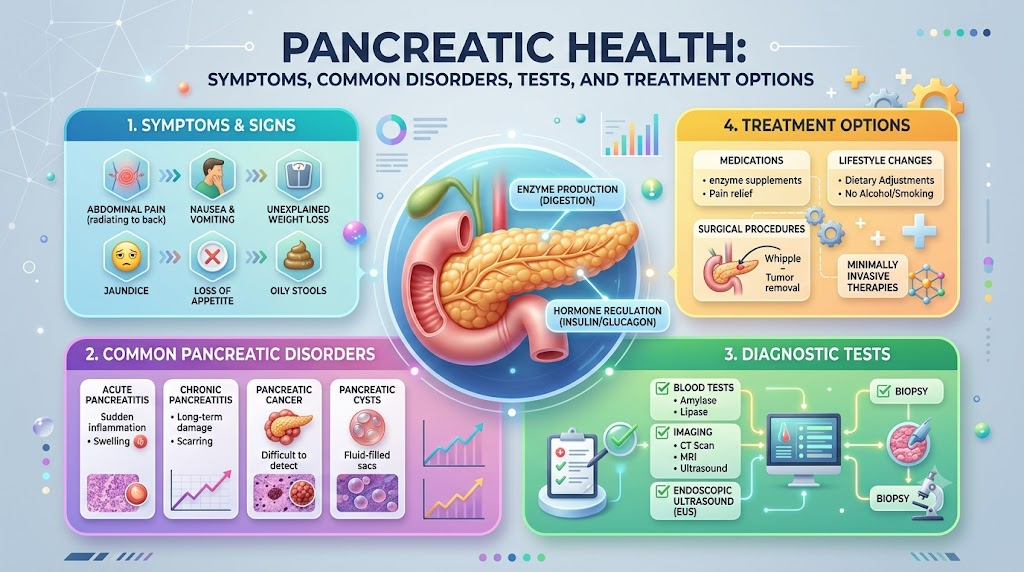
The pancreas is an organ that sits behind the stomach. It helps digest food and control blood sugar.It makes digestive enzymes that break food into smaller parts. It also makes insulin, which helps control blood sugar.Pancreatic disorders can affect digestion, blood sugar, or both. These problems can range from short-term inflammation to long-term disease.Common conditions include pancreatitis, pancreatic cysts, and enzyme problems. Some people may also develop serious pancreatic diseases.Symptoms can have many causes. So, proper medical testing is needed before finding the cause.GastroHospitals can help people learn about digestive and pancreatic care. A qualified healthcare professional should guide personal diagnosis and treatment.
What Does the Pancreas Do?
The pancreas has two main jobs. First, it helps the body digest food.It makes enzymes that break down fats, proteins, and carbohydrates. These enzymes travel into the small intestine during digestion.The pancreas also makes hormones. Insulin is one hormone that helps move sugar from the blood into body cells.Another hormone helps the liver release stored sugar when needed. So, the pancreas helps keep blood sugar within a healthy range.Problems with the pancreas can affect either job. Some conditions can affect both digestion and blood sugar.
Common Pancreatic Disorders
- Pancreatic disorders are not all the same. Each condition can have different causes, symptoms, and treatments.
- Acute pancreatitis is sudden inflammation of the pancreas. It can cause strong upper belly pain and may need hospital care.
- Chronic pancreatitis is long-lasting inflammation. It can slowly damage the pancreas and affect digestion.
- Pancreatic cysts are fluid-filled areas in or around the pancreas. Some need monitoring, while others need more testing.
- Exocrine pancreatic insufficiency means the pancreas does not make enough digestive enzymes. This can make food harder to digest.
- Pancreatic cancer is another pancreatic disease. It needs specialist testing and care.
- Other problems can affect pancreatic ducts or hormone function. Your doctor will choose tests based on your symptoms.
| Pancreatic Disorder | Simple Meaning | Possible Concern |
|---|---|---|
| Acute pancreatitis | Sudden pancreas inflammation | Pain and digestive problems |
| Chronic pancreatitis | Long-term pancreas inflammation | Lasting damage |
| Pancreatic cysts | Fluid-filled areas | Some need further testing |
| Enzyme insufficiency | Too few digestive enzymes | Trouble digesting food |
| Pancreatic cancer | Abnormal cell growth | Needs specialist care |
Pancreatitis: Acute and Chronic
Pancreatitis means inflammation of the pancreas. It can be sudden or long-lasting.Acute pancreatitis begins quickly. Some cases improve with treatment, but severe cases can become serious.Chronic pancreatitis lasts for a longer time. It can cause lasting damage and affect digestion.Gallstones are a common cause of acute pancreatitis. Heavy alcohol use can also cause some cases.
Other possible causes include certain medicines and genetic conditions. High blood fats and some blockages can also play a role.
Doctors may not always find one clear cause. The cause can also differ between patients.
Symptoms of Pancreatic Disorders
Pancreatic symptoms can vary widely. Some problems may cause strong symptoms, while others cause few symptoms.Upper abdominal pain is a common symptom. The pain may sometimes spread toward the back.Other possible symptoms include nauseaand vomiting. Fever and bloating can also occur with some pancreatic problems.Digestive enzyme problems may cause diarrhea. Greasy or foul-smelling stools can also occur.Unexplained weight loss may happen with some pancreatic conditions. Changes in blood sugar can also occur.These symptoms do not prove pancreatic disease. Many other health problems can cause similar symptoms.
What Causes Pancreatic Problems?
Pancreatic problems can have many causes. Gallstones can block normal flow and trigger inflammation.Alcohol use can increase the risk of some pancreatic conditions. Smoking can also harm pancreatic health.Some people have genetic conditions that affect the pancreas. Certain medicines may also cause pancreatic problems in rare cases.High triglycerides can raise the risk of pancreatitis. High calcium levels can also play a role.An abdominal injury may damage the pancreas. Blocked pancreatic ducts can cause problems with normal drainage.Some inherited diseases can also affect pancreatic function. In some cases, doctors may not find one clear cause.It is important not to blame yourself for pancreatic disease. Your healthcare team can help find possible causes and risk factors.
How Are Pancreatic Disorders Diagnosed?
- Doctors use several types of information to check the pancreas. They may start with your medical history and physical examination.
- Blood tests can show signs of inflammation or other changes. Amylase and lipase are enzymes often checked during suspected pancreatitis.
- Blood glucose testing checks sugar levels. Stool tests may help check how well the pancreas supports digestion.
- An abdominal ultrasound creates pictures of organs inside the belly. It may help doctors look for gallstones or other changes.
- A CT scan gives detailed pictures of the abdomen. It can help doctors examine the pancreas and nearby organs.
- MRI and MRCP create detailed images of the pancreas and its ducts. MRCP is a special MRI scan that shows certain body tubes.
- Endoscopic ultrasound uses a small camera and ultrasound device. It can create detailed pictures from inside the digestive system.
- ERCP is an endoscopic procedure that can examine and treat certain blocked ducts. Doctors use it only when appropriate.
- The exact tests depend on symptoms and suspected conditions. Your doctor decides which tests are needed.
Treatment Options for Pancreatic Disorders
Treatment depends on the specific pancreatic disorder. There is no single treatment for every pancreatic problem.Some cases of acute pancreatitis need hospital care. Treatment may include fluids, nutrition support, and pain management.Doctors also treat the cause when possible. For example, they may address gallstones or another blockage.Some people with enzyme problems need pancreatic enzyme replacement. These enzymes help the body digest food.Pancreatic disease can sometimes affect blood sugar. Some patients may then need diabetes care.Endoscopic procedures can treat certain blockages or fluid collections. Some pancreatic problems may also need surgery.Treatment choices depend on the condition and overall health. Your healthcare team will explain suitable options.
Diet and Lifestyle for Pancreatic Health
A balanced diet can support overall digestive health. However, people with pancreatic disease may need special nutrition advice.Follow the diet plan given by your healthcare team. Your needs may change depending on your pancreatic condition.
Drink enough fluids unless your doctor gives different advice. Staying hydrated supports many normal body functions.
Avoid alcohol when your healthcare team advises it. Avoiding smoking is also important for overall health.Regular activity can support general health when it is safe. Managing blood sugar may also matter for some patients.Keep your medical appointments and follow your treatment plan. Do not rely on detox drinks or unproven pancreas cleanses.Supplements should not replace proper medical care. Ask your healthcare professional before taking new supplements.
When Pancreatic Problems Need Urgent Care
Some pancreatic symptoms need urgent medical attention. Severe or worsening upper abdominal pain should not be ignored.
Persistent vomiting can cause dehydration and needs medical assessment. Fever or chills may also signal a serious problem.A fast heartbeat can occur with serious illness. Shortness of breath also needs prompt medical attention.Yellow skin or eyes may indicate a problem with bile flow. Severe weakness can also be a warning sign.Seek urgent care when serious symptoms appear suddenly. Do not delay care while waiting for symptoms to improve.
Living With a Long-Term Pancreatic Disorder
Some pancreatic conditions need long-term monitoring. Regular medical visits can help track symptoms and body changes.
People with enzyme problems may need prescribed enzyme treatment. Blood sugar checks may also be needed in some cases.
Nutrition support can help when digestion is affected. Your healthcare team can suggest food choices based on your needs.
Avoid smoking and alcohol when advised by your care team. These changes may form part of long-term pancreatic care.
Tell your doctor about new or worsening symptoms. Early review can help your care team decide what to do next.
Choosing a Hospital for Pancreatic Care
Choosing a hospital involves more than looking at one service. Patients can check whether the hospital has experienced gastroenterologists.It can also help to ask about diagnostic testing. Imaging services can support the evaluation of many pancreatic problems.Some patients may need endoscopy or ERCP. Ask whether these services are available when medically needed.
Complex cases may need pancreatic surgery support. Nutrition and diabetes care may also be useful for some patients.
Emergency services can matter when symptoms become severe. Clear communication and follow-up care are also important.
Ask how the hospital explains test results and treatment choices. Good communication can help patients feel more prepared.
GastroHospitals.com can help people research digestive and pancreatic care options. Patients should choose care based on their own medical needs.
Frequently Asked Questions About Pancreatic Disorders
1. What is a pancreatic disorder?
A pancreatic disorder affects the pancreas. It may affect digestion, blood sugar, or both.
2. What does the pancreas do?
The pancreas helps digest food and control blood sugar. It makes digestive enzymes and hormones such as insulin.
3. What are the common symptoms of pancreatic problems?
Symptoms may include upper belly pain, nausea, vomiting, and bloating. Some conditions can also cause weight loss or stool changes.
4. What is pancreatitis?
Pancreatitis means inflammation of the pancreas. It can be acute or chronic.
5. What is the difference between acute and chronic pancreatitis?
Acute pancreatitis starts suddenly. Chronic pancreatitis lasts longer and can cause lasting pancreatic damage.
6. How are pancreatic disorders diagnosed?
Doctors may use medical history, an examination, blood tests, and imaging. The tests depend on the suspected condition.
7. What tests are used to check the pancreas?
Tests may include blood tests, ultrasound, CT, MRI, MRCP, and endoscopic ultrasound. ERCP may help with certain duct problems.
8. How are pancreatic disorders treated?
Treatment depends on the condition. Options may include hospital care, nutrition support, medicines, procedures, or surgery.
9. Can pancreatic problems affect digestion and blood sugar?
Yes, some pancreatic diseases can affect both. The pancreas supports digestion and helps control blood sugar.
10. When should someone seek urgent medical care for pancreatic symptoms?
Seek urgent care for severe pain, repeated vomiting, fever, breathing problems, jaundice, or sudden worsening symptoms.
Final Thoughts
Pancreatic disorders can affect digestion, blood sugar, or both. Common problems include pancreatitis, cysts, enzyme problems, and other pancreatic diseases.Symptoms can have many causes, so testing is important. Doctors may use blood tests, scans, and other checks to understand the problem.Treatment depends on the specific condition and your health. Good follow-up care can also support long-term health.Speak with a qualified healthcare professional about ongoing or concerning symptoms. GastroHospitals.com can help people learn more about pancreatic and digestive care.