Introduction
The liver plays many important roles in a child’s body. It helps process nutrients, makes bile, stores some nutrients, and supports normal body functions. Pediatric liver disorders can affect babies, children, or teenagers. These disorders can have many different causes. Some may need short-term care. Others may need long-term follow-up. Parents may notice signs such as yellow skin, dark urine, poor growth, or tiredness. These signs can have many causes. They do not confirm liver disease by themselves. Families can use Gastrohospitals to explore information about digestive and liver care. A qualified pediatric doctor should assess any ongoing or concerning symptoms.
What Does the Liver Do?
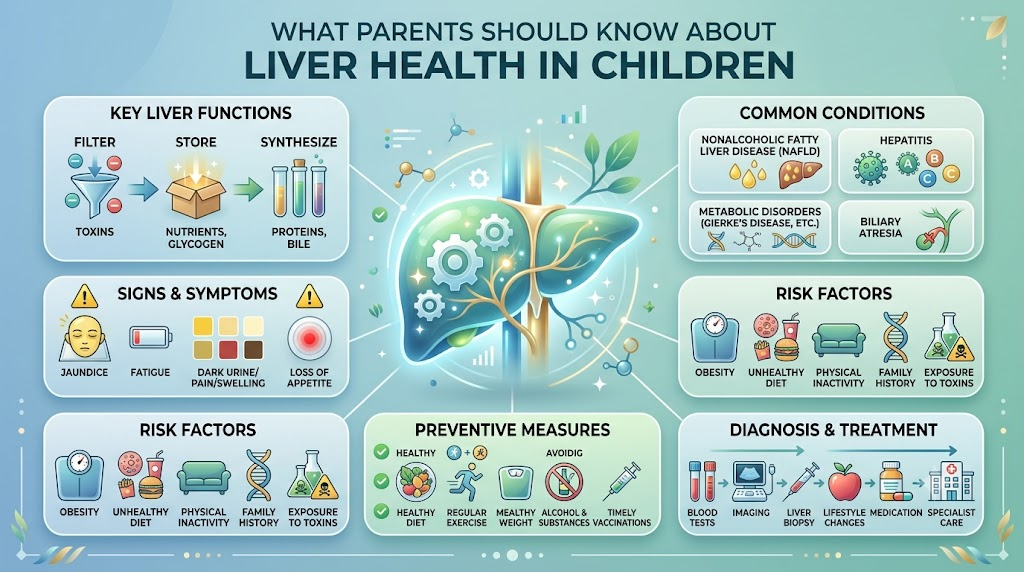
The liver is a large organ inside the body. It performs many jobs every day. It helps the body process nutrients from food. It also makes bile, which helps with digestion.The liver stores some nutrients for later use. It also helps process medicines and other substances. The liver makes important proteins that support normal body functions. Because of these jobs, children’s liver health is important for healthy growth and development.
What Are Pediatric Liver Disorders?
Pediatric liver disorders are conditions that affect the liver. They can occur in babies, children, or teenagers. Some liver conditions may be temporary. Others may need regular medical monitoring.Pediatric liver disease can have many causes. These include infections, genetic conditions, immune problems, and bile flow problems. Some conditions can also affect how the body handles fats or other nutrients.Each liver disorder can affect a child differently. A doctor must review the child’s health history and symptoms. Symptoms alone cannot confirm a liver condition.
Common Pediatric Liver Disorders
There are many types of pediatric liver conditions. Viral hepatitis can cause liver inflammation. Fatty liver disease involves extra fat in the liver. Autoimmune hepatitis happens when the immune system affects the liver.Other conditions include cholestatic disorders and biliary atresia. Wilson disease is an inherited condition that affects copper handling. Genetic and metabolic liver disorders can also affect children.These conditions are not the same. They can have different signs and causes. A pediatric liver specialist can help assess a child when needed.
Liver Disorders in Babies
Baby liver problems may appear during infancy. Some signs can include prolonged jaundice, yellow eyes, or yellow skin. Parents may also notice dark urine or very pale stools.Poor feeding or poor growth can also need medical attention. These signs can happen for many reasons. They do not prove that a baby has liver disease.Persistent pale stools in an infant deserve medical assessment. Parents should discuss concerning changes with a qualified pediatric doctor. Early assessment can help doctors understand the possible cause.
Liver Disorders in Older Children
Older children may show different signs. Some may have ongoing tiredness or poor appetite. Others may have nausea or abdominal discomfort.Yellow skin or eyes can also occur. Some children may have itching or poor growth. Swelling can happen with certain serious conditions.Changes in urine or stool color may also matter. However, symptoms alone cannot identify a liver disorder. A healthcare professional can decide what evaluation may be needed.
Jaundice in Children
Jaundice causes the skin or eyes to look yellow. It happens when a substance called bilirubin builds up in the body. Jaundice can have many different causes.Jaundice in newborns can differ from jaundice in older children. Some newborn jaundice can have common causes. Other cases may need medical assessment.Parents should not assume the cause from appearance alone. Persistent or concerning jaundice should be discussed with a qualified healthcare professional.
Pale Stools and Dark Urine
Stool and urine changes can sometimes provide useful health clues. Very pale or clay-colored stools may need medical attention. Dark urine can also occur with some health conditions.Yellow eyes or skin may appear at the same time. These signs can have different causes. They should not be used to diagnose liver disease at home.Persistent pale stools in infants deserve prompt medical assessment. A doctor can review the child’s history and other signs. This helps guide appropriate evaluation.
Causes of Pediatric Liver Disorders
Pediatric liver disorders can have many causes. Infections can affect liver health. Genetic and inherited conditions can also play a role.Immune system problems may cause liver inflammation. Metabolic conditions can also affect how the liver works. Bile flow problems can affect infants and older children.Certain medicines or substances can affect the liver too. Nutrition-related factors may also matter in some conditions. The cause must be assessed by a qualified healthcare professional.
Pediatric Fatty Liver Disease
Fatty liver means extra fat has built up in the liver. In children, it may be linked with metabolic health. Some children may have few clear symptoms.Professional evaluation can help assess possible liver concerns. Doctors may also look at the child’s overall health and growth. Follow-up needs can differ between children.Parents should avoid crash diets or strict food plans. Growing children have changing nutrition needs. A qualified healthcare professional can provide appropriate guidance when needed.
Hepatitis in Children
Hepatitis means inflammation of the liver. It can have several causes. Viral hepatitis is one possible cause.Autoimmune hepatitis is another cause. Medicine-related liver injury can also occur. Other health conditions may affect the liver as well.Different causes need different medical approaches. Parents should not assume the cause from symptoms. A qualified doctor can assess the child and explain the findings.
Cholestasis and Bile Flow Problems
Cholestasis means that bile flow is reduced or abnormal. Bile helps the body digest and process certain fats. Problems with bile flow can affect liver health.Jaundice may occur with bile flow problems. Pale stools and dark urine may also appear. Itching can occur in some cases.These signs do not confirm cholestasis. A doctor may need to perform an appropriate medical evaluation. This is especially important when symptoms continue or worsen.
Genetic and Inherited Liver Disorders
Some liver disorders can run in families. These are called inherited or genetic liver disorders. They can affect how the liver handles certain substances.Wilson disease is one example. Some inherited metabolic conditions can also affect liver function. Symptoms can vary widely between children.Family health history can be useful during a medical visit. Parents should share known family health information with the doctor. A healthcare professional can decide what evaluation may be appropriate.
How Doctors Evaluate Liver Problems in Children
Doctors begin with the child’s medical history. They may also ask about family history and symptoms. A physical examination may be part of the evaluation.Blood tests may help doctors check liver function. Doctors may also order liver tests when needed. Imaging can provide additional information about the liver.Ultrasound is one type of liver imaging. Other tests may be used in selected cases. A liver biopsy may sometimes be considered for certain conditions.The exact evaluation depends on the child’s health history. Parents should not interpret test results without professional guidance.
Simple Comparison of Common Liver Concerns
| Liver Concern | Simple Meaning | Possible Sign |
|---|---|---|
| Hepatitis | Liver inflammation | Tiredness or jaundice |
| Fatty Liver | Extra fat in the liver | Often few clear symptoms |
| Cholestasis | Reduced bile flow | Pale stools or jaundice |
| Biliary Atresia | A bile duct disorder in infants | Persistent jaundice |
| Genetic Liver Disorder | A liver problem linked to genes | Symptoms vary |
Role of a Pediatric Gastroenterologist
A pediatric gastroenterologist cares for digestive problems in children. These specialists can also evaluate many liver-related concerns.They care for infants, children, and teenagers. Their training focuses on conditions affecting the digestive system. Liver problems can be part of this area of care.Not every child with liver symptoms needs this specialist. A general pediatrician may first assess the child. The pediatrician can then decide if specialist care is needed.
Role of a Pediatric Hepatologist
A pediatric hepatologist focuses on liver-related conditions in children. These specialists may care for complex pediatric liver disorders.Some children may receive care from both gastroenterology and hepatology teams. Other children may only need routine pediatric care.The right specialist depends on the child’s condition. A healthcare professional can help families understand which type of care may be suitable.
How Pediatric Liver Disorders Are Managed
Management depends on the cause and severity of the condition. Some children may need regular monitoring. Others may need nutrition support or prescribed medicines.Doctors may also treat the underlying cause. Certain conditions may need procedures or surgery. Severe liver disease may lead to transplant evaluation.Treatment choices are different for each condition. Parents should not create a treatment plan from general information. A qualified pediatric team should guide medical care.
Nutrition and Liver Health in Children
Nutrition is important for growing children. Some children with liver disorders may have special nutrition needs. Balanced nutrition can support normal growth and overall health.Some children may also need professional nutrition support. Hydration can be important as part of general child health. However, needs can differ between children.Parents should not start supplements without medical advice. They should also avoid strict diets for a child without professional guidance. A healthcare team can explain appropriate nutrition needs.
Follow-Up and Long-Term Care
Some pediatric liver conditions need regular follow-up. Follow-up may include medical visits and growth checks. Doctors may also order repeat liver tests when needed.Imaging may be used for some conditions. Treatment plans may also change as a child grows. Family questions can be discussed during follow-up visits.Follow-up needs vary by condition. Some children may need long-term specialist care. Others may need less frequent monitoring.
When Parents Should Contact a Doctor
Persistent or concerning symptoms deserve professional assessment. Parents should contact a doctor when symptoms continue or affect normal activities.Possible concerns include persistent jaundice, repeated vomiting, or poor growth. Ongoing tiredness, itching, or abdominal swelling may also need assessment.Very pale stools and dark urine can also be concerning. Unexplained weight changes may need medical review. These signs do not identify a specific liver disorder.
Emergency Warning Signs
Some symptoms need urgent medical assessment. These can include severe abdominal swelling or severe abdominal pain. Vomiting blood or black or bloody stools also need urgent attention.Severe confusion, fainting, or difficulty breathing are also warning signs. Rapidly worsening yellowing can be concerning. Unusual severe sleepiness may also need urgent assessment.Parents should seek urgent medical care when severe symptoms occur. They should not rely on online information during a medical emergency.
How to Choose Pediatric Liver Care
Families may review several factors when choosing pediatric liver care. These can include pediatric gastroenterology and hepatology services. Qualified specialists can also be important.Families may also look for pediatric imaging and laboratory support. Multidisciplinary care can help when several health needs are involved. Nutrition support may also be useful for some children.Emergency services and follow-up systems can matter too. Clear family communication is also important. Families should avoid choosing a hospital only because it claims to be the best.
How GastroHospitals.com Can Help
GastroHospitals.com can help families research gastroenterology hospitals and digestive health specialists. It can also help families explore liver-related care and educational information.The platform includes information related to liver care, hepatology, and digestive health. Families can use this information when researching possible care options.GastroHospitals.com is a healthcare discovery resource. It does not replace medical advice from a qualified professional. Families should discuss symptoms and care decisions with an appropriate pediatric healthcare team.
Practical Example
Hypothetical example: A parent notices that a child’s eyes remain yellow. The parent also notices darker urine than usual.
Instead of guessing the cause, the parent contacts a qualified pediatric doctor. The doctor reviews the child’s health history and decides what evaluation may be needed.This example shows why symptoms should not be used for self-diagnosis. Professional assessment can help identify the right next steps.
Frequently Asked Questions
1. What are pediatric liver disorders?
Pediatric liver disorders are conditions that affect the liver in babies, children, or teenagers. They can have many different causes and may need different types of care.
2. What does the liver do in a child?
The liver helps process nutrients, makes bile, stores some nutrients, and supports normal body functions. It also helps process certain medicines and substances.
3. What are common liver disorders in children?
Examples include hepatitis, fatty liver disease, cholestatic disorders, biliary atresia, Wilson disease, and inherited liver conditions. These conditions are not the same.
4. What are signs of liver problems in children?
Possible signs include jaundice, dark urine, pale stools, poor growth, tiredness, itching, or abdominal swelling. These signs can have many causes.
5. Can jaundice be a sign of a liver problem?
Yes, jaundice can occur with some liver conditions. However, jaundice has many possible causes. A healthcare professional should assess persistent or concerning jaundice.
6. What is pediatric fatty liver disease?
Pediatric fatty liver disease means extra fat has built up in the liver. It may be linked with metabolic health and can require professional evaluation.
7. Which doctor treats liver disorders in children?
A pediatrician may provide the first assessment. Some children may need a pediatric gastroenterologist or pediatric hepatologist.
8. What tests may doctors use to check a child’s liver?
Doctors may use medical history, physical exams, blood tests, liver tests, and imaging. Ultrasound is one possible imaging test. The exact evaluation varies.
9. When should parents seek medical help for liver symptoms?
Parents should seek medical advice for persistent or concerning symptoms. Urgent assessment may be needed for severe pain, bleeding, confusion, breathing problems, or rapidly worsening symptoms.
10. How can families find pediatric liver care?
Families can research qualified pediatric gastroenterology and hepatology services. GastroHospitals.com can also help families explore hospitals and specialists for digestive and liver care.
Final Thoughts
Pediatric liver disorders can have many causes. Some may affect babies, while others appear later in childhood. Symptoms can also vary widely.Signs such as jaundice, pale stools, dark urine, poor growth, or ongoing tiredness deserve attention when they persist. Symptoms alone cannot confirm a liver disorder.A qualified pediatric healthcare professional can assess the child’s health history and guide appropriate care. GastroHospitals.com can help families explore pediatric liver care options and learn more about digestive health.