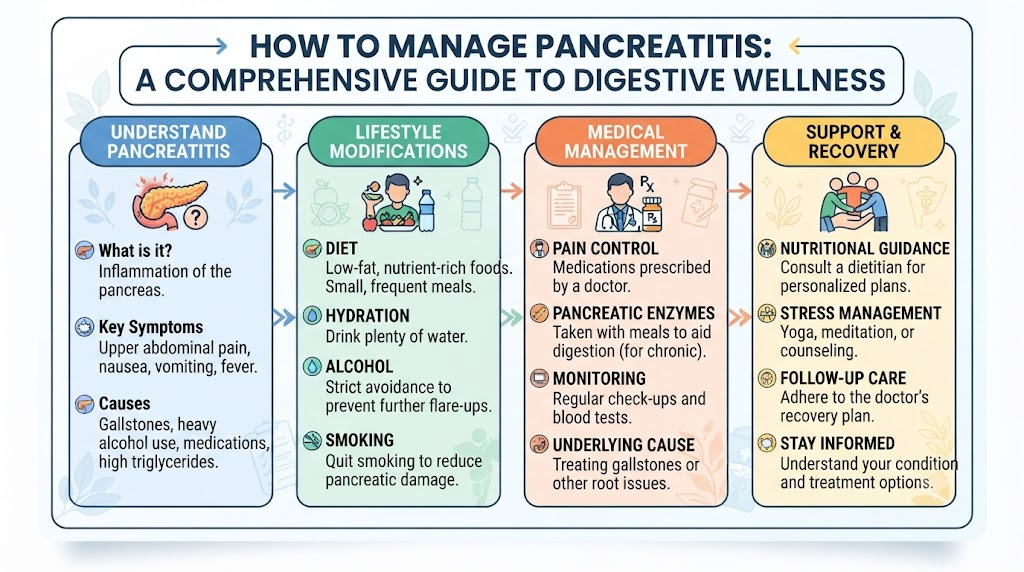
Introduction
The pancreas plays a vital, often understated role in our digestion and blood sugar regulation. When this small but mighty organ becomes inflamed—a condition known as pancreatitis—it can significantly impact your daily comfort and long-term health. Because the pancreas is so deeply involved in your digestive processes, recognizing the signs of inflammation and understanding the path to recovery is essential.At GASTROHOSPITALS, we are dedicated to providing reliable, evidence-based information to help you navigate your digestive health journey. In this guide, we will explore what pancreatitis is, the importance of professional medical care, and how you can manage your health to achieve a better quality of life.
What Is Pancreatitis?
Pancreatitis occurs when the digestive enzymes produced by the pancreas become active while still inside the organ, causing it to become inflamed and damaged. The pancreas is responsible for two major functions: producing enzymes that help digest food and creating hormones that regulate how your body processes sugar.When the pancreas is inflamed, it struggles to perform these tasks effectively, which can lead to digestive distress and systemic health issues. Pancreatitis is categorized into two main forms:
- Acute Pancreatitis: A sudden, often intense inflammation that can resolve with proper care.
- Chronic Pancreatitis: Persistent, long-term inflammation that results in permanent structural changes to the pancreas.
Protecting pancreatic function is crucial for preventing complications and ensuring your digestive system continues to work as it should.
Types of Pancreatitis
Understanding the type of pancreatitis you are dealing with is the first step toward effective management.
- Acute Pancreatitis: Often presents as a sudden, sharp pain in the abdomen. It requires prompt medical attention and, in most cases, supportive care in a hospital setting.
- Chronic Pancreatitis: Develops over time, often after years of repeated acute episodes or chronic irritation. It can lead to permanent damage and issues with nutrient absorption.
- Recurrent Pancreatitis: Characterized by repeated episodes of acute inflammation. The key here is identifying and removing the underlying trigger.
- Severe Pancreatitis: A serious medical emergency that may involve infection, tissue death (necrosis), or failure of other organ systems.
Common Causes of Pancreatitis
Pancreatitis can be triggered by several factors. Identifying the cause is often the most critical step in preventing future attacks.
- Gallstones: Small stones in the gallbladder can block the pancreatic duct, causing enzymes to back up.
- Alcohol Consumption: Long-term, heavy alcohol use is a leading cause of chronic pancreatitis.
- High Triglycerides: Elevated levels of certain fats in the blood can trigger inflammation.
- Medications: Certain drugs can act as irritants to the pancreas.
- Genetic Conditions: Some individuals are born with a predisposition to pancreatic issues.
- Autoimmune Factors: In some cases, the body’s immune system mistakenly attacks the pancreas.
Types of Pancreatitis Comparison
| Type | Characteristics | Typical Management |
| Acute | Sudden inflammation | Hospital evaluation, fluids, rest |
| Chronic | Long-term damage | Medical management, diet, follow-ups |
| Recurrent | Repeated episodes | Identify/remove underlying trigger |
| Severe | Multi-organ risk | Specialized intensive hospital care |
Common Symptoms
The symptoms of pancreatitis can be intense and often require immediate medical evaluation.
- Abdominal Pain: Usually severe, located in the upper abdomen, and often radiating through to the back.
- Digestive Distress: Nausea, vomiting, and a tender, swollen abdomen are very common.
- Fever: Often associated with the inflammation response.
- Changes in Stool: In chronic cases, stools may become oily, foul-smelling, or float (due to poor fat digestion).
- General Malaise: Unexplained fatigue, weight loss, and loss of appetite.
How Pancreatitis Is Diagnosed
Diagnosis requires a clinical approach, as symptoms can sometimes mimic other digestive issues. A specialist will typically use a combination of:
- Medical History: A review of your lifestyle, diet, and past health.
- Blood Tests: Checking for elevated levels of digestive enzymes (amylase and lipase).
- Imaging: CT scans, MRIs, or abdominal ultrasounds to visualize the pancreas and look for gallstones.
- Endoscopic Ultrasound: An advanced test using a thin, flexible tube to get highly detailed images of the pancreas.
Treatment Options
There is no single “cure” for pancreatitis; management depends on the cause and severity.
- Hospital Care: Often necessary for acute attacks to provide intravenous fluids, pain management, and bowel rest.
- Addressing the Cause: This may include gallbladder removal (if stones are the cause), medication adjustments, or lifestyle changes.
- Nutritional Support: Ensuring the body gets proper nutrients while the pancreas rests.
- Procedures and Surgery: In cases of chronic damage or severe complications, surgeons or interventional gastroenterologists may be needed to drain pseudocysts or clear blockages.
Dietary Tips for Managing Pancreatitis
Diet is perhaps the most important tool you have for long-term management. A pancreas-friendly diet is designed to reduce the workload on the organ.
- Low Fat is Key: High-fat meals force the pancreas to produce more enzymes, which can trigger pain.
- Small, Frequent Meals: Smaller portions are easier for your digestive system to handle.
- Hydration: Water is essential for recovery.
- Fiber and Nutrients: Lean proteins, whole grains, and plenty of fruits and vegetables help maintain nutrition without fat stress.
- Professional Guidance: Working with a dietitian is highly recommended to create a plan that prevents malnutrition.
Foods to Choose vs Foods to Limit
| Foods to Choose | Foods to Limit |
| Fruits and vegetables | Fried, greasy foods |
| Whole grains | High-fat meats |
| Lean proteins | Full-fat dairy products |
| Low-fat dairy | Sugary, carbonated beverages |
| Water and herbal teas | Alcohol |
Lifestyle Changes That Support Recovery
Recovery doesn’t end when you leave the hospital. Long-term health requires ongoing commitment:
- Avoid Alcohol: For many, this is the most critical step in preventing recurrence.
- Stop Smoking: Smoking is known to accelerate pancreatic damage.
- Weight Management: Keeping a healthy weight reduces metabolic stress on the body.
- Diabetes Monitoring: Because the pancreas manages blood sugar, pancreatitis can lead to diabetes. Routine checks are important.
- Stress Management: Stress can exacerbate digestive issues.
Possible Complications
If managed poorly, pancreatitis can lead to significant health hurdles, including:
- Nutritional Deficiencies: Inability to absorb vitamins and nutrients.
- Chronic Pain: Ongoing discomfort that impacts quality of life.
- Diabetes: Due to damage to the insulin-producing cells.
- Infection/Pseudocysts: Fluid collections or infections that may require surgical drainage.
Common Myths vs Facts
| Myth | Fact |
| Pancreatitis always comes from alcohol. | Many factors, including gallstones and metabolism, are common causes. |
| Mild pain doesn’t need a doctor. | All abdominal pain of this nature warrants a medical assessment. |
| Diet alone cures pancreatitis. | Diet is a management tool; medical treatment is still required. |
| Once you’re out of the hospital, you’re fine. | Chronic pancreatitis requires lifelong follow-up and management. |
Common Mistakes Patients Make
- Ignoring Warning Signs: Trying to “tough out” abdominal pain can lead to severe complications.
- Returning to Old Habits: Resuming alcohol or high-fat diets too soon often triggers a recurrence.
- Skipping Follow-Ups: Regular monitoring is essential to detect early signs of insufficiency or other issues.
- Self-Diagnosing: Attempting to treat intense abdominal pain with over-the-counter medication instead of seeking care.
Solution: Always be honest with your healthcare provider about your symptoms and lifestyle habits.
Real-Life Educational Scenarios
- Gallstone Management: A patient suffers an acute attack. Imaging finds gallstones. By following through with a recommended gallbladder removal, the patient prevents future pancreatitis episodes.
- Long-Term Chronic Management: A patient diagnosed with chronic pancreatitis works with a dietitian to master a low-fat, nutrient-rich diet, allowing them to remain symptom-free for years.
- Early Recovery: An individual recognizes the symptoms of acute pancreatitis early, goes to the hospital immediately, and receives fluids and care, preventing severe organ damage.
FAQs
- What is pancreatitis?
Inflammation of the pancreas, which disrupts digestive and hormonal functions. - What causes it?
Gallstones, alcohol use, high triglycerides, and certain medications. - Early symptoms?
Sharp upper abdominal pain, nausea, and vomiting. - Acute vs. Chronic?
Acute is sudden and intense; chronic is persistent and causes long-term structural changes. - Foods to avoid?
High-fat, fried, and greasy foods, plus alcohol. - Can it be serious?
Yes, it can lead to organ failure if not treated. - How is it diagnosed?
Blood tests, CT/MRI, and ultrasounds. - What treatments are available?
Hospital care (fluids/rest), diet changes, and sometimes surgery. - Can it return?
Yes, if the underlying cause (like gallstones) remains unaddressed. - Does it link to diabetes?
Yes, because the pancreas regulates blood sugar. - Lifestyle changes?
Yes—quitting smoking and alcohol is critical. - When to go to the ER?
For severe, persistent abdominal pain. - Recovery time?
Varies, but acute cases can take weeks; chronic management is lifelong. - How to protect?
Maintain a healthy weight and diet, and address gallstones promptly. - When to see a specialist?
Consult a gastroenterologist for any recurring abdominal issues.
Final Thoughts
Managing pancreatitis requires a partnership between you and your healthcare team. While the diagnosis can feel overwhelming, understanding your body’s needs—and responding to them with a healthy diet and medical vigilance—can make a world of difference. Your pancreas works hard every day; by following these management strategies, you can help it function more effectively.For more information and to find resources on digestive health, visit GASTROHOSPITALS. We encourage you to work closely with your gastroenterologist to create a personalized plan that supports your long-term health and wellbeing.