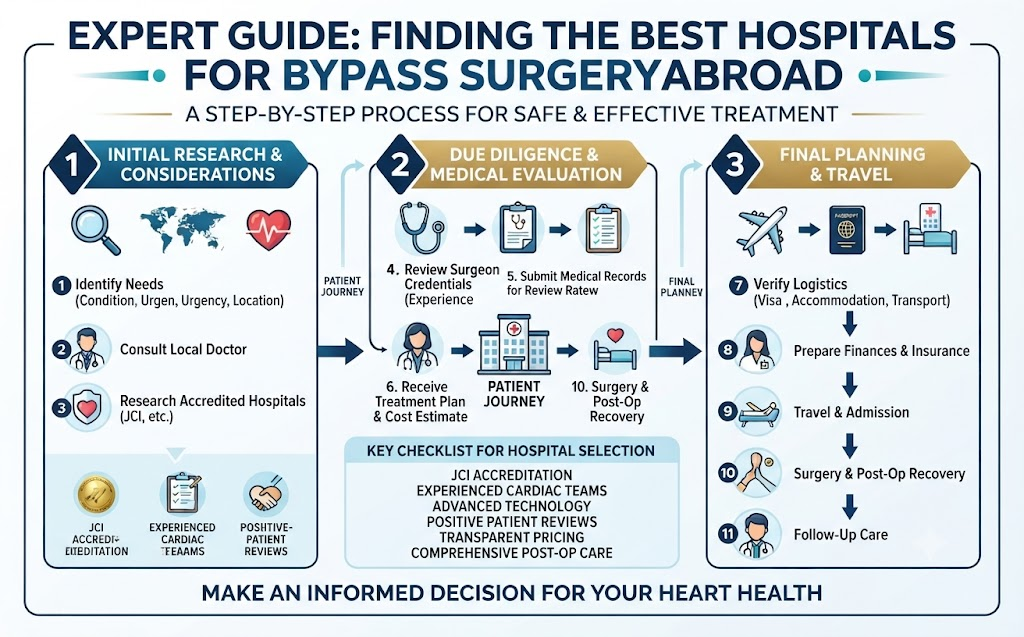
Facing a complex cardiovascular care decision can feel overwhelming for patients and caregivers alike. When diagnosed with severe heart disease, selecting the right medical institution is the single most critical step toward a successful recovery. The global healthcare landscape offers numerous options, ranging from local clinics to elite specialized centers.Finding the best cardiac hospitals requires balancing multiple vital factors, including clinical accreditation, technological infrastructure, and specialist experience. This comprehensive guide helps families evaluate treatment facilities, demystify global clinical standards, and analyze crucial healthcare data. By structuring your research effectively, you can transform a stressful medical journey into a well-coordinated plan for optimal health.
Why Choosing the Right Cardiac Hospital Matters
Selecting a premier healthcare facility directly impacts patient safety and long-term clinical survival rates. Cardiovascular interventions demand pinpoint precision, sophisticated diagnostic cardiology systems, and highly responsive emergency cardiac care infrastructure. Top-tier medical centers maintain lower rates of post-surgical complications, shorter hospital stays, and superior long-term survival rates.
Furthermore, advanced institutions invest heavily in cutting-edge research and modern technology. Patients accessing these facilities benefit from advanced diagnostic tools, such as high-resolution echocardiograms and detailed cardiac MRI scans. This specialized environment ensures that complex diagnoses are addressed with modern therapeutic approaches rather than outdated methods.
Key Factors to Compare Hospitals
Clinical Accreditations and Quality Standards
When evaluating the best heart hospitals in the world, international accreditations serve as a fundamental benchmark. Organizations like the Joint Commission International (JCI) rigorously audit facilities for patient safety, clinical protocols, and hygiene. Nationally, bodies like the NABH establish strict quality control measures that hospitals must maintain.
Specialized Infrastructure and Intensive Care
A premium facility must feature state-of-the-art infrastructure designed specifically for advanced cardiovascular treatments. Look for dedicated cardiac catheterization laboratories (cath labs), highly specialized cardiothoracic operating theaters, and advanced cardiothoracic ICU setups. The presence of immediate emergency infrastructure ensures that complications can be managed instantly without transferring the patient.
Types of Cardiac Treatments and Procedures
Modern cardiology encompasses a wide range of medical and surgical interventions tailored to specific conditions. Understanding the differences between these procedures helps patients prepare effectively for their upcoming treatments.
Coronary Artery Bypass Grafting (CABG)
Commonly referred to as bypass surgery, CABG is an intensive surgical procedure used to treat severe coronary artery disease. Surgeons graft a healthy blood vessel from another part of the body to bypass a blocked artery, restoring proper blood flow. It is often performed at specialized centers recognized as the best hospitals for bypass surgery.
Percutaneous Coronary Intervention (Angioplasty)
Angioplasty is a minimally invasive procedure designed to open clogged heart arteries. A cardiologist inserts a small balloon catheter to widen the blocked vessel and typically deploys a stent to keep it open. Patients look for the best hospitals for angioplasty to ensure access to modern, low-risk catheterization labs.
Advanced Surgical Variations
Modern cardiovascular medicine has evolved to include minimally invasive heart surgery and complex valve replacement procedures. These advanced surgical strategies offer patients smaller incisions, reduced post-operative pain, and significantly faster recovery times compared to traditional open chest techniques.
Clinical Comparison: Bypass Surgery vs. Angioplasty
| Features | Bypass Surgery (CABG) | Angioplasty (PCI) |
| Advantages | Long-term durability; treats multiple blocked arteries effectively. | Minimally invasive; rapid recovery; requires no large chest incisions. |
| Limitations | Invasive open surgery; requires longer recovery; higher initial stress. | Potential for future re-blockage; less ideal for complex multi-vessel disease. |
| Suitable Patients | Individuals with severe, multi-vessel coronary artery disease. | Patients with localized, accessible single or double vessel blockages. |
| Cost Considerations | Higher overall cost due to ICU stays and extended rehabilitation. | Lower initial cost; shorter hospital stays reduce total expenses. |
Treatment Cost Considerations Globally
Cardiovascular procedures represent a significant financial undertaking for families. The total expense depends heavily on geographic location, the specific surgical approach utilized, and the length of the required hospital stay.
While Western countries offer exceptional care, the financial burden can be prohibitive for uninsured or self-paying individuals. Consequently, many look toward alternative global destinations that deliver equivalent clinical outcomes at a fraction of the cost.
Cost Breakdown: Heart Surgery in India vs. Other Countries
| Features | Cardiac Care in India | Cardiac Care in Western Nations |
| Advantages | Exceptionally cost-effective; highly experienced English-speaking doctors. | Proximity for local residents; deeply familiar healthcare ecosystems. |
| Limitations | Involves international travel, visa planning, and long flights. | Extremely high out-of-pocket costs; potential long waiting lists. |
| Suitable Patients | International self-paying patients and medical tourists. | Insured domestic patients prioritizing local treatment access. |
| Cost Considerations | Up to 70-80% lower total costs compared to Western institutions. | Maximum premium pricing for procedures, accommodation, and care. |
Medical Tourism for Heart Surgery in India
India has emerged as an exceptional global hub for advanced cardiovascular treatments, drawing thousands of international patients annually. The country blends world-class clinical talent with highly competitive financial options, making it a premier choice for complex surgeries.
Exceptional Surgical Expertise
The best cardiac hospitals in India feature elite departments led by the best cardiac surgeons in India. Many of these specialists have trained extensively in premier Western medical institutions, accumulating vast experience in high-volume surgical environments. Their profound practical knowledge translates directly into high success rates for intricate procedures.
Advanced International Patient Care
Top-tier facilities offer specialized international patient services designed to eliminate the stress of cross-border medical travel. These programs provide dedicated case managers, medical visa documentation assistance, language interpreters, and seamless airport transfers. This comprehensive support allows patients to focus entirely on their healing and recovery.
Strategic Evaluation: Medical Tourism vs. Local Treatment
| Features | Medical Tourism Route | Local Treatment Route |
| Advantages | Massive cost reductions; zero waiting periods for vital surgery. | Immediate family proximity; no travel-related physical fatigue. |
| Limitations | Requires significant travel; temporary separation from home support. | Financial strain if uninsured; potential delays due to waitlists. |
| Suitable Patients | Individuals seeking high-quality care at manageable price points. | Patients requiring immediate emergency care who cannot travel. |
| Cost Considerations | Economical package pricing covering travel and surgery. | High out-of-pocket expenses for specialized procedures. |
Expert Tips for Selecting Cardiac Care
Navigating options across the best cardiology hospitals requires a structured, analytical approach. Use these expert recommendations to protect patient safety:
- Verify Surgeon Volume: Always ask about the specific surgeon’s annual volume for your required procedure. High-volume surgeons typically achieve superior clinical outcomes.
- Investigate ICU Support: Ensure the facility maintains a dedicated cardiothoracic ICU staffed 24/7 by specialized cardiac intensivists.
- Secure a Second Medical Opinion: Before committing to major interventions like open-heart surgery, obtain an independent second medical opinion to validate the treatment path.
- Assess Language Compatibility: Confirm that the hospital’s nursing staff and medical coordinates speak your language fluently to prevent critical communication errors.
Actionable Best Practices for Patients
A well-prepared patient experiences a smoother therapeutic journey and a lower risk of unexpected complications. Implement these essential best practices:
- Compile Complete Medical Records: Organize all recent ECGs, echocardiograms, blood reports, and coronary angiograms into an easily accessible digital folder.
- Request Transparent Quotes: Demand comprehensive financial estimates that outline room rents, surgeon fees, operating theater costs, and implant pricing.
- Plan Post-Operative Recovery: Arrange for specialized local home care or rehabilitation services before checking into the hospital for surgery.
- Confirm Travel Clearances: If traveling internationally, obtain formal clearance from a cardiologist stating that the patient is stable enough to fly.
Common Mistakes to Avoid
- Relying Solely on Branding: Do not select a hospital based entirely on general reputation. A facility renowned for oncology might not have the best heart surgery hospitals infrastructure.
- Ignoring Post-Op Care: Patients frequently focus heavily on the surgery itself while forgetting to budget for essential long-term recovery and follow-up care.
- Conflating Low Cost with Low Quality: Lower pricing in medical tourism destinations like India reflects local economic structures and lower operational costs, not inferior medical standards.
Why Use BestCardiacHospitals.com
Navigating global healthcare options independently can feel overwhelming. BestCardiacHospitals.com simplifies this complex process by acting as an independent, transparent educational resource. The platform allows patients and families to evaluate top-tier institutions objectively.
By detailing clinical accreditations, explaining specific procedure details, and clarifying regional pricing variations, the platform replaces confusion with clarity. It empowers users to compare elite medical centers, investigate leading specialists, and understand international patient services, ensuring every decision is backed by solid research.
Frequently Asked Questions
1. Which are considered the best heart hospitals in the world?
The best heart hospitals in the world are those holding elite international accreditations like JCI. These institutions feature dedicated cardiac catheterization labs, specialized cardiothoracic ICUs, advanced diagnostic cardiology systems, and highly experienced teams of cardiovascular care specialists.
2. Why should I consider the best cardiac hospitals in India for treatment?
The best cardiac hospitals in India provide world-class cardiovascular treatments at a fraction of Western costs. These facilities feature cutting-edge medical technologies, strict patient safety measures, and medical teams led by globally trained specialists.
3. What is the average heart surgery cost in India?
The heart surgery cost in India is significantly lower than in Western nations, often saving patients 70% to 80% on expenses. Total costs vary based on the procedure, chosen facility, room tier, and length of ICU stay.
4. How do I identify the best cardiac surgeons in India?
The best cardiac surgeons in India possess advanced medical degrees, board certifications, and extensive clinical experience. Look for specialists who have published peer-reviewed research and have successfully performed thousands of complex surgeries.
5. What makes a hospital one of the best hospitals for bypass surgery?
The best hospitals for bypass surgery maintain low complication rates, high long-term success records, and dedicated cardiothoracic surgical suites. They employ highly specialized teams capable of performing both traditional and off-pump bypass procedures.
6. What should I look for in the best hospitals for angioplasty?
The best hospitals for angioplasty feature advanced digital cath labs, 24/7 emergency cardiac care teams, and highly experienced interventional cardiologists. They must possess immediate backup surgical teams in case unexpected complications arise during the procedure.
7. Is medical tourism for heart surgery in India safe for international patients?
Yes, medical tourism for heart surgery in India is safe when using accredited hospitals. Top centers feature specialized international patient divisions that manage everything from medical visas and airport transfers to tailored post-operative recovery plans.
8. What is the difference between a cardiologist and a cardiac surgeon?
A cardiologist focuses on diagnosing heart disease, managing conditions medically, and performing minimally invasive procedures like angioplasty. A cardiac surgeon performs invasive open surgeries, such as bypass operations and heart valve replacements.
9. Why is hospital accreditation like JCI or NABH important?
Accreditations from JCI or NABH ensure that a hospital adheres to rigid global standards for patient safety, clinical quality, hygiene, and operational efficiency. It provides an unbiased validation of a facility’s medical care standards.
10. Can I get a second medical opinion through BestCardiacHospitals.com?
BestCardiacHospitals.com serves as an educational informational platform that allows you to research and compare elite hospitals and top heart specialists globally. This makes it easier to find qualified experts for an independent second opinion.
11. What is minimally invasive heart surgery?
Minimally invasive heart surgery involves performing cardiac procedures through small incisions between the ribs rather than cutting through the breastbone. This approach results in less pain, shorter hospital stays, and faster overall recovery.
12. How long is the recovery period after bypass surgery?
Recovery after traditional bypass surgery usually involves 5 to 7 days in the hospital, followed by 6 to 8 weeks of healing at home. The timeline depends heavily on the patient’s general health and adherence to rehabilitation.
13. What diagnostic tools are essential for evaluating heart disease?
Essential diagnostic cardiology tools include the electrocardiogram (ECG) to track electrical rhythms, the echocardiogram to image heart structures via ultrasound, and coronary angiograms to map out precise vessel blockages.
14. What common mistakes should I avoid when choosing a global hospital?
Avoid selecting a facility based solely on its general brand name or low pricing. Always verify the hospital’s specific track record in cardiology, check its accreditations, and confirm the surgeon’s experience with your exact procedure.
15. How does BestCardiacHospitals.com help patients make informed decisions?
BestCardiacHospitals.com compiles objective information regarding global cardiac centers, treatment costs, and medical procedures. This independent data allows patients to compare options systematically, helping them select the right facility for their needs.
Conclusion
Selecting the right facility for cardiovascular care is a vital decision that requires careful, balanced research. By focusing on international clinical accreditations, analyzing surgeon experience, and reviewing transparent cost structures, you protect your health and peace of mind. Whether you are navigating local options or exploring medical tourism opportunities, prioritizing objective clinical data ensures superior outcomes. Taking a methodical approach to evaluating hospitals empowers you to secure the highest standard of treatment, paving the way for a smooth and successful recovery.