Introduction
The liver is one of the most resilient, hardworking, and essential organs in the human body. Located in the upper right side of your abdomen, it functions as your body’s primary chemical processing plant, performing hundreds of vital tasks every single day. From filtering harmful toxins out of your bloodstream and metabolizing medications to storing essential vitamins and producing bile for digestion, your overall well-being is deeply connected to your liver’s health. When the liver is healthy, your metabolic processes run smoothly, your energy levels remain steady, and your systemic defense systems function at their peak.This detailed, patient-focused guide is designed to provide you with a clear and thorough foundation in Understanding Fatty Liver Disease. We will break down the underlying biological processes, explore the different stages and modern classifications of the condition, and discuss evidence-based strategies for maintaining a healthy liver.As you read through this guide, online educational resources such as GASTROHOSPITALS can support your health journey by connecting you with reliable medical information, preventive wellness education, and expert care.
What Is Fatty Liver Disease?
At its core, fatty liver disease—scientifically classified under the umbrella of Steatotic Liver Disease (SLD)—is a condition characterized by the accumulation of excess fat within the cells of the liver. While it is normal for the liver to contain a very small amount of fat, problems arise when fat makes up a significant percentage of the organ’s total weight.
The Vital Role of Your Liver
To understand how fatty liver disease develops, it is helpful to look at what a healthy liver does. The liver acts as a gatekeeper between the digestive tract and the rest of the body. It processes everything you eat, drink, and absorb, converting nutrients into usable energy and clearing out metabolic waste products. It also regulates blood sugar levels by storing glucose as glycogen, manages blood clotting factors, and synthesizes cholesterol and essential proteins.
How Fat Accumulates in Liver Cells
Under normal conditions, the liver balances the import and synthesis of fatty acids with their breakdown and export. However, when the body is consistently overloaded with excess calories, simple sugars (especially fructose), and unhealthy fats, this balance can be disrupted.
[ Excess Dietary Sugars & Fats ] ──► [ Overwhelmed Liver Processing ]
                                             │
                                             ▼
 [ Healthy Liver Cells ] ◄── [ Triglyceride Accumulation ] ──► [ Cell Swelling ]
The liver begins to convert these excess nutrients into triglycerides, storing them inside individual liver cells (hepatocytes). Over time, these fat droplets accumulate, causing the liver cells to swell and disrupting their normal structure.
Healthy Liver Fat vs. Excessive Accumulation
In a healthy liver, fat accounts for less than 5% of the organ’s overall weight. When the fat content exceeds this threshold, the condition is classified as steatosis (fatty liver). While simple fat accumulation may not immediately impair liver function, it can leave liver cells vulnerable to oxidative stress, cellular injury, and localized inflammation, which can trigger more progressive forms of liver disease if left unmanaged.
Types of Fatty Liver Disease
In recent years, global hepatology organizations updated the medical terminology for fatty liver disease to more accurately reflect its underlying causes and reduce stigma. The condition is now formally referred to as Steatotic Liver Disease (SLD), which includes several distinct types based on metabolic and lifestyle factors.
Metabolic Dysfunction-Associated Steatotic Liver Disease (MASLD)
MASLD (formerly known as Nonalcoholic Fatty Liver Disease, or NAFLD) is the most common form of fatty liver disease. It is diagnosed when a patient has fat accumulation in the liver alongside at least one cardiometabolic risk factor, such as obesity, type 2 diabetes, high blood pressure, or abnormal cholesterol levels, in the absence of heavy alcohol use. MASLD is closely linked to insulin resistance, where the body’s cells do not respond effectively to insulin, causing the liver to produce and store excess fat.
Metabolic Dysfunction-Associated Steatohepatitis (MASH)
MASH (formerly known as Nonalcoholic Steatohepatitis, or NASH) represents a more progressive, inflammatory stage of MASLD. In MASH, the excess fat stored in the liver cells triggers chronic inflammation and cellular damage (a process called hepatocyte ballooning). This persistent inflammation can cause the liver to form scar tissue (fibrosis). While simple MASLD is generally stable, MASH is a more active condition that requires close medical monitoring to prevent long-term damage.
Alcohol-Associated Liver Disease (ALD)
ALD develops as a direct result of chronic, heavy alcohol consumption. The liver is responsible for breaking down alcohol, but this process generates highly reactive chemical byproducts that can damage liver cells, increase fat synthesis, and impair the liver’s ability to burn fat. ALD can progress from simple alcohol-associated steatosis to alcoholic hepatitis (acute inflammation) and, eventually, irreversible scarring.
                  [ Pathways of Steatotic Liver Disease (SLD) ]
                                       │
       ┌───────────────────────────────┴───────────────────────────────┐
       ▼                                                               ▼
[ Metabolic Factors (MASLD) ]                               [ Excess Alcohol (ALD) ]
├── Driven by insulin resistance                            ├── Driven by alcohol metabolism
├── Tied to obesity & diabetes                              ├── High reactive byproducts
└── Can progress to MASH inflammation                       └── Can progress to alcoholic hepatitis
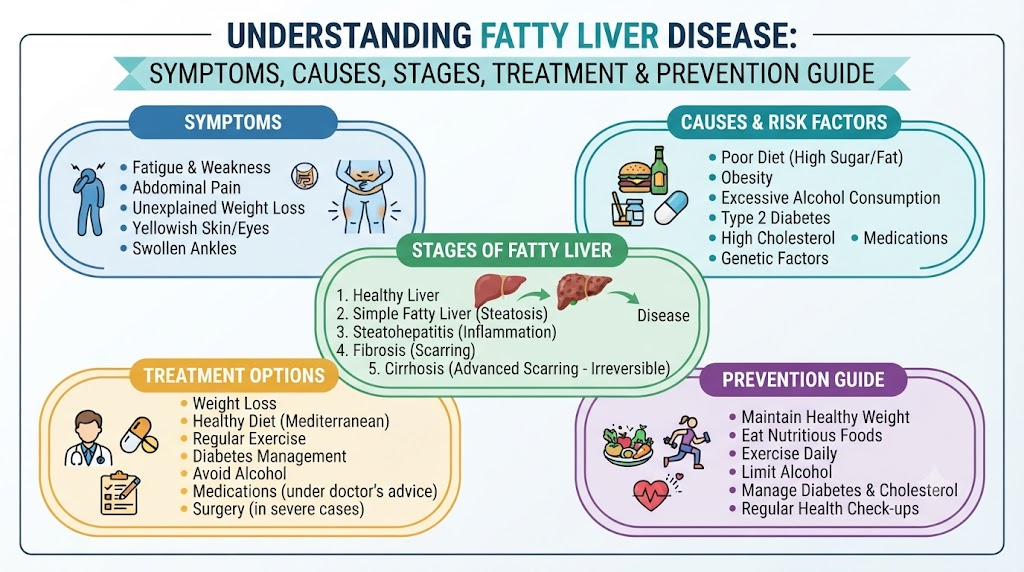
Stages of Fatty Liver Disease
Fatty liver disease is typically a progressive condition that develops slowly over several years or decades. Understanding the different stages can help emphasize the value of early detection and lifestyle changes.
 [ Stage 1: Simple Steatosis ] ──► [ Stage 2: Steatohepatitis (MASH) ]
                                                │
                                                ▼
     [ Stage 4: Cirrhosis ]   ◄── [ Stage 3: Fibrosis (Scarring) ]
Stage 1: Simple Fatty Liver (Steatosis)
This is the earliest, most common stage of the disease, where excess fat accumulates within the liver cells without causing active inflammation or cellular damage. Simple steatosis is often a quiet, stable condition that does not cause noticeable symptoms and is frequently discovered during routine medical tests for other health issues.
Stage 2: Liver Inflammation (MASH)
At this stage, the accumulation of fat begins to trigger chronic inflammation and cellular injury within the liver. The immune system responds to this cellular stress by sending inflammatory cells to the area, which can damage the surrounding healthy liver tissue. This stage requires careful management, as persistent inflammation can lead to the formation of permanent scar tissue.
Stage 3: Fibrosis
As a result of ongoing inflammation, the liver attempts to heal itself by producing collagen and other structural proteins. Over time, this process leads to the development of scar tissue (fibrosis) within the liver. While the liver can still function relatively well at this stage, the growing network of scar tissue can gradually restrict blood flow through the organ, slowly reducing its overall efficiency.
Stage 4: Cirrhosis
Cirrhosis is the most advanced, serious stage of chronic liver disease, occurring after years of continuous inflammation and scarring. At this stage, the soft, healthy liver tissue is largely replaced by tough, nodular scar tissue, which severely distorts the liver’s structure and impairs its ability to function. Cirrhosis can lead to serious complications, including portal hypertension, liver failure, and an increased risk of liver cancer.
Fatty Liver Disease Comparison Table
| Stage of Disease | What Happens in the Liver | Clinical Presentation | Potential Outcome & Reversibility |
| Simple Steatosis (Fatty Liver) | Excess fat builds up in liver cells; no significant inflammation or cellular damage. | Usually silent; no symptoms; often found during routine blood work or ultrasounds. | Highly reversible through dietary improvements, exercise, and weight management. |
| Steatohepatitis (MASH) | Fat accumulation is accompanied by active inflammation and liver cell injury. | Usually silent, though some patients may experience mild fatigue or right-sided abdominal discomfort. | Reversible or manageable with structured lifestyle changes and metabolic control. |
| Fibrosis (Scarring) | Persistent inflammation leads to the gradual buildup of scar tissue within the liver. | Typically silent, but liver function may begin to show subtle declines on clinical assessments. | Further progression can be slowed or halted; early scar tissue may gradually improve over time. |
| Cirrhosis | Extensive, irreversible scarring distorts the liver’s structure and restricts blood flow. | May cause fatigue, fluid retention, jaundice, easy bruising, and confusion. | Irreversible scarring; treatment focuses on managing symptoms and preventing liver failure. |
Common Symptoms of Fatty Liver Disease
One of the most challenging aspects of fatty liver disease is its quiet nature, especially in the early stages. Because the liver does not contain pain receptors in its deep tissues, significant fat accumulation can occur without causing any physical discomfort.
The Silent Early Stages
Most people with simple steatosis or early-stage MASLD do not experience any symptoms. They feel completely healthy, and the condition is typically discovered incidentally during routine physical exams, standard blood tests showing elevated liver enzymes, or imaging scans performed for other reasons.
Mild and Non-Specific Symptoms
As the condition progresses toward MASH or early fibrosis, some patients may begin to notice mild, non-specific symptoms:
- Persistent Fatigue: A feeling of deep, ongoing tiredness or low energy that does not improve with rest.
- Abdominal Discomfort: A vague, dull ache or feeling of fullness in the upper right side of the abdomen, where the liver is located.
- General Weakness: A subtle decrease in physical strength or stamina during daily activities.
                      [ Progression of Symptoms ]
                                   │
         ┌─────────────────────────┴─────────────────────────┐
         ▼                                                   ▼
[ Early / Intermediate ]                            [ Advanced / Cirrhosis ]
├── Often entirely silent                           ├── Marked abdominal swelling (ascites)
├── Mild, generalized fatigue                       ├── Yellowing of skin/eyes (jaundice)
└── Vague right-sided fullness                      └── Mental confusion or lethargy
Advanced Symptoms (Cirrhosis)
When the liver develops advanced scarring (cirrhosis), its ability to process blood and perform vital functions declines, leading to more noticeable and serious symptoms:
- Unexplained Weight Loss: A sudden, unintended loss of weight and muscle mass.
- Fluid Retention (Edema and Ascites): Swelling in the ankles and legs, or a visible accumulation of fluid in the abdomen.
- Jaundice: A noticeable yellowing of the skin and the whites of the eyes, caused by a buildup of bilirubin in the blood.
- Easy Bruising and Bleeding: Due to the liver’s reduced ability to produce essential blood-clotting proteins.
- Mental Confusion (Hepatic Encephalopathy): Occurs when the liver can no longer filter toxins from the blood, allowing them to accumulate and affect brain function.
Common Causes and Risk Factors
Fatty liver disease is a complex, multi-systemic condition. It develops from a combination of metabolic influences, lifestyle choices, and genetic factors that affect how your body processes and stores energy.
Obesity and Weight Distribution
Obesity is one of the primary risk factors for MASLD. While overall body weight is important, how fat is distributed throughout your body plays an even larger role. Visceral fat—the fat stored deep inside your abdomen around your internal organs—is highly active metabolically. It constantly releases free fatty acids and inflammatory chemicals directly into the portal vein leading to the liver, promoting fat storage and cellular stress.
Insulin Resistance and Type 2 Diabetes
Insulin is the hormone responsible for helping your cells absorb glucose from your bloodstream for energy. In people with insulin resistance, the body’s cells do not respond properly to insulin. To compensate, the pancreas produces even more insulin. High insulin levels in the blood stimulate the liver to produce more triglycerides and reduce its ability to burn fat, creating a direct pathway for fat accumulation.
High Cholesterol and Triglycerides
Elevated levels of low-density lipoprotein (LDL) cholesterol and triglycerides in your blood, combined with low levels of high-density lipoprotein (HDL) cholesterol, can make it harder for your body to transport and clear fat, leading to increased storage within the liver.
Metabolic Syndrome
Metabolic syndrome is a cluster of closely related health conditions that significantly increases your risk of heart disease, diabetes, and fatty liver. It is diagnosed when a person has three or more of the following:
- Increased waist circumference (abdominal obesity).
- High blood pressure.
- Elevated fasting blood sugar.
- High blood triglycerides.
- Low HDL cholesterol levels.
                       [ Metabolic Syndrome Cluster ]
                                     │
         ┌───────────────────────────┼───────────────────────────┐
         ▼                           ▼                           ▼
[ Abdominal Obesity ]      [ High Fasting Glucose ]    [ Elevated Blood Pressure ]
Sedentary Lifestyle and Diet
A diet high in highly processed foods, refined carbohydrates, and sugar-sweetened beverages—especially those containing high-fructose corn syrup—provides the liver with an excess of rapid-release sugars that are easily converted into fat. This risk is further increased by a sedentary lifestyle, which reduces the body’s energy needs and limits its ability to burn stored fat.
Certain Medications and Medical Conditions
Some prescription medications, such as corticosteroids, certain cardiovascular drugs, or tamoxifen, can affect liver metabolism and contribute to fat accumulation. Additionally, underlying medical conditions like hypothyroidism, polycystic ovary syndrome (PCOS), or rapid weight loss can also increase the risk of fatty liver.
How Doctors Diagnose Fatty Liver Disease
Because early-stage fatty liver disease rarely causes noticeable symptoms, healthcare providers use a combination of detailed discussions, physical evaluations, blood tests, and advanced imaging to make an accurate diagnosis.
Comprehensive Medical History and Physical Exam
Your doctor will begin by discussing your overall health, daily habits, diet, alcohol use, and family medical history. During the physical exam, they will check your height, weight, waist circumference, and blood pressure, and gently examine your abdomen to check if your liver is enlarged.
Liver Function Tests (LFTs) and Blood Work
Standard blood tests are often the first clue that the liver needs attention. Your doctor will look at specific enzymes:
- Alanine Aminotransferase (ALT) and Aspartate Aminotransferase (AST): These enzymes live inside liver cells. When the liver is inflamed or damaged, these enzymes leak into the bloodstream, showing up as elevated levels on your blood test.
- Additional Blood Tests: Used to check blood sugar levels, insulin resistance (HbA1c), lipid panels (cholesterol and triglycerides), and rule out viral hepatitis or autoimmune liver conditions.
Non-Invasive Imaging Studies
- Abdominal Ultrasound: This is the most common imaging tool used to detect fatty liver. It uses sound waves to create images of your liver, showing excess fat as a bright, reflective area.
- Transient Elastography (FibroScan): A specialized, non-invasive ultrasound-based test that measures liver stiffness. It helps doctors estimate both the amount of fat in the liver and the presence of any scar tissue (fibrosis) quickly and comfortably in the office.
- CT and MRI Scans: Provide highly detailed, cross-sectional images of the liver to help assess fat distribution and rule out other structural issues.
[ Elevated ALT/AST Blood Test ] ──► [ Refer for Abdominal Ultrasound ] ──► [ Assess Fat (FibroScan) ]
                                                                                   │
                                                                                   ▼
[ Targeted Liver Care Plan ]   ◄── [ Histology Review (Rare Cases) ]   ◄─ [ Estimate Scar Tissue ]
Liver Biopsy
While non-invasive tests are highly accurate, a liver biopsy remains the most precise way to diagnose advanced stages of the disease. During this procedure, a doctor uses a thin needle to take a tiny sample of liver tissue for laboratory analysis. A biopsy is typically reserved for cases where there is uncertainty about the diagnosis, or to confirm the presence of MASH or advanced fibrosis.
Treatment Options
There is currently no single medication approved specifically to cure fatty liver disease. Instead, management focuses on addressing the root causes, supporting the liver’s natural ability to heal, and managing associated metabolic conditions.
Weight Management
For individuals carrying extra weight, gradual and sustainable weight loss is the cornerstone of managing MASLD. Research shows that losing 3% to 5% of your body weight can significantly reduce fat in the liver. Losing 7% to 10% can help reduce liver inflammation, cell injury, and even improve early-stage scar tissue. It is important to lose weight gradually (about 1 to 2 pounds per week), as extremely rapid weight loss can actually worsen fat accumulation and stress the liver.
Metabolic Health and Blood Sugar Control
Managing underlying metabolic conditions is essential for protecting your liver. Working closely with your healthcare team to keep your blood sugar levels within a healthy range, improve insulin sensitivity, and manage high blood pressure can significantly reduce the strain on your liver.
Cholesterol and Lipid Management
If you have high cholesterol or triglycerides, your doctor may recommend dietary changes, regular exercise, or medications (such as statins) to help balance your lipid levels. Statins are safe and highly effective for individuals with fatty liver disease who also have cardiovascular risk factors.
 [ Dietary Adjustments ] ──► [ Regular Physical Activity ] ──► [ Optimized Metabolic Markers ]
                                                                       │
                                                                       ▼
   [ Reduced Liver Stress ] ◄── [ Balanced Blood Sugar ] ◄── [ Healthy Cholesterol Levels ]
Avoiding Alcohol
For anyone with liver disease, reducing or completely avoiding alcohol is highly beneficial. For individuals diagnosed with Alcohol-Associated Liver Disease (ALD) or those with advanced scarring (cirrhosis), complete abstinence from alcohol is essential to prevent further liver damage and support recovery.
Medication Management
Your doctor will review your current medications to ensure none are contributing to liver stress. While several medications are being studied in clinical trials to help treat MASH and fibrosis, they are typically prescribed alongside essential dietary and lifestyle changes.
Lifestyle Changes That Support Liver Health
Making healthy, consistent daily choices is one of the most powerful ways to protect and support your liver’s natural recovery processes.
Focus on a Balanced, Nutrient-Dense Diet
Adopting a balanced eating pattern, such as the Mediterranean diet, can be highly beneficial for liver health. This diet emphasizes whole, unprocessed foods, including:
- Plenty of Vegetables and Fruits: Rich in essential vitamins, minerals, and protective antioxidants.
- Whole Grains: Such as oats, quinoa, brown rice, and whole wheat, which provide steady energy and dietary fiber.
- Healthy Fats: Sources of monounsaturated and polyunsaturated fats, such as olive oil, avocados, nuts, and seeds.
- Lean Proteins: Including poultry, fish, beans, and lentils, while limiting red and highly processed meats.
Limit Added Sugars and Refined Carbohydrates
Reducing your intake of added sugars—especially fructose, which is commonly found in sugar-sweetened sodas, juices, and processed snacks—is incredibly helpful. The liver processes fructose directly, and an excess can quickly be converted into fat. Limit white bread, pastries, and packaged snacks in favor of high-fiber alternatives.
 [ High Fructose & Processed Sugars ] ──► [ Direct Conversion to Liver Triglycerides ]
                                                             │
                                                             ▼
[ Sustained Energy & Fiber ] ◄── [ Whole Grains & Fibrous Foods ] ◄── [ Reduced Fat Storage ]
Incorporate Regular Physical Activity
Regular exercise helps improve insulin sensitivity, allowing your muscles to use glucose more efficiently and reducing the amount of fat stored in your liver. Aim for at least 150 minutes of moderate-intensity aerobic exercise (such as brisk walking, cycling, or swimming) or strength training sessions each week.
Prioritize Sleep and Manage Stress
Aim for 7 to 9 hours of quality sleep each night. Poor sleep and chronic stress can raise cortisol levels, which can contribute to insulin resistance and increase fat storage around your abdomen and liver.
Foods That Support Liver Health
| Food | Potential Benefit for Liver Health | Simple Ways to Enjoy |
| Leafy Green Vegetables | Contain inorganic nitrate and antioxidants that help reduce fat buildup and support overall liver health. | Add fresh spinach or kale to your salads, soups, or morning smoothies. |
| Berries (Blueberries, Raspberries) | Packed with anthocyanins and antioxidants that help protect liver cells from oxidative stress. | Enjoy fresh as a snack, or mix them into oatmeal or plain yogurt. |
| Whole Grains (Oats, Barley) | Rich in beta-glucans and dietary fiber, which support insulin sensitivity and metabolic health. | Start your day with a warm bowl of steel-cut oats topped with a handful of nuts. |
| Fatty Fish (Salmon, Sardines) | Excellent source of omega-3 fatty acids, which help reduce liver fat and support healthy cholesterol levels. | Aim for two servings of baked or grilled wild-caught fish each week. |
| Nuts (Walnuts, Almonds) | Provide healthy monounsaturated fats, antioxidants, and vitamin E to support liver cell integrity. | Keep a small portion of unsalted, raw nuts handy for a nutritious midday snack. |
| Coffee (in moderate amounts) | Contains protective compounds that have been shown to help lower elevated liver enzymes and support liver health. | Enjoy one or two cups of black or lightly milked coffee daily, avoiding added sugars or syrups. |
Warning Signs That Need Medical Attention
While early-stage fatty liver disease is usually silent, certain progressive symptoms require prompt evaluation by a qualified gastroenterologist or hepatologist to manage potential complications.
- Persistent or Worsening Abdominal Pain: Constant pain, tenderness, or swelling in the upper right side of your abdomen.
- Yellowing of the Skin or Eyes (Jaundice): A visible yellow tint to your skin or the whites of your eyes, indicating that bilirubin is building up in your body.
- Visible Abdominal Swelling (Ascites): Rapid, unexplained swelling or fluid buildup in your abdomen.
- Rapid Swelling of the Legs and Ankles (Edema): Marked fluid retention in your lower extremities.
- Vomiting Blood or Black, Tarry Stools: Signs of potential internal bleeding that require immediate emergency medical care.
- Unusual Confusion or Lethargy: Sudden changes in your mental clarity, memory, or sleep patterns, which can point to a buildup of toxins affecting brain function.
- Severe, Unexplained Fatigue: Deep exhaustion that makes it difficult to perform basic daily activities.
How GASTROHOSPITALS Supports Liver Health Awareness
Navigating a diagnosis of fatty liver disease or managing metabolic health can feel overwhelming. The educational resources at GASTROHOSPITALS are designed to simplify this journey, helping patients and families make informed choices about their care.
- Reliable Educational Resources: Access clear, patient-friendly articles and guides on fatty liver stages, metabolic risk factors, and liver-healthy dietary patterns.
- Bridges to Specialist Care: Learn about advanced liver diagnostics, such as FibroScans, and connect with experienced gastroenterologists and hepatologists for comprehensive evaluations.
- Preventive Health Guidance: Access practical resources on weight management, balanced nutrition, and lifestyle habits to help protect your long-term liver health.
- Support for Managing Metabolic Health: Learn how conditions like diabetes, high cholesterol, and insulin resistance affect your liver, and how to coordinate your care effectively.
- Empowering Confident Decisions: By providing clear, high-quality medical information, the platform helps you collaborate closely with your healthcare providers to design an effective, personalized care plan.
Common Mistakes People Make
Understanding these common pitfalls can help you manage your liver health more safely and effectively.
- Ignoring Abnormal Liver Enzyme Results: Dismissing slightly elevated AST or ALT levels on a routine blood test because you feel completely healthy.
- Assuming Fatty Liver Always Causes Symptoms: Believing that your liver must be healthy because you do not have any abdominal pain or fatigue.
- Attempting Unsafe, Rapid Weight Loss: Following extreme crash diets or detoxes to shed weight quickly, which can actually trigger inflammation and worsen fat accumulation in the liver.
- Relying on Unverified “Liver Detox” Supplements: Spending money on over-the-counter liver flushes or detox pills, which are not clinically proven and can sometimes contain ingredients that stress the liver.
- Stopping Metabolic Medications Without Advice: Stopping blood sugar, cholesterol, or blood pressure medications without consulting your doctor first.
Practical Solutions
To protect your liver safely, focus on making gradual, sustainable lifestyle adjustments. Keep a journal to track your physical activity, diet, and any updates from your routine doctor visits. Share this information with your healthcare team so they can help you monitor your progress over time.
Common Myths vs Facts
| Myth | Fact |
| Fatty liver disease only affects people who drink alcohol heavily. | While alcohol is a primary cause of ALD, metabolic fatty liver disease (MASLD) is very common in individuals who drink little to no alcohol. |
| If my liver is fatty, I will definitely feel pain or discomfort. | In its early and moderate stages, fatty liver disease is usually silent and does not cause any physical symptoms or pain. |
| Only older adults need to worry about developing fatty liver disease. | Adults of any age, and even children with metabolic risk factors like obesity or insulin resistance, can develop fatty liver disease. |
| Once fat accumulates in the liver, the damage is permanent. | In its early stages (simple steatosis and MASH), fatty liver disease is highly responsive to lifestyle changes and can often be managed successfully. |
Real-Life Educational Scenarios
Scenario 1: Identifying Fatty Liver During a Routine Health Checkup
A business analyst went in for a routine physical exam. He felt completely healthy and had no physical complaints, but his blood tests showed mildly elevated ALT and AST enzymes. His primary care doctor recommended an abdominal ultrasound, which revealed simple fat accumulation (steatosis) in his liver. By catching the condition early, his doctor was able to help him design a gradual weight loss and exercise plan, helping him manage his liver health before any inflammation or scarring could develop.
Scenario 2: Improving Liver Markers Through Gradual Weight Loss
A busy mother was diagnosed with early-stage MASLD after experiencing ongoing fatigue. Working closely with a registered dietitian, she decided to make gradual changes rather than following a crash diet. She began reducing sugar-sweetened beverages, incorporating more vegetables into her meals, and taking 30-minute walks after dinner. Over several months, she safely lost 8% of her body weight. A follow-up FibroScan showed a significant reduction in liver fat, and her energy levels returned to normal.
 [ Diagnosis of Early-Stage MASLD ] ──► [ Structured, Gradual Lifestyle Adjustments ]
                                                    │
                                                    ▼
   [ Improved Daily Vitality ]    ◄── [ Significant Fat Reduction (FibroScan) ]
Scenario 3: Managing Diabetes and Supporting Liver Health
A school teacher with type 2 diabetes learned during a checkup that she had metabolic fatty liver disease (MASLD). Working with her endocrinologist and gastroenterologist, she focused on improving her blood sugar control and insulin sensitivity. By optimizing her medication schedule, adopting a Mediterranean-style diet, and staying active, she successfully stabilized her HbA1c levels. This careful metabolic management reduced the fat-building pressure on her liver, helping to protect her from progressive inflammation.
Scenario 4: Seeking Specialist Evaluation for Elevated Enzymes
An office worker noticed on his medical records that his liver enzymes had been slightly elevated for two consecutive years, but he had never followed up on the results. He decided to consult a specialist through GASTROHOSPITALS. The gastroenterologist performed a FibroScan, which identified moderate liver stiffness (early fibrosis) alongside fat accumulation. This clear diagnosis allowed him to begin a structured monitoring and lifestyle plan, helping him protect his liver from progressing to advanced scarring.
FAQs
What is fatty liver disease?
It is a condition characterized by the accumulation of excess fat within liver cells. While a small amount of fat is normal, fat content exceeding 5% of the liver’s weight can lead to inflammation and liver damage over time.
What causes fatty liver disease?
It is primarily caused by metabolic factors like obesity, insulin resistance, type 2 diabetes, high cholesterol, and high triglycerides, as well as lifestyle choices like a poor diet, sedentary behavior, or chronic alcohol consumption.
What is MASLD?
MASLD stands for Metabolic Dysfunction-Associated Steatotic Liver Disease (formerly known as NAFLD). It is diagnosed when a patient has fat buildup in the liver along with at least one metabolic risk factor, without heavy alcohol use.
What is the difference between MASLD and MASH?
MASLD is the broad stage of fat accumulation in the liver without significant cellular injury. MASH (Metabolic Dysfunction-Associated Steatohepatitis) is a more progressive stage where the fat triggers active inflammation and liver cell damage, which can lead to scarring.
Does fatty liver disease always cause symptoms?
No. In its early and moderate stages (simple steatosis, MASLD, and early MASH), the condition is typically silent and does not cause any noticeable physical symptoms or pain.
Can fatty liver disease be reversed?
In its early stages (simple steatosis and early MASH), the condition is highly responsive to lifestyle interventions. While damage from advanced cirrhosis is generally permanent, early fat buildup and minor inflammation can often be managed successfully.
How do doctors diagnose fatty liver disease?
Doctors use a combination of routine blood tests (liver function tests), abdominal ultrasounds, non-invasive imaging like FibroScans to measure liver stiffness, and occasionally a liver biopsy to confirm the stage of the disease.
What foods are best for supporting liver health?
Foods rich in fiber, antioxidants, and healthy fats are highly supportive. Focus on leafy green vegetables, fresh berries, whole grains (like oats), fatty fish rich in omega-3s, raw nuts, and moderate amounts of coffee.
Is exercise helpful for managing a fatty liver?
Yes, absolutely. Regular physical activity—including both aerobic exercises and strength training—helps improve insulin sensitivity, allowing your muscles to use glucose more effectively and reducing the amount of fat stored in your liver.
Can people of normal weight develop fatty liver disease?
Yes. Although obesity is a major risk factor, individuals of a normal weight can develop MASLD (sometimes called “lean MASLD”) due to genetic factors, insulin resistance, high visceral fat around abdominal organs, or poor dietary choices.
What are the complications of untreated fatty liver disease?
If left unmanaged, chronic inflammation can progress to extensive scar tissue (fibrosis), irreversible scarring (cirrhosis), liver failure, and an increased risk of liver cancer.
When should I see a doctor about my liver?
You should consult a healthcare provider if your routine blood tests show elevated liver enzymes (ALT or AST), if you have metabolic risk factors like type 2 diabetes or obesity, or if you experience warning signs like jaundice or abdominal swelling.
Can fatty liver disease increase the risk of other health problems?
Yes. Because it is closely linked to metabolic dysfunction, individuals with MASLD have a significantly higher risk of developing cardiovascular issues, type 2 diabetes, and chronic kidney disease.
How can I protect my liver naturally?
You can support your liver by maintaining a healthy weight through gradual weight loss, eating a balanced diet low in refined sugars and saturated fats, staying physically active, getting enough sleep, and avoiding alcohol.
How does GASTROHOSPITALS help patients learn about liver health?
The platform provides reliable, easy-to-read educational articles, guides on metabolic liver health, and information on diagnostic tools, helping you understand your options and connect with experienced specialists.
Final Thoughts
Our liver is a remarkable, resilient organ that plays a fundamental role in our daily energy, metabolic health, and systemic well-being. Understanding fatty liver disease—including its modern classifications like MASLD and MASH—is an essential step in protecting your health before complications have a chance to develop. Because the early stages of this condition are usually silent, being proactive about regular health checks and metabolic health is key to keeping your liver healthy.Adopting simple, consistent lifestyle habits—such as eating a balanced, nutrient-dense diet, staying physically active, maintaining a healthy weight, and managing underlying blood sugar and cholesterol levels—can significantly support your liver’s natural recovery processes. If you have metabolic risk factors or notice abnormal liver test results, seeking a thorough evaluation from a qualified gastroenterologist or hepatologist ensures you receive a clear, personalized plan to support your health.