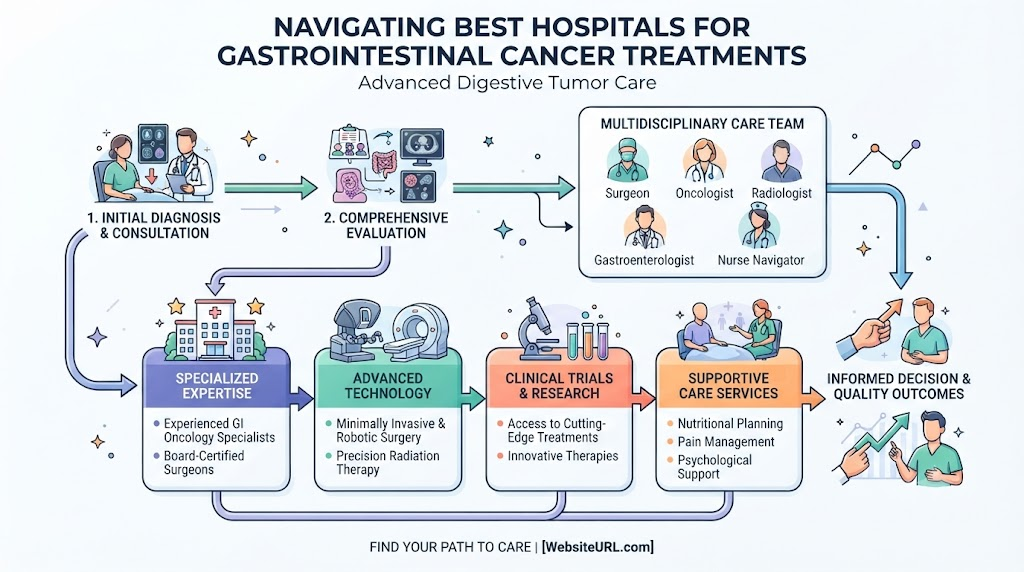
Introduction
The human digestive system is an intricate network responsible for processing nutrients, extracting energy, and eliminating waste. When malignancies arise within this tract, managing them requires highly technical, specialized intervention. Gastrointestinal (GI) cancers encompass a broad range of aggressive diseases that demand sophisticated care. Because these tumors develop near vital blood vessels and deep within core organ structures, early detection and precisely targeted therapies are essential to halt progression and protect systemic health.Learning about the distinct classifications of digestive tract tumors, modern diagnostic tools, and hospital structural evaluation metrics allows you to make informed decisions for your long-term wellness. If you or a loved one are looking for reliable healthcare summaries, need to understand oncology protocols, or want to explore advanced care options, consider utilizing educational resources like GastroHospitals. Connecting with trusted medical insights helps you evaluate specialized providers, trace treatment steps clearly, and plan your path toward healing with confidence.
What Are Gastrointestinal Cancers?
Gastrointestinal (GI) cancers are a category of malignant neoplastic diseases that originate within the cells lining the digestive organs. This complex spectrum covers tumors affecting the upper digestive tract, the lower intestinal spaces, and the accessory organs responsible for producing metabolic enzymes and filtering blood.
The digestive system is continuously exposed to environmental triggers, dietary compounds, and biochemical secretions. Over time, chronic irritation can cause mutations within the cellular matrix of the organ walls, leading to unregulated cell growth and tumor formation.
[ Normal Epithelial Lining ] --> Chronic Irritation / Genetic Shift --> Unregulated Cell Division
                                                                           |
[ Advancing Localized Tumor ] -> Penetrates Tissue Layers --------------> Vascular Access / Metastasis
Because the organs of the digestive system are highly vascularized and closely connected by lymphatic channels, understanding disease progression is critical:
- Localized Staging: Malignant cells are initially confined to the inner mucosal lining of the affected organ, where they are highly accessible to targeted treatments or endoscopic removal.
- Regional Extension: If left unmanaged, the tumor grows deeper into the muscular walls of the organ and can spread to adjacent lymph nodes.
- Distant Metastasis: Advanced progression allows malignant cells to enter the bloodstream or lymphatic system, migrating to distant locations like the liver, lungs, or peritoneum.
Catching these changes during an early stage is a vital element of successful care. Early-stage GI tumors are frequently asymptomatic, developing silently before causing obvious physical disruptions. Identifying anomalies before they spread ensures access to localized, effective treatment options, lowering structural risks and supporting a more predictable recovery.
Common Types of Gastrointestinal Cancers
Specialized gastrointestinal oncology programs care for distinct tumor types across the entire digestive tract, utilizing targeted strategies for each specific anatomical zone.
Esophageal and Stomach (Gastric) Cancer
- Esophageal Cancer: Arises within the muscular tube connecting the throat to the stomach. It typically presents as squamous cell carcinoma in the upper regions or adenocarcinoma in the lower portion near the gastric junction, frequently linked to long-standing acid reflux.
- Stomach (Gastric) Cancer: Develops within the mucus-producing cells lining the stomach interior. These adenocarcinomas require careful staging to map how deeply they penetrate the muscular walls of the stomach before medical teams choose a surgical path.
Colorectal and Accessory Organ Cancers
- Colorectal Cancer: Malignancies located in the large intestine (colon) or the final segment of the digestive tract (rectum). They frequently begin as benign adenomatous polyps along the intestinal wall, making routine screening colonoscopies an effective preventive measure.
- Liver Cancer: Primarily presenting as hepatocellular carcinoma (HCC), this cancer forms within the functional liver tissue, often following chronic hepatic inflammation, cirrhosis, or viral infection.
- Pancreatic Cancer: Typically developing as pancreatic ductal adenocarcinoma, this is an aggressive disease forming within the enzyme-producing segments of the pancreas. Because of its deep anatomical location, it requires highly specialized surgical skills to manage safely.
Gallbladder, Small Intestine, and Anal Cancers
- Gallbladder and Biliary Tract Cancers: Rare tumors forming within the gallbladder or the small tubes that carry bile to the intestines, often requiring advanced clearing procedures to keep bile pathways open.
- Small Intestine Cancer: Uncommon malignancies arising in the duodenum, jejunum, or ileum, frequently requiring targeted segmental resections to clear the passage.
- Anal Cancer: Malignancies developing within the tissues of the anal canal, which are routinely treated using a combination of radiation and chemotherapy to preserve physical function.
Gastrointestinal Cancer Types Comparison Table
| Cancer Classification | Primary Affected Organ | Standard Clinical Diagnostic Steps | Common Treatment Options |
| Esophageal Cancer | Esophagus tube matrix | Upper GI Endoscopy, EUS, CT Staging | Esophagectomy, Chemoradiation, Targeted therapy |
| Stomach Cancer | Stomach interior walls | Endoscopy, Biopsy, PET-CT, Diagnostic Laparoscopy | Gastrectomy, Systemic Chemotherapy, Immunotherapy |
| Colorectal Cancer | Colon and rectal tissue | Colonoscopy, Tissue Biopsy, CT Chest/Abdomen/Pelvis | Colectomy, Total Mesorectal Excision, Chemotherapy |
| Liver Cancer | Liver functional parenchymal | Multiphasic CT/MRI, AFP markers, Core Biopsy | Hepatic Resection, Ablation, Targeted systemic drugs |
| Pancreatic Cancer | Pancreas glandular matrix | EUS-FNA, Pancreatic-protocol CT, CA 19-9 markers | Whipple Procedure, Total Pancreatectomy, Chemotherapy |
Symptoms That May Require Medical Evaluation
Gastrointestinal conditions can present with a variety of subtle signs. Recognizing persistent shifts in your digestive patterns allows you to seek professional triage early, ensuring any underlying issues are identified before complications arise.
- Persistent Abdominal Discomfort: Continuous or cramping pain, deep aching, or bloating in the midsection that does not resolve with standard dietary adjustments.
- Unexplained Weight Loss: A significant, involuntary drop in body mass without changes to your physical activity levels or nutritional intake.
- Progressive Difficulty Swallowing: A sensation of food catching or lodging in the chest area during swallowing, medically referred to as dysphagia.
- Blood Present in the Stool: Finding bright red blood, dark maroon streaks, or black tarry stools (melena), which point to potential irritation within the intestinal tract.
- Continuous Indigestion or Acid Reflux: Ongoing burning sensations, frequent sour regurgitation, or severe nausea after consuming everyday meals.
- Unprovoked Loss of Appetite: A sudden, lasting drop in your desire to eat, or feeling unusually full after consuming only small amounts of food.
- Persistent, Deep-Seated Fatigue: Chronic exhaustion and physical weakness that rest does not relieve, which can stem from underlying iron-deficiency anemia caused by slow, hidden blood loss.
- Lasting Changes in Bowel Habits: Developing persistent diarrhea, progressive constipation, or a noticeable narrowing of the stool texture that lasts for several weeks.
                  +-----------------------------------+
                  |   SYMPTOM PROGRESSION MONITORING  |
                  +-----------------------------------+
                   /               |                 \
                  /                |                  \
      [ Upper GI Signals ]  [ Lower Intestinal ]    [ Systemic Markers ]
       - Dysphagia, nausea,   - Stool texture changes, - Unexplained weight drops,
         and gastric pain       melena, and cramping     chronic physical fatigue
It is vital to understand that these symptoms are non-specific and are frequently caused by completely benign, non-cancerous conditions such as peptic ulcer disease, irritable bowel syndrome (IBS), or localized gallstones. However, experiencing any of these signs continuously means you should arrange for a professional medical evaluation to establish an accurate diagnosis and get the right care plan.
Risk Factors for Gastrointestinal Cancers
The development of mutations within the digestive tract is influenced by an interplay of genetic markers, environmental exposures, long-standing medical history, and lifestyle habits.
- Lineal Family History: Having close biological relatives who have experienced digestive tract malignancies can point to shared genetic risk factors or inherited conditions like Lynch syndrome.
- Consistent Tobacco Use: Smoking introduces harmful chemical compounds that dissolve in saliva and are swallowed, damaging cell DNA throughout the upper and lower digestive tracts.
- Regular Alcohol Consumption: Frequent intake of alcohol can cause chronic tissue inflammation and metabolic stress, altering the cellular environment within the liver and esophagus.
- Carrying Excess Body Weight: Severe obesity can trigger systemic low-grade inflammation and alter metabolic pathways, placing continuous stress on abdominal organs.
- Chronic Inflammatory Bowel Disease (IBD): Long-standing conditions like Ulcerative Colitis or Crohn’s Disease cause persistent immune activity and tissue damage along the intestinal walls, which requires regular monitoring.
- Chronic Viral Hepatitis: Long-standing Hepatitis B or C infections cause ongoing cellular stress and scarring (cirrhosis) in the liver, raising the risk of cell mutations.
- Helicobacter pylori Infection: A common bacterial infection of the stomach lining that, if left untreated, can cause chronic gastritis and peptic ulcers, altering the gastric tissue environment.
- Diets High in Processed Meats: Eating large amounts of heavily salted, smoked, or chemically preserved foods can expose the intestinal lining to irritating compounds over time.
- Increasing Chronological Age: The risk for cellular mutations naturally increases as the body grows older, making regular health checkups an important habit for adults.
Advanced Diagnostic Technologies
Accurately mapping a tumor’s location, tissue type, and staging requires advanced diagnostic tools. Specialized GI hospitals invest heavily in next-generation imaging and molecular testing to guide care.
Advanced Endoscopy and Ultrasound Imaging
- High-Definition Endoscopy: Procedures like an Upper GI Endoscopy or Colonoscopy use slim, flexible tubes equipped with high-definition digital cameras and narrow-band light filters. These tools allow gastroenterologists to examine the mucosal lining directly, locate flat or hidden tissue variations, and harvest precise tissue samples (biopsies) safely.
- Endoscopic Ultrasound (EUS): Combines an endoscope with a micro-ultrasound probe at the tip. This advanced device allows doctors to look through the organ walls, measure exactly how deeply a tumor penetrates tissue layers, and perform fine-needle aspirations (FNA) of deep structures like the pancreas with high precision.
[ Mucosal Surface Scan ] ----> High-Definition Endoscopy tracks superficial tissue layer variations
[ Deep Trans-Mural Scan ] ---> Endoscopic Ultrasound (EUS) maps internal wall depth and adjacent lymph nodes
Comprehensive Staging and Molecular Profiling
Hitting a target requires an accurate map. Specialists use Multiphasic CT Scans and High-Resolution MRIs to generate detailed, three-dimensional views of soft tissues, blood vessels, and adjacent organs.
Additionally, PET-CT Imaging Systems combine structural views with metabolic tracking to locate highly active cells throughout the body, helping identify any distant spread.
Once a tissue sample is gathered, pathologists perform advanced molecular and genetic testing on the cells. This analysis screens for specific proteins or mutations, such as HER2 amplification or Microsatellite Instability (MSI), providing the data needed to choose highly effective targeted drugs or immunotherapy options.
Diagnostic Technologies Comparison Table
| Technology Solution | Primary Clinical Target | Direct Diagnostic Benefit |
| High-Definition Endoscopy | Surface lining of the upper tract or colon | Allows for direct visualization of tiny anomalies and safe, immediate tissue sampling |
| Endoscopic Ultrasound | Deep organ walls and the pancreaticobiliary matrix | Measures exactly how deeply a tumor penetrates tissue and guides precise deep-needle biopsies |
| Multiphasic CT / MRI | Internal organ layouts and primary blood vessels | Generates clear cross-sectional images essential for planning complex surgeries |
| PET-CT Scans | Whole-body cellular metabolic activity | Highlights areas of unusual cell activity to identify potential spread early |
| Molecular Testing | Tumor cell DNA and receptor proteins | Uncovers specific genetic traits to help guide personalized targeted therapies |
Treatment Options Available at Specialized Hospitals
Leading oncology centers design multi-step treatment plans that combine advanced surgical options, targeted systemic therapies, and dedicated supportive care to treat the disease effectively while maintaining comfort.
Specialized Gastrointestinal Cancer Surgery
Surgery remains a primary tool for treating localized digestive tract tumors. Surgeons perform precise operations to remove the affected segment of the organ alongside surrounding lymph nodes, then reconnect the digestive tract safely to preserve function. Advanced hospitals utilize specialized approaches to minimize physical trauma:
- Minimally Invasive Surgery: Performing resections through small, targeted incisions using specialized long-handled instruments and cameras, which helps reduce blood loss and speeds up early healing.
- Robotic-Assisted Surgery: Utilizing advanced robotic platforms that provide high-magnification, three-dimensional views and exceptional instrument control, allowing surgeons to navigate complex pelvic or abdominal spaces with micro-level precision.
[ Minimally Invasive Laparoscopy ] -> Small incisions utilizing standard long instruments
[ Robotic-Assisted Surgery ] -------> Multi-jointed instruments providing micro-level control in tight spaces
Systemic Therapies and Supportive Care
- Systemic Chemotherapy: The use of advanced pharmacological agents to disrupt rapidly dividing cells, helping to shrink tumors before surgery (neoadjuvant) or eliminate remaining cells after an operation (adjuvant).
- Targeted Therapy and Immunotherapy: Next-generation medical treatments designed to target specific proteins within tumor cells or help your body’s natural immune system locate and manage cancer cells effectively.
- Precision Radiation Therapy: Delivering high-energy beams precisely to tumor sites, using systems like Intensity-Modulated Radiation Therapy (IMRT) to protect adjacent healthy organs from exposure.
- Integrated Supportive and Palliative Care: Dedicated medical support focused on relieving pain, managing treatment side effects, and reducing physical discomfort at any stage of care.
- Specialized Nutritional Support: Tailored dietary planning supervised by oncology dietitians to manage digestive changes, maintain muscle mass, and support physical strength throughout your treatment.
Importance of Multidisciplinary Cancer Care
Because digestive system malignancies cross multiple anatomical boundaries and influence complex metabolic pathways, managing them requires an integrated team of medical specialists working in close coordination.
                      [ Multidisciplinary Tumor Board ]
                                      |
         +----------------------------+----------------------------+
         |                            |                            |
[ Surgical Leaders ]        [ Systemic Onco Experts ]     [ Diagnostic Specialists ]
 - GI Surgeons               - Medical Oncologists         - Pathologists
 - Gastroenterologists       - Radiation Oncologists       - Radiologists
         |                            |                            |
         +----------------------------+----------------------------+
                                      |
                      [ Holistic Supportive Team ]
                 - Oncology Nurses | Dietitians | Rehab Staff
Diagnostic and Therapeutic Collaboration
Every week, a specialized hospital’s multidisciplinary team meets for a formal case review known as a tumor board. Gastroenterologists and GI surgeons outline the physical layout of the tissue; radiologists present high-resolution staging scans; and pathologists share detailed molecular metrics of the cells.
This multi-sided analysis allows medical oncologists and radiation oncologists to coordinate their steps precisely, choosing the safest, most effective order of therapies for each patient’s unique health profile.
Comprehensive Care and Support
Beyond planning medical interventions, the team incorporates crucial daily support. Specialized oncology nurses manage treatment schedules and guide symptom management; registered dietitians provide customized nutritional plans to help you stay strong; and rehabilitation therapists offer gentle physical exercises to support physical stamina. This complete care loop ensures you receive consistent medical guidance, clear communication, and personalized support from your initial diagnosis through long-term recovery.
Choosing the Right Hospital
Selecting an appropriate institution for complex gastrointestinal cancer treatment involves evaluating a hospital’s specialized clinical teams, advanced technology, and dedicated recovery programs.
Analyze Team Credentials and Program Volumes
The quality of an oncology program depends heavily on the expertise of its clinical team. Verify that the center houses board-certified gastrointestinal oncologists, dedicated surgical oncologists, and experienced interventional gastroenterologists who specialize exclusively in digestive track malignancies.
When reviewing facilities, look at their annual case volumes for your specific diagnosis. High-volume hospitals routinely achieve better patient outcomes and lower complication rates because their entire staff follows well-established, highly repeatable care protocols daily.
Check Clinical Facilities and Support Infrastructure
Ensure the hospital’s operating suites, diagnostic bays, and intensive care units hold active certifications from recognized healthcare quality organizations, proving compliance with strict safety standards.
The center should feature advanced infrastructure, including dedicated Cardiac and Surgical ICUs, on-site molecular testing labs, and round-the-clock emergency care. It is also beneficial to choose a hospital that offers comprehensive outpatient support, combining tailored nutritional guidance with structured physical rehabilitation under one roof.
       [ ACCREDITED DIGITAL HEALTH INFRASTRUCTURE ]
 (Certified Specialists + High-Volume Teams + Modern Safe Wards)
                       |
       [ CONNECTED RECOVERY PATHWAYS ]
  (On-Site Nutrition Bars + Continuous Post-Op Tracking Care)
Prioritize Open Communication and Transparent Education
A high-quality medical center places a premium on transparency and patient education. During your initial consultations, the care team should provide straightforward, compassionate explanations of your staging, outline the potential benefits and side effects of each treatment option clearly, and involve your family in care planning.
Avoid programs that minimize the effort required during recovery or make unrealistic promises. A trustworthy healthcare team focuses on your safety, respects your personal preferences, and helps you make well-informed decisions with peace of mind.
Hospital Selection Checklist
| Care Center Feature | Clinical Importance | Specific Quality Indicators to Look For |
| GI Oncology Specialists | Ensures your care plan is guided by experts who understand complex digestive diseases | Board certifications in GI oncology; active research fellowships |
| Advanced Endoscopy Services | Supports highly accurate staging and precise, early-stage tissue biopsies | Availability of high-definition scopes, EUS, and narrow-band imaging |
| Comprehensive Cancer Center | Brings all required specialties together for coordinated multidisciplinary care | Structured weekly tumor boards with verified care pathways |
| Modern Surgical Facilities | Provides access to advanced, less invasive operative options to support healing | Active robotic platforms; specialized minimally invasive operating rooms |
| Nutrition & Rehab Services | Helps patients manage digestive changes and preserve strength during recovery | On-site oncology dietitians and clinical physical therapists |
Recovery After GI Cancer Treatment
Recovering from advanced gastrointestinal care is a continuous process that requires a structured, multi-phase plan to help your digestive system adapt and rebuild strength over time.
Navigating Dietary and Physical Recovery
Because treatments directly impact organs responsible for nutrient absorption, managing nutrition is a primary focus during recovery. Oncology dietitians work closely with patients to adjust to anatomical changes, recommending smaller, nutrient-dense meals, tracking hydration closely, and introducing targeted supplements or pancreatic enzymes when necessary to prevent weight loss.
Concurrently, physical therapists introduce gentle, structured physical rehabilitation to help patients rebuild cardiovascular endurance and regain baseline strength safely without placing undue stress on healing tissues.
                  [ CONSERVATIVE RECOVERY REALS ]
  =============================================================
   Nutritional Adapts | Surveillance Plan | Emotional Support
  =============================================================
   Small, frequent,    | Scheduled scans,  | Connecting with
   nutrient-dense      | blood checkups,   | counselors or peer
   meals; hydration    | and biomarkers like| groups to manage
   monitoring          | CEA/CA 19-9       | stress and anxiety
  =============================================================
Ongoing Surveillance and Long-Term Survivorship
Long-term wellness relies heavily on a structured surveillance schedule designed by your oncology team. Patients attend regular follow-up appointments to review healing progress, run blood panels, and check tumor markers like CEA or CA 19-9.
Hospitals also provide dedicated long-term survivorship care, which combines consistent surveillance scans with professional counseling and emotional support networks, helping patients manage post-treatment anxiety, adopt healthy everyday habits, and transition back to daily life with confidence and peace of mind.
Common Myths vs Facts
Myth: Receiving a gastrointestinal cancer diagnosis guarantees a poor clinical outcome for everyone.
Fact: Prognoses and treatment pathways vary significantly based on the specific type of cancer, its location, and the stage at which it was located. Many early-stage GI malignancies are highly treatable, and modern, targeted systemic therapies have significantly improved long-term outcomes and quality of life for advanced cases.
Myth: Major open-chest or open-abdominal surgery is always the only effective treatment option available.
Fact: Modern oncology relies on a combination of different approaches. Many patients receive a personalized blend of treatments, including chemotherapy to shrink a tumor before a less invasive, laparoscopic, or robotic-assisted surgery is performed, helping to preserve healthy tissue and support a faster recovery.
Myth: Your healthcare journey and professional medical monitoring end completely the day your surgery is finished.
Fact: A successful operation is an important milestone, but long-term success depends on consistent follow-up care. Ongoing surveillance scans, regular blood checks, nutritional monitoring, and structured physical rehabilitation are essential steps for protecting your health and tracking your recovery over time.
Myth: Experiencing a chronic digestive symptom like persistent heartburn or bloating means you have cancer.
Fact: The vast majority of daily digestive complaints stem from completely benign, non-cancerous conditions like acid reflux, peptic ulcers, food intolerances, or IBS. However, experiencing any symptom continuously means you should schedule a professional evaluation to get clarity and find the right care.
Common Mistakes Patients Make
Managing a complex gastrointestinal care path requires clear communication and systematic attention to medical instructions. Avoiding common pitfalls can significantly reduce your risk of complications and support a more stable, secure recovery.
Downplaying Persistent Symptoms or Delaying Medical Triage
A frequent mistake is attributing ongoing warning signs—such as lasting abdominal discomfort, subtle changes in stool texture, or a progressive loss of appetite—to minor issues like stress, aging, or a temporary dietary indiscretion. Delaying a professional evaluation allows potential underlying conditions to develop unmonitored, which can limit your treatment choices later. Seeking timely triage is an essential first step for protecting your long-term health.
Pausing or Modifying Prescribed Therapies Independently
Some individuals stop taking their support medications, alter their treatment schedules, or discontinue oral cancer therapies without consulting their physician, often because they feel stronger or want to avoid a side effect. Stopping core therapies abruptly can destabilize your recovery and allow remaining tumor cells to grow, creating serious risks for your health. Always discuss any side effect concerns openly with your oncologist before altering your routine.
Relying on Unverified Alternative Therapies Instead of Evidence-Based Care
Feeling anxious during an oncology diagnosis is completely natural, and it can be tempting to seek fast, unproven alternative remedies found online that promise miracle results. However, substituting unverified treatments for evidence-based medical care delays crucial interventions like surgery or chemotherapy, allowing the disease to progress. True supportive medicine integrates gentle, safe comfort measures alongside your primary medical care under the direction of your oncology team.
Neglecting Tailored Nutritional Guidance During Early Recovery
Assuming you can return to your previous eating habits immediately after major gastric or intestinal surgery can cause physical discomfort and nutrient deficiencies. Because treatments alter how your body processes food, ignoring your oncology dietitian’s instructions regarding portion sizes, hydration, or specialized enzymes can lead to rapid weight loss and weakness. Sticking to your customized nutrition plan gives your body the fuel it needs to heal safely.
Practical Solutions
To help keep your care pathway safe and on track:
- Keep a simple daily diary of any physical symptoms, noting when they occur, what they feel like, and how long they last so you can share them clearly with your care team.
- Use automated calendar reminders or phone apps to track your medication schedules, follow-up scans, and nutrition checks accurately.
- Remember that partnering with an accredited hospital and following an evidence-based care plan is the safest, most reliable way to protect your health and achieve lasting peace of mind.
Real-Life Educational Scenarios
Scenario A: Early Detection Through a Routine Screening Colonoscopy
A 53-year-old individual scheduled a routine screening colonoscopy in accordance with standard preventive guidelines, despite feeling perfectly healthy and displaying no outward digestive symptoms. During the direct visual inspection, the gastroenterologist located a small, irregular mass along the wall of the sigmoid colon and harvested a precise tissue sample for analysis.
Laboratory testing confirmed the presence of early-stage, localized colorectal cancer. Because the abnormality was identified before it could penetrate deep tissue layers or spread to adjacent lymph nodes, the surgical oncologist performed a minimally invasive laparoscopic resection to remove the affected segment cleanly. The patient recovered quickly without needing intensive chemotherapy, returning to their normal routine with an updated, long-term surveillance schedule.
Scenario B: Coordinated Multidisciplinary Care for Stomach Cancer
A 62-year-old individual visited their physician after experiencing a persistent loss of appetite, ongoing indigestion, and a progressive drop in weight over several weeks. A comprehensive workup, including an upper GI endoscopy and a high-resolution CT scan, revealed an advanced adenocarcinoma within the body of the stomach that had spread to regional lymph nodes.
[ Diagnostic Intake: Advanced Staging ] -> Endoscopy catches gastric mass; CT reveals regional nodal involvement
                                                |
[ Tumor Board Interventions Sequential ] ----> Neoadjuvant chemo shrinks tumor; precision surgery follows cleanly
                                                |
[ Coordinated Outpatient Recovery ] ---------> Oncology dietitian guides nutrition; surveillance tracks stable baseline
The hospital’s multidisciplinary tumor board designed a multi-step care plan. First, the medical oncologist administered a course of neoadjuvant chemotherapy to shrink the tumor and manage the regional node involvement. Next, the surgical team performed a successful partial gastrectomy using robotic-assisted precision tools to clear the area cleanly. Supported by an oncology dietitian who helped adjust their daily meal structures, the patient rebuilt their physical strength safely and maintained a stable, healthy baseline during long-term follow-up care.
Scenario C: Combined Systemic Therapies for Complex Pancreatic Care
A 58-year-old professional was diagnosed with a localized tumor in the head of the pancreas after experiencing unprovoked fatigue and deep abdominal aching. Because the pancreaticobiliary matrix is highly complex, they sought care at an accredited comprehensive cancer center with a high-volume surgical program.
The multidisciplinary care team initiated a coordinated care pathway, combining a targeted course of chemotherapy with a specialized surgical reconstruction known as the Whipple procedure to remove the mass safely while protecting adjacent vessels. Following the operation, the patient stayed in a dedicated surgical ICU for close monitoring before transitioning to an outpatient recovery plan. By taking prescribed pancreatic enzymes consistently and participating in structured physical rehabilitation, they safely regained their stamina and successfully returned to their professional routine.
FAQs (15 Questions)
1.What are gastrointestinal cancers?
Gastrointestinal (GI) cancers are a category of malignant neoplastic diseases that develop within the cells lining the digestive organs, affecting the tract responsible for processing nutrients and filtering waste.
2.Which specific digestive organs can develop cellular malignancies?
Malignancies can form within the esophagus, stomach, small intestine, large intestine (colon), rectum, anal canal, and the accessory organs, including the liver, pancreas, and gallbladder.
3.What are the early warning signs that require a medical checkup?
Common warning signs include persistent abdominal pain, unexplained weight loss, progressive difficulty swallowing, blood in the stool, chronic indigestion, a lasting loss of appetite, or persistent changes in your bowel habits.
4.Who possesses a higher baseline risk for developing GI cancers?
Risk can be influenced by a family history of digestive tract tumors, inherited genetic markers, a long history of tobacco or regular alcohol use, severe obesity, chronic inflammatory bowel diseases, or untreated H. pylori infections.
5.How do healthcare providers accurately diagnose and stage GI cancers?
Specialists utilize a combination of high-definition endoscopies, endoscopic ultrasounds (EUS) to measure wall depth, cross-sectional imaging like CT and MRI scans, metabolic PET-CT scans, and precise tissue biopsies paired with molecular testing.
6.Is major open surgery required for every gastrointestinal tumor?
No. While surgery is a primary tool for clearing localized tumors, many early-stage anomalies can be managed using minimally invasive laparoscopic or robotic-assisted techniques, often combined with chemotherapy or targeted drugs to protect healthy tissue.
7.What is minimally invasive gastrointestinal cancer surgery?
It is a modern surgical approach where specialized oncologists remove tumors through small, targeted incisions using long-handled instruments and high-definition cameras, helping to limit blood loss, reduce physical trauma, and speed up early healing.
8.What clinical role does chemotherapy play in a comprehensive care plan?
Chemotherapy utilizes advanced drugs to disrupt rapidly dividing cells. It can be used before surgery to shrink a tumor (neoadjuvant), after an operation to eliminate remaining cells (adjuvant), or to manage symptoms and support comfort in advanced cases.
9.Can immunotherapy help treat digestive system malignancies?
Yes. Next-generation immunotherapy options are highly effective for selected patients whose tumor molecular profiling shows specific genetic traits, helping the body’s natural immune system locate and manage cancer cells precisely.
10.How do I identify and choose a reputable GI cancer hospital?
Look for accredited comprehensive cancer centers staffed by board-certified GI oncologists and surgical specialists, equipped with modern endoscopy and robotic facilities, utilizing weekly multidisciplinary tumor boards, and offering on-site nutritional support.
11.Why is multidisciplinary care essential for managing gastrointestinal cancers?
Because digestive tumors are complex, a single perspective is rarely enough. Bringing surgeons, medical oncologists, radiation experts, gastroenterologists, and pathologists together ensures your care is comprehensive, well-sequenced, and tailored to your whole health.
12.What structural monitoring and care steps happen after treatment ends?
Patients enter a structured surveillance program that includes regular follow-up visits, scheduled blood panels, tumor marker checks, and periodic imaging scans, alongside long-term survivorship care to support physical and emotional well-being.
13.How important is personalized nutritional guidance during recovery?
Nutritional support is vital. Because treatments directly affect organs responsible for digesting food, working with an oncology dietitian helps you adjust to anatomical changes, manage portions safely, and maintain the strength needed to heal.
14.How frequently are follow-up surveillance scans scheduled?
Surveillance schedules are highly personalized based on your cancer type and staging. Typically, checkups occur every 3 to 6 months during the initial years following treatment, gradually transitioning to annual check-ins as your baseline remains clear and stable.
15.When is it appropriate to consult a gastrointestinal oncology specialist?
You should schedule a specialized consultation immediately if a routine screening locates an unexpected tissue variation, if you experience any persistent digestive symptoms that do not resolve with basic care, or if you need an expert opinion on an oncology diagnosis.
Final Thoughts
Addressing a complex gastrointestinal oncology diagnosis requires a proactive approach focused on early diagnosis, precision treatments, and comprehensive medical management. Modern interventions—including advanced robotic-assisted surgeries, targeted systemic chemotherapy, next-generation immunotherapies, and highly precise radiation planning—allow specialized medical teams to manage tumors effectively while working to preserve healthy tissue and protect your quality of life. When delivered within accredited hospital networks that bring high-tech diagnostic systems and experienced clinicians together, these evidence-based treatments provide a reliable, safe foundation for healing.However, a successful physical procedure is only the initial milestone on the path to long-term wellness. Achieving lasting recovery and protecting your health results depends on a dedicated, continuous partnership between the patient, their family, and their multidisciplinary care team. This ongoing journey relies on a commitment to regular surveillance scans, consistent medication tracking, and close adherence to customized nutritional plans supervised by oncology dietitians to ensure your body receives the proper fuel it needs to adjust and grow stronger over time.