Introduction
Digestive health is a cornerstone of overall well-being, yet many of us experience unexplained symptoms that affect our quality of life. An upper GI endoscopy is a routine yet powerful diagnostic tool that allows gastroenterologists to get a clear, detailed view of your digestive tract. While the idea of a procedure might feel daunting, understanding the process and preparing correctly is the best way to ensure a smooth, comfortable, and successful experience.Proper preparation is not just a medical requirement; it is the key to ensuring your doctor has the best possible visibility, which in turn leads to a more accurate diagnosis. Whether you are dealing with chronic heartburn, persistent pain, or difficulty swallowing, being well-informed helps alleviate anxiety and puts you in control of your health journey. For those seeking reliable, high-standard digestive care, GastroHospitals offers a dedicated resource for patient education and clinical excellence. This guide explores the essential steps to prepare for your upper GI endoscopy.
Understanding Upper GI Endoscopy
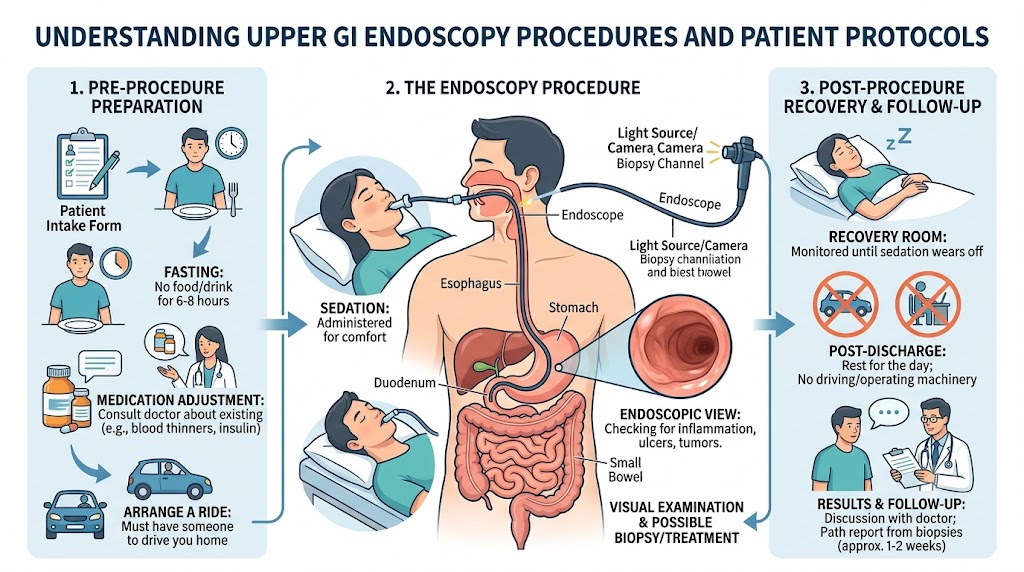
An upper GI endoscopy, often referred to as an EGD (esophagogastroduodenoscopy), is a procedure where a doctor uses a thin, flexible tube called an endoscope to examine the lining of your upper digestive system. The endoscope is equipped with a tiny light and camera, providing high-definition images directly to a monitor.
This procedure allows the specialist to inspect the esophagus, stomach, and the first part of the small intestine, known as the duodenum. It is not only used for visualization; it also allows the doctor to take small tissue samples (biopsies) or remove polyps if necessary. By using safe, effective sedation, the procedure is designed to be as comfortable and painless as possible for the patient.
UPPER GI ENDOSCOPY OVERVIEW TABLE
| Component | Description |
| Esophagus | The muscular tube connecting the throat to the stomach. |
| Stomach | The organ where digestion begins through acid and enzymes. |
| Duodenum | The first section of the small intestine where further digestion occurs. |
| Endoscope | A flexible tube with a camera used for internal visualization. |
| Sedation | Medication used to relax the patient and ensure comfort during the procedure. |
Why Doctors Recommend Upper GI Endoscopy
Gastroenterologists suggest this procedure when they need to investigate symptoms that standard physical exams or blood tests cannot fully explain. It serves as a gold-standard diagnostic approach for many gastrointestinal concerns.
Persistent Acid Reflux
Chronic acid backup that does not respond to standard over-the-counter medications may require a visual check of the esophageal lining.
Difficulty Swallowing
If you experience a feeling of food getting stuck in your throat or chest, an endoscopy can help identify structural narrowing or inflammation.
Chronic Heartburn
Long-term irritation can lead to changes in the esophageal tissue that need to be monitored by a professional.
Upper Abdominal Pain
Unexplained burning or cramping in the upper stomach area is a common reason for a diagnostic endoscopy.
Unexplained Nausea
Frequent, ongoing nausea without a clear cause often warrants a direct look into the stomach.
Gastrointestinal Bleeding
Endoscopy is vital for identifying the source of bleeding, such as ulcers or inflamed tissue, in the upper GI tract.
Suspected Ulcers
Doctors use endoscopy to see and assess the severity of ulcers and rule out complications.
Ongoing Digestive Symptoms
General, persistent symptoms that impact your daily life often require an endoscopy to rule out more serious underlying conditions.
Common Conditions Diagnosed Through Endoscopy
Gastritis
Inflammation or erosion of the stomach lining, often caused by infection or medication use.
Peptic Ulcers
Open sores that develop on the inside lining of the stomach or the upper portion of the small intestine.
GERD
Gastroesophageal Reflux Disease, where stomach acid frequently flows back into the tube connecting your mouth and stomach.
Barrett’s Esophagus
A complication of long-term GERD where esophageal tissue changes to look more like intestinal tissue.
Hiatal Hernia
A condition where the upper part of your stomach bulges through the large muscle separating your abdomen and chest (the diaphragm).
Esophageal Inflammation
General irritation that can cause pain, difficulty swallowing, and chest pain.
Upper GI Bleeding
Detection of bleeding sources that may require immediate intervention.
CONDITIONS DETECTED TABLE
| Condition | Description | Possible Findings |
| Gastritis | Stomach lining inflammation | Redness, erosions, or irritation. |
| GERD | Acid reflux damage | Inflammation or erosion in the lower esophagus. |
| Peptic Ulcer | Open sores | Visible sores in the stomach or duodenum. |
| Barrett’s Esophagus | Tissue changes | Abnormal cell growth in the lower esophagus. |
| Hiatal Hernia | Stomach tissue protrusion | Stomach pushing through the diaphragm. |
| GI Bleeding | Source of blood loss | Active bleeding sites or signs of past bleeding. |
Preparing for an Upper GI Endoscopy
Preparation is the most critical phase of your diagnostic journey. Following these steps ensures your stomach is empty and clear, providing the doctor with the best view of the tissue.
Following Fasting Instructions
You will typically be instructed to stop eating and drinking for several hours before the procedure. This prevents aspiration and ensures the stomach is clear of food particles.
Medication Review
Share your entire medication list with your doctor. Certain drugs, particularly those that affect blood clotting or blood sugar, may need to be adjusted or paused temporarily.
Managing Existing Health Conditions
If you have conditions like diabetes or heart disease, your doctor will provide specific instructions on how to manage these during your fasting period.
Arranging Transportation
Because you will receive sedation, you must have a responsible adult available to drive you home. You will not be allowed to drive or operate machinery for the remainder of the day.
Discussing Allergies and Medical History
Always disclose known allergies, especially to anesthetics, medications, or latex.
Understanding Sedation Requirements
Discuss the type of sedation you will receive with your medical team so you know exactly what to expect.
PRE-PROCEDURE CHECKLIST TABLE
| Preparation Step | Purpose |
| Fasting | Ensures the stomach is clear for safe, accurate visualization. |
| Medication Review | Prevents complications related to blood clotting or health status. |
| Medical History Discussion | Ensures the doctor is aware of risks, allergies, and prior conditions. |
| Transportation Planning | Guarantees safe travel home after the sedation wears off. |
| Consent Forms | Documents that you understand the procedure and its risks. |
| Arrival Instructions | Helps you reach the clinic or hospital on time for prep. |
Foods and Drinks to Avoid Before Endoscopy
Adhering to strict fasting guidelines is mandatory. Even small amounts of water or residue can hinder the accuracy of the images.
FOOD RESTRICTIONS TABLE
| Item | Recommendation Before Procedure |
| Solid Foods | No solid foods for at least 6–8 hours prior. |
| Water | Stop clear liquids (usually 2–4 hours prior) as directed. |
| Coffee | Avoid entirely; the acidity and color can affect visualization. |
| Alcohol | Avoid for at least 24 hours before the procedure. |
| Carbonated Drinks | Avoid as they can cause gas and discomfort. |
| Smoking | Avoid on the day of the procedure to reduce throat sensitivity. |
Medications and Endoscopy Preparation
Blood Thinners
If you are on anticoagulants or antiplatelet therapy, your doctor will determine the exact timeline for pausing these medications to prevent bleeding during any potential biopsies.
Diabetes Medications
Because you will be fasting, your dose of insulin or oral medication may need to be adjusted to prevent hypoglycemia.
Blood Pressure Medications
Usually, these are taken with a tiny sip of water on the morning of the procedure, but always confirm this with your provider.
Supplements
Many herbal supplements can thin the blood. Always mention all vitamins and supplements to your doctor well in advance.
Over-the-Counter Medicines
Avoid aspirin or NSAIDs like ibuprofen for several days before the procedure unless otherwise advised by your physician.
What Happens on the Day of the Procedure
Hospital or Clinic Check-In
Upon arrival, you will register, and nursing staff will confirm your identity and the procedure details.
Pre-Procedure Assessment
A nurse will check your vital signs, review your fasting status, and ensure your IV is placed.
Sedation Process
You will be taken to the procedure room, where an anesthesiologist or nurse will administer medication to make you feel relaxed, sleepy, or drowsy.
Endoscopy Examination
Once you are sedated, the doctor carefully guides the endoscope. Most patients do not remember the procedure at all.
Recovery Area Monitoring
After the procedure, you will be moved to a recovery area where your vital signs are monitored until you are alert.
PROCEDURE DAY TABLE
| Stage | What Happens |
| Check-In | Registration and verification of your details. |
| Assessment | Nursing staff checks vitals and confirms fasting status. |
| Sedation | Medication is administered for comfort. |
| Procedure | The doctor performs the examination and any necessary biopsies. |
| Recovery | You remain under supervision until you are fully awake and alert. |
What Patients Typically Experience During Endoscopy
The procedure is generally quick, typically lasting 15 to 30 minutes. You may feel a slight pressure or sensation as the tube passes, but the sedation serves to minimize this. Most patients find that the anticipation is far worse than the actual experience, as the medication leaves you in a calm, hazy state.
Recovery After Upper GI Endoscopy
Immediate Recovery
You may feel drowsy or “groggy” as the sedation wears off.
Eating and Drinking After Procedure
You will be instructed on when to resume drinking and eating, usually once your throat numbness has faded and you are fully awake. Start with light, easy-to-digest foods.
Temporary Side Effects
A sore throat or mild bloating due to air introduced during the procedure is common and typically resolves quickly.
Returning Home
Your designated driver will escort you home. You should rest for the remainder of the day.
Follow-Up Recommendations
The doctor will provide a summary of the findings or explain when you can expect biopsy results.
RECOVERY GUIDE TABLE
| Recovery Phase | What to Expect |
| Immediate Recovery | Drowsiness and mild grogginess. |
| First Few Hours | Monitoring of vital signs; throat numbness begins to fade. |
| Same Day | Rest at home; avoid driving or making major decisions. |
| Next Day | Return to normal activities; minimal to no side effects. |
| Follow-Up | Review of any biopsy results or further treatment plans. |
Potential Risks and Safety Considerations
While upper GI endoscopy is considered safe, like any medical procedure, there are minor risks. These can include reactions to sedation, minor bleeding if a biopsy was performed, or, very rarely, a small tear in the lining of the digestive tract. These risks are managed by the highly trained clinical staff who monitor you throughout the process.
Benefits of Proper Preparation
Proper preparation is about quality of data. A clean, empty stomach allows the doctor to see every fold and surface of the GI tract. This reduces the time you spend under sedation, minimizes the risk of complications, and ensures that if something needs to be found, it is clearly visible and not hidden by food residue.
Common Mistakes Patients Make
- Not following fasting instructions: Eating or drinking too close to the procedure can lead to cancellation for safety reasons.
- Forgetting to list all medications: This is the most common reason for potential procedure delays.
- Driving home alone: Safety protocols require that you do not drive after receiving sedation.
- Ignoring instructions: Following every guideline is essential for your comfort and safety.
Real-Life Patient Scenarios
A patient who carefully followed fasting and medication instructions experienced a smooth, 15-minute procedure and was home by noon. Conversely, a patient who had a “small snack” had to reschedule, which delayed the diagnosis of their symptoms. The lesson is simple: preparation is the best way to ensure the procedure is done correctly the first time.
Frequently Asked Questions (15 Questions)
- Is upper GI endoscopy painful?
No, you are sedated and generally do not feel discomfort. - How long does the procedure take?
Typically 15 to 30 minutes. - Can I drink water before endoscopy?
Only up until the time your doctor specifies, usually 2–4 hours before. - Why is fasting required?
To keep your stomach empty so you don’t choke and the doctor can see clearly. - What foods should I avoid?
Avoid all solids after the fasting start time. - Can I take my medications?
Only those approved by your doctor to take on the day of. - Will I be asleep during the procedure?
You will be sedated; some patients drift into a light sleep. - How long is recovery?
Usually about an hour in the recovery area. - Can I drive afterward?
Absolutely not. You must have someone drive you. - What conditions can be detected?
Gastritis, ulcers, GERD, and more. - Will I have a sore throat?
You might have a mild, temporary sore throat afterward. - Can I take supplements?
Not before the procedure; check with your doctor. - Is a biopsy painful?
No, you will not feel tissue sampling. - How soon can I eat?
Once your throat numbness fades and the staff gives the go-ahead. - What if I’m nervous?
Tell the staff; they are trained to help you feel calm and safe.
Future of GI Endoscopy
The future of endoscopy is exciting, with technologies like AI-assisted detection that highlight abnormalities in real-time, and High-Definition Imaging that provides incredible clarity. Digital monitoring is also becoming standard, ensuring patients are observed with even greater precision.
📈 FUTURE TECHNOLOGY TABLE
| Innovation | Potential Benefit |
| AI-Assisted Detection | Faster identification of polyps and lesions. |
| High-Definition Imaging | Crystal clear view of tissue surfaces. |
| Advanced Endoscopes | Better maneuverability and smaller sizes. |
| Digital Monitoring | Enhanced patient safety through real-time vital tracking. |
| Precision Diagnostics | Faster, more reliable biopsy processing. |
Final Thoughts
An upper GI endoscopy is a routine procedure that provides vital answers about your digestive health. By following your preparation instructions to the letter, you are doing your part to ensure the best possible diagnostic outcome. If you are ever unsure about a step in your preparation, do not hesitate to contact your clinic—your safety and comfort are always the top priority.For more information, patient resources, and to explore digestive health services, we encourage you to visit GastroHospitals.