Introduction
Acid reflux is a common digestive experience that can turn a pleasant meal into hours of discomfort. Characterized by a burning sensation in the chest—often called heartburn—it occurs when stomach acid flows backward into the esophagus. While occasional discomfort is normal, chronic recurrence can impact your daily life, sleep quality, and overall wellbeing.Understanding the root causes of reflux and adopting natural prevention strategies can lead to lasting relief. By making mindful adjustments to your lifestyle and eating habits, you can often manage symptoms effectively and support your digestive system. To help you navigate your digestive health journey with expert-backed information, GASTROHOSPITALS offers valuable resources for maintaining optimal stomach health.
Understanding Acid Reflux (GERD Basics)
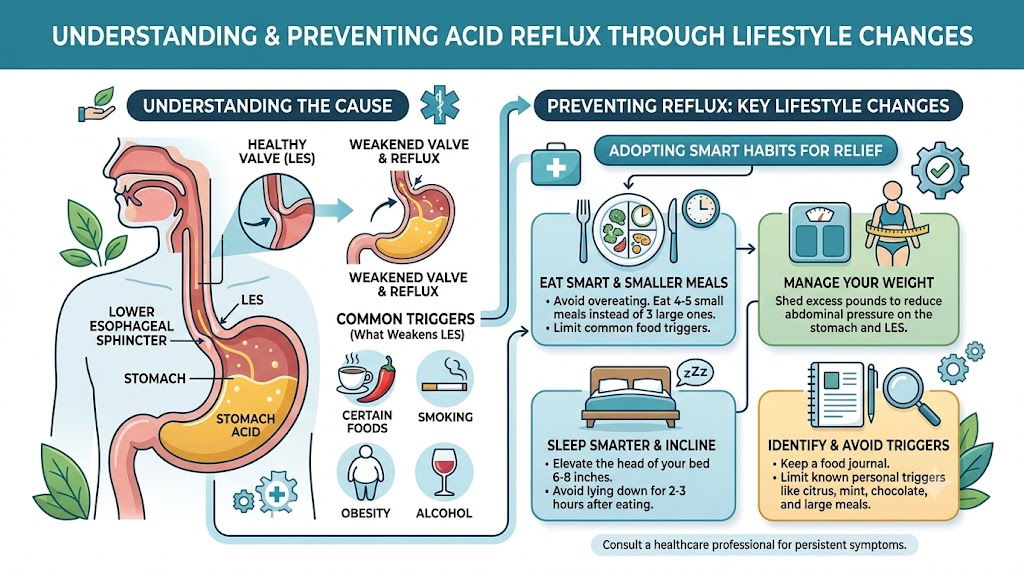
Gastroesophageal Reflux Disease (GERD) is the chronic, more severe form of acid reflux. It happens when the lower esophageal sphincter (LES)—the muscular ring that acts as a gatekeeper between your stomach and esophagus—fails to close properly.
When this valve weakens or relaxes at the wrong time, stomach acid travels upward. Because the lining of the esophagus is not designed to handle the acidity found in the stomach, this contact causes irritation, inflammation, and that familiar burning pain. Recognizing these patterns is the first step toward reclaiming your comfort.
Why Acid Reflux Happens
Several factors can put pressure on the stomach or weaken the LES, triggering reflux:
- Dietary Habits: Consuming high-fat, spicy, or processed foods can delay stomach emptying.
- Stomach Pressure: Being overweight, pregnant, or wearing tight clothing can physically push stomach contents upward.
- Timing: Eating large meals late at night leaves the stomach full while you are lying down, making it easier for acid to creep upward.
- Stress: High stress levels can affect digestive motility and sensitivity, often intensifying the perception of heartburn.
QUICK COMPARISON TABLE
| Trigger Factor | Effect on Body | Prevention Method |
| Late-night eating | Increases acid backflow | Eat 2–3 hours before sleep |
| Fatty foods | Slows down digestion | Choose low-fat, lean meals |
| Spicy foods | Irritates stomach lining | Reduce spice levels |
| Caffeine | Relaxes LES muscle | Limit coffee and black tea |
| Carbonated drinks | Increases stomach pressure | Avoid fizzy, bubbly drinks |
| Overeating | Creates stomach pressure | Eat smaller, frequent meals |
Natural Ways to Prevent Acid Reflux
Prevention is fundamentally about managing what goes in and how it settles. Consider these foundational habits:
- Portion Control: Smaller meals are easier for your stomach to process, reducing the volume of acid produced.
- Mindful Chewing: Digestion begins in the mouth. Chewing your food thoroughly reduces the workload on your stomach.
- The Three-Hour Rule: Give your stomach time to empty before you lie down to sleep.
- Food Awareness: Keep a simple journal to identify which specific foods trigger your symptoms, as everyone’s threshold is different.
LIFESTYLE & SLEEP HABITS TABLE
| Habit | Benefit for Acid Reflux |
| Sleep on left side | Uses gravity to keep acid in the stomach |
| Elevate head while sleeping | Prevents acid from flowing upward |
| Avoid lying down after meals | Allows gravity to assist digestion |
| Light walking after meals | Improves motility and digestion |
| Stress management | Reduces acid production triggered by tension |
Foods That Help Prevent Acid Reflux
Focusing on gut-friendly foods can help soothe the digestive tract:
- High-Fiber Foods: Whole grains like oatmeal, brown rice, and root vegetables like sweet potatoes aid digestion.
- Alkaline Foods: Bananas, melons, cauliflower, and cucumbers have a higher pH, which can help neutralize stomach acid.
- Water-Rich Foods: Celery and lettuce are easy on the stomach and provide hydration.
- Lean Proteins: Chicken, turkey, fish, and legumes are far easier to digest than red meat or fried options.
Foods to Avoid
Certain items are well-known culprits for triggering reflux:
- Fried and Greasy Foods: These take a long time to digest and keep the LES relaxed.
- Citrus Fruits: Lemons, oranges, and grapefruits are highly acidic and can irritate the esophagus.
- Chocolate: It contains substances that can relax the esophageal sphincter.
- Alcohol and Caffeine: Both can increase acid secretion and loosen the LES valve.
Importance of Healthy Weight
Maintaining a healthy weight is one of the most effective ways to reduce reflux. Excess abdominal fat exerts constant physical pressure on the stomach, literally pushing acid upward. By managing your weight through balanced nutrition and movement, you reduce this pressure, often leading to a significant reduction in symptom frequency.
Home Remedies for Acid Reflux Relief
- Ginger Tea: Ginger is a natural anti-inflammatory that helps soothe the stomach.
- Non-Mint Chewing Gum: Chewing gum increases saliva production, which helps neutralize acid in the esophagus. Avoid mint, as it can actually relax the LES.
- Aloe Vera Juice: When food-grade and used sparingly, it can have a cooling, soothing effect on the digestive lining.
- Warm Water: Sipping warm water throughout the day can aid digestion and soothe the throat.
Common Mistakes People Make
- Eating Heavy Dinners: This is the most common cause of nighttime reflux.
- Ignoring Early Symptoms: People often wait until the pain is severe to change their habits.
- Over-relying on Antacids: Antacids provide temporary relief but do not address the lifestyle habits causing the reflux.
- Drinking Too Much Liquid During Meals: This can distend the stomach, increasing pressure.
Real-Life Lifestyle Scenarios
Imagine a typical day. A person finishes a large, spicy dinner at 8:00 PM and goes to bed at 9:30 PM. Gravity is against them, and the stomach is full. By simply shifting that dinner to 6:30 PM and taking a gentle 15-minute walk afterward, they give their body the necessary time to process the meal. Small, consistent shifts like these turn the tide from constant discomfort to long-term digestive ease.
When to Seek Medical Advice
While lifestyle changes are powerful, they cannot replace professional care if you experience:
- Chronic Heartburn: Symptoms that occur more than twice a week.
- Dysphagia: A feeling that food is stuck in your throat or difficulty swallowing.
- Chest Pain: Especially if it is accompanied by shortness of breath or arm pain (which requires immediate emergency care).
- Unexplained Weight Loss: This is a red flag that requires a doctor’s evaluation.
Future of Digestive Health Care
We are entering an era of Personalized Nutrition, where research into the gut microbiome is helping us understand how individual bacteria influence digestion. Soon, digital health monitoring will allow us to track exactly how specific meals impact our acidity levels in real-time, leading to tailored diet plans that prevent reflux before it ever starts.
FAQs
- What causes acid reflux?
It is caused by stomach acid leaking into the esophagus due to a weak valve. - Is acid reflux dangerous?
Occasional reflux is common, but chronic, untreated GERD can damage the esophagus. - Can diet cure GERD?
Diet management is a primary treatment, though some cases require medical intervention. - What foods reduce acidity?
Bananas, oatmeal, and lean proteins are great choices. - Is coffee bad for reflux?
Yes, it can relax the LES and increase acid production. - How to stop nighttime reflux?
Eat early and elevate your head while sleeping. - Can stress cause acid reflux?
Yes, stress can increase acid production and sensitivity. - Is gum helpful?
Non-mint gum helps neutralize acid by increasing saliva. - Are antacids bad?
They are safe for occasional use but shouldn’t replace healthy habits. - How much water should I drink?
Stay hydrated, but try not to drink huge amounts during meals. - Why does spicy food hurt?
It contains capsaicin, which can irritate the esophageal lining. - Is weight loss effective?
Yes, even modest weight loss can significantly reduce symptoms. - Can I drink tea?
Herbal teas like ginger or chamomile are usually very soothing. - How long should I wait to lie down?
Ideally, 2 to 3 hours. - What is the best sleeping position?
On your left side with your head slightly elevated.
Final Thoughts
Acid reflux is a signal from your body that your digestive system needs a little more attention and care. By incorporating these natural strategies—adjusting your meal timing, identifying your unique food triggers, and prioritizing lifestyle balance—you can significantly improve your quality of life and long-term digestive health.Awareness is your greatest tool. Stay consistent with your habits, listen to what your body tells you, and never hesitate to consult a professional if symptoms persist. To explore more about maintaining a healthy digestive system, visit GASTROHOSPITALS.