Introduction
Ensuring a child grows, develops, and thrives relies heavily on optimal digestive health. The gastrointestinal system is responsible for processing nutrients, fueling energy, and supporting overall immune function during critical developmental years. When digestive issues arise in infants, children, or adolescents, managing them requires expertise distinct from adult care. Children’s digestive conditions demand specialized evaluation because a child’s growing body processes medications, nutrition, and recovery differently than an adult’s. Access to experienced pediatric gastroenterologists and child-friendly hospital environments significantly enhances the comfort and accuracy of care. For reliable resources, hospital comparisons, and educational guidance, parents can explore GASTROHOSPITALS, a platform dedicated to supporting informed healthcare decisions.
What Are Pediatric Digestive Disorders?
Pediatric digestive disorders encompass any health condition affecting the gastrointestinal tract and accessory digestive organs in children. The pediatric digestive system is anatomically and physiologically immature during infancy and undergoes rapid development throughout childhood, making specialized medical oversight essential.
Key organs involved in pediatric digestion include:
- Esophagus: The muscular tube transporting food from the mouth to the stomach.
- Stomach: The organ where food is broken down using gastric acids and enzymes.
- Small Intestine: The primary site for nutrient absorption into the bloodstream.
- Large Intestine (Colon and Rectum): Absorbs water and processes waste material.
- Liver: Produces bile, processes nutrients, and filters toxins from the blood.
- Gallbladder: Stores and concentrates bile released by the liver.
- Pancreas: Secretes digestive enzymes and essential blood-sugar regulating hormones.
Early clinical evaluation of digestive symptoms in children helps prevent interference with normal growth, weight gain, and nutritional status.
Common Pediatric Digestive Disorders
Gastroesophageal Reflux Disease (GERD)
- Symptoms: Frequent spitting up or vomiting, irritability during feeding, arching of the back in infants, and heartburn or chest discomfort in older children.
- Causes: Immature lower esophageal sphincter muscle that relaxes inappropriately, allowing stomach contents to flow backward.
- Impact on Children: Can lead to poor weight gain, feeding refusal, or respiratory irritation if left unmanaged.
Chronic Constipation
- Common Causes: Low dietary fiber intake, insufficient fluid consumption, withholding stool, or transition periods like toilet training.
- Warning Signs: Infrequent, hard, or painful bowel movements, abdominal cramping, and accidental stool staining.
- Importance of Guidance: Requires structured dietary changes, behavioral strategies, and physician-guided management to break chronic withholding cycles.
Irritable Bowel Syndrome (IBS)
- Symptoms: Recurrent abdominal pain or cramping linked with changes in stool frequency or consistency (diarrhea, constipation, or alternating patterns).
- Digestive Discomfort: A functional gastrointestinal disorder where structural damage is absent, but gut sensitivity is heightened.
- Management Approaches: Dietary modifications, stress management, regular physical activity, and reassuring pediatric guidance.
Inflammatory Bowel Disease (IBD)
- Crohn’s Disease: Causes chronic inflammation that can affect any part of the digestive tract from the mouth to the anus, often penetrating deep tissue layers.
- Ulcerative Colitis: Involves continuous inflammation and superficial sores restricted to the inner lining of the large intestine and rectum.
- Importance of Specialist Care: Requires lifelong pediatric gastroenterology management to control flare-ups, support normal growth, and prevent complications.
Celiac Disease
- Gluten-Related Immune Reaction: An autoimmune response triggered by consuming gluten (found in wheat, barley, and rye) that damages the small intestinal lining.
- Digestive Symptoms: Chronic diarrhea, abdominal bloating, fatigue, and delayed growth or weight loss.
- Dietary Management: Strict, lifelong adherence to a gluten-free diet to allow the intestinal lining to heal.
Food Allergies and Intolerances
- Common Symptoms: Hives, swelling, vomiting, diarrhea, or abdominal pain triggered by specific proteins in foods like milk, eggs, soy, or nuts.
- Importance of Evaluation: Professional allergy testing and elimination diets help differentiate true immunological allergies from non-allergic food intolerances.
Pediatric Liver and Pancreatic Disorders
- Childhood Liver Conditions: Encompasses congenital biliary atresia, metabolic liver diseases, neonatal hepatitis, and autoimmune liver disorders.
- Pancreatic Problems: Conditions such as acute or chronic pancreatitis or pancreatic insufficiency.
- Need for Specialized Care: These complex conditions require tertiary pediatric medical centers equipped with specialized hepatology and pediatric surgical teams.
As noted by the Cleveland Clinic, pediatric digestive specialists manage conditions affecting children’s digestive organs, including the esophagus, stomach, intestines, liver, gallbladder, and pancreas.
Pediatric Digestive Disorder Comparison Table
| Condition | Common Symptoms | General Care Approach |
| GERD | Spitting up, feeding refusal, heartburn, irritability | Feeding positioning, smaller frequent meals, thickening agents, or acid-suppressing medication under pediatric guidance. |
| Constipation | Hard stools, painful bowel movements, abdominal pain | Increasing water and fiber intake, regular toileting routines, and gentle stool softeners as advised by a doctor. |
| IBS | Recurrent tummy pain, bloating, altered bowel habits | Dietary adjustments, addressing stress or anxiety, and supportive symptom management. |
| IBD | Persistent diarrhea, rectal bleeding, weight loss, fatigue | Specialized anti-inflammatory drugs, immune modulators, nutritional therapy, and gastroenterology monitoring. |
| Celiac Disease | Abdominal distension, poor growth, chronic diarrhea | Strict lifelong elimination of dietary gluten to restore intestinal health and nutrient absorption. |
| Food Intolerance | Gas, cramping, bloating, diarrhea after eating specific foods | Identifying trigger foods through medical elimination diets and nutritional counseling. |
| Liver Disorders | Jaundice (yellowing of skin/eyes), pale stools, fatigue | Comprehensive metabolic evaluations, specialized pediatric hepatology care, and medical management. |
Role of Pediatric Gastroenterologists
A pediatric gastroenterologist is a medical doctor who has completed specialized fellowship training dedicated exclusively to digestive health problems affecting infants, children, and teenagers. Their clinical scope includes:
- Diagnosis: Utilizing specialized diagnostic tools calibrated for smaller pediatric anatomies to identify root causes of symptoms.
- Treatment Planning: Designing customized, age-appropriate medical and nutritional treatment regimens.
- Nutrition Support: Ensuring that children receive adequate caloric intake and essential micronutrients despite chronic digestive challenges.
- Growth Monitoring: Tracking height, weight, and developmental milestones to ensure chronic digestive conditions do not stunt childhood growth.
- Long-Term Care: Managing chronic conditions like IBD or celiac disease through years of childhood development into young adulthood.
Features of the Best Hospitals for Pediatric Digestive Disorders
Experienced Pediatric GI Specialists
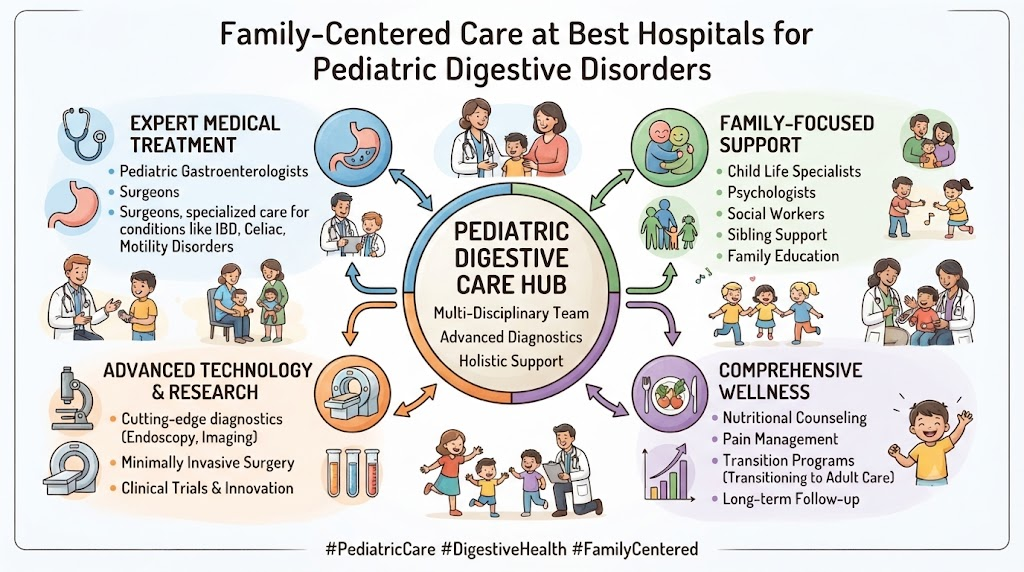
Top-tier pediatric hospitals house board-certified pediatric gastroenterologists who understand the unique physiological and emotional needs of children. They combine clinical expertise with family-focused communication that helps ease parental anxiety.
Child-Friendly Hospital Environment
Medical environments can be intimidating for young patients. Leading pediatric facilities feature:
- Comfortable Pediatric Wards: Colorful, engaging spaces designed to reduce stress during hospital stays.
- Child-Focused Procedures: Child-life specialists who help prepare pediatric patients for tests and surgeries using age-appropriate explanations and play therapy.
- Family Support Services: Accommodations for parents to stay alongside their hospitalized children, parent support groups, and counseling resources.
Advanced Diagnostic Facilities
Accurate diagnosis in pediatrics requires specialized equipment:
- Blood and Stool Tests: Screening for markers of infection, inflammation, or malabsorption.
- Imaging Studies: Pediatric-adapted ultrasounds, fluoroscopy, and cross-sectional scans.
- Endoscopy and Colonoscopy: Performed using specialized miniaturized pediatric scopes under safe sedation managed by pediatric anesthesiologists.
- Motility Testing: Specialized evaluations for assessing how food moves through the digestive tract.
Multidisciplinary Care Team
Complex pediatric GI conditions require collaborative care. Specialized pediatric GI programs often use multidisciplinary teams involving physicians, nutrition experts, and other healthcare professionals to support children with digestive conditions, as emphasized by Sanford Health. A typical team includes pediatric gastroenterologists, pediatric surgeons, clinical nutritionists, specialized nurses, child psychologists, and registered dietitians.
Pediatric Digestive Treatment Options
Treatment plans for pediatric digestive disorders are highly individualized, taking into account the child’s age, weight, diagnosis, and overall health status:
- Lifestyle and Nutrition Support: Dietary planning, nutritional monitoring, and establishing healthy eating habits form the cornerstone of managing many pediatric GI conditions.
- Medications: When required, medicines such as anti-inflammatories, acid reducers, laxatives, or biologic therapies are prescribed with precise pediatric dosing calculations based on body weight.
- Endoscopic Procedures: Diagnostic endoscopies or colonoscopies allow clinicians to visualize mucosal tissue, take biopsies, or perform therapeutic interventions like dilating narrowed passages.
- Surgery: When conservative treatments are insufficient for conditions like congenital anomalies, severe IBD complications, or appendicitis, pediatric surgeons perform specialized operations tailored to growing anatomies.
How to Choose the Right Pediatric GI Hospital
When evaluating medical facilities for pediatric digestive care, parents should consider:
- Specialist Expertise: Verify that the attending physicians are fellowship-trained pediatric gastroenterologists with extensive experience managing pediatric-specific GI conditions.
- Hospital Facilities: Ensure the institution features a dedicated pediatric intensive care unit (PICU), pediatric emergency services, and advanced diagnostic laboratories.
- Family Support Services: Look for hospitals that prioritize clear communication with parents, provide thorough treatment explanations, and offer robust follow-up care coordination.
Pediatric Digestive Hospital Selection Checklist
| Factor | Why It Matters |
| Pediatric Specialists | Ensures care is delivered by experts trained specifically in childhood physiology and development. |
| Advanced Diagnostics | Provides access to pediatric-sized equipment and specialized testing required for accurate diagnoses. |
| Nutrition Support | Guarantees expert guidance from pediatric dietitians to protect normal growth and weight gain. |
| Child-Friendly Environment | Reduces fear and anxiety for young patients through welcoming spaces and child-life support. |
| Emergency Care | Offers 24/7 pediatric emergency infrastructure capable of managing acute digestive crises. |
| Follow-up Services | Facilitates seamless long-term monitoring for chronic conditions as the child grows. |
Preparing Your Child for a GI Consultation
Preparing children and parents for a specialist visit helps reduce anxiety and ensures accurate information is shared:
- Recording Symptoms: Keep a detailed journal noting the frequency, timing, and triggers of abdominal pain, vomiting, or bowel changes.
- Medical History Preparation: Document birth history, developmental milestones, and any prior medical evaluations.
- Previous Reports: Bring copies of past blood tests, imaging scans, and notes from referring physicians.
- Medication Details: List all current prescription medications, over-the-counter remedies, vitamins, and herbal supplements.
- Questions for Doctors: Write down specific concerns regarding your child’s diet, symptoms, and potential treatment steps to discuss during the appointment.
Supporting Digestive Health in Children
Parents can foster everyday digestive wellness in growing children by implementing healthy habits:
- Balanced Nutrition: Providing fiber-rich whole grains, fresh fruits, vegetables, and lean proteins suited to their developmental stage.
- Adequate Hydration: Encouraging regular water consumption throughout the day to support smooth digestion and prevent constipation.
- Healthy Activity: Promoting daily physical play, which naturally stimulates healthy intestinal motility.
- Regular Meals: Establishing consistent meal and snack schedules to regulate digestive rhythms.
- Good Hygiene Habits: Teaching thorough handwashing before meals and after bathroom use to prevent infectious gastroenteritis.
- Monitoring Growth: Keeping routine pediatric checkups to track height, weight, and overall developmental progress.
Common Mistakes Parents Should Avoid
- Ignoring Ongoing Symptoms: Attributing persistent stomachaches or feeding difficulties to normal childhood phases without investigation.
- Self-Treating Without Medical Advice: Giving children frequent over-the-counter laxatives, antacids, or restrictive elimination diets without professional diagnosis.
- Delaying Specialist Consultation: Waiting until a child’s growth slows or symptoms become severe before seeking pediatric GI evaluation.
- Comparing Children’s Symptoms With Others: Assuming that because a sibling or friend had similar symptoms, the underlying medical cause is identical.
- Missing Follow-up Appointments: Neglecting scheduled monitoring visits, which are vital for managing chronic conditions like IBD or celiac disease.
Myths vs Facts Table
| Myth | Fact |
| Digestive problems only affect adults. | Infants, children, and teenagers frequently experience diverse digestive disorders ranging from reflux to IBD. |
| Every stomach pain is harmless. | While many bellyaches are mild and temporary, persistent or recurring pain warrants professional evaluation. |
| Pediatric GI care is the same as adult care. | Children have unique physiological, nutritional, and emotional needs requiring age-specific pediatric expertise. |
| Diet alone fixes every digestive problem. | While nutrition is vital, conditions like IBD or celiac disease require structured medical management alongside dietary care. |
| Babies who spit up frequently always have GERD. | Spitting up is common in healthy infants (happy spitters), whereas GERD involves bothersome symptoms or poor weight gain. |
| Constipation in toddlers always resolves on its own. | Chronic constipation often requires structured medical and dietary intervention to prevent long-term withholding patterns. |
| Children cannot undergo endoscopies safely. | Pediatric endoscopies are safely performed using specialized pediatric equipment and expert pediatric anesthesia. |
How GASTROHOSPITALS Helps Parents
Navigating pediatric healthcare decisions can be overwhelming for families. Platforms like GASTROHOSPITALS assist parents by providing:
- Comprehensive pediatric digestive care information and educational guides
- Hospital discovery support to locate specialized pediatric GI centers
- Specialist awareness resources highlighting pediatric gastroenterology qualifications
- Treatment education explaining various diagnostic and therapeutic approaches
- Healthcare decision support designed to empower parents in discussions with their child’s medical team.
FAQs
1.What are pediatric digestive disorders?
Pediatric digestive disorders are health conditions affecting the gastrointestinal tract and accessory organs in infants, children, and adolescents.
2.What does a pediatric gastroenterologist treat?
They diagnose and treat conditions such as GERD, chronic constipation, IBS, IBD, celiac disease, food intolerances, and childhood liver or pancreatic disorders.
3.What are common digestive problems in children?
Frequent issues include infant reflux, functional abdominal pain, constipation, acute gastroenteritis, and food allergies.
4.When should parents consult a GI specialist?
Parents should seek evaluation for persistent abdominal pain, chronic diarrhea or constipation, poor weight gain, blood in stool, or recurring vomiting.
5.How are digestive disorders diagnosed in children?
Diagnosis involves detailed medical histories, physical exams, blood tests, stool analysis, imaging studies, and sometimes pediatric endoscopies.
6.What causes chronic constipation in children?
Causes include low fiber intake, inadequate fluid consumption, stool withholding behavior, or transition phases like toilet training.
7.What is pediatric GERD?
It occurs when stomach contents flow backward into the esophagus frequently enough to cause troublesome symptoms, poor feeding, or inflammation.
8.How is celiac disease managed in children?
It is managed through strict, lifelong elimination of dietary gluten, which allows the small intestine to heal and absorb nutrients properly.
9.Can children develop inflammatory bowel disease?
Yes, children and teenagers can develop Crohn’s disease or ulcerative colitis, which requires specialized pediatric gastroenterology management.
10.What tests are used for pediatric digestive problems?
Common tests include blood panels, stool checks, abdominal ultrasounds, pH probes, and pediatric endoscopies or colonoscopies.
Final Conclusion
Children’s digestive disorders require specialized evaluation and care tailored to their unique developmental stages. Choosing a hospital with pediatric GI expertise, advanced diagnostic facilities, and family-centered support is vital for ensuring positive clinical outcomes. Early attention to digestive symptoms helps children receive appropriate care and supports their long-term health and wellness.