Introduction
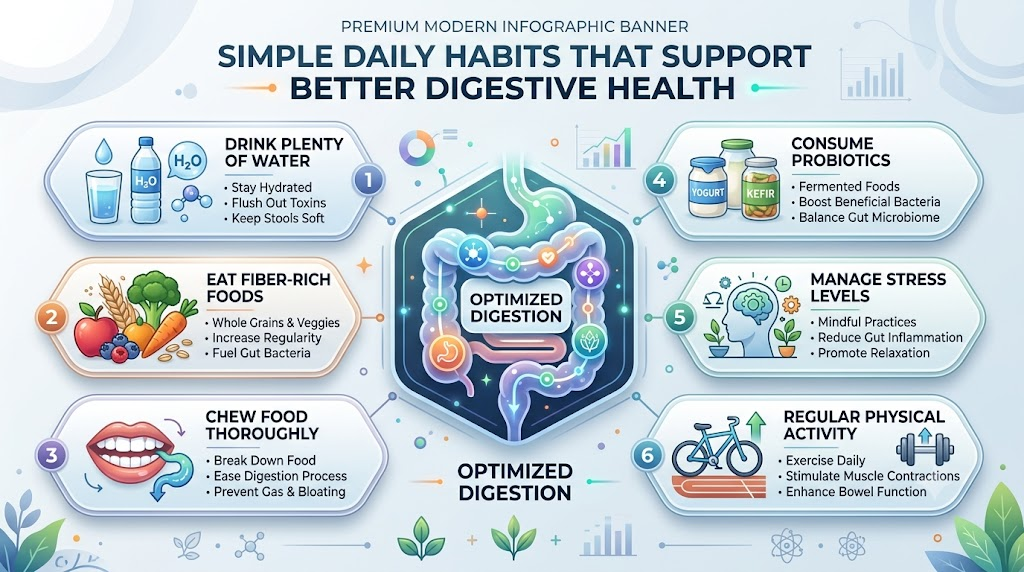
Good digestive health helps the body every day. The digestive system processes food and absorbs nutrients. It also helps remove waste from the body. Common problems include gas, bloating, and constipation. Heartburn, diarrhea, and stomach discomfort can also happen. Healthy habits may support better digestive health. These habits include good food, water, movement, and sleep. Stress care and safe food habits also matter. However, healthy habits cannot prevent every disease. GastroHospitals.com can help people explore digestive health care. Learn more at GastroHospitals.
What Is Digestive Health?
Digestive health means your digestive system works well. The process starts inside your mouth. Food then moves through the esophagus. The esophagus carries food to your stomach. Your stomach breaks food down further. The small intestine absorbs many nutrients. The large intestine helps manage body waste. The liver, gallbladder, and pancreas also help. They support digestion in different ways. Good digestive health depends on many factors. Food, movement, sleep, stress, and health conditions matter.
Common Digestive Problems
Many people have digestive symptoms sometimes. Constipation can make bowel movements difficult. Diarrhea can cause loose or frequent stools. Bloating may make the stomach feel full. Gas can also cause stomach discomfort. Indigestion may happen after certain meals. Heartburn can cause a burning feeling. Acid reflux happens when stomach contents move upward. Nausea can make you feel like vomiting. Occasional symptoms may not mean serious disease. Repeated or worsening symptoms need medical evaluation.
Eat a Balanced Diet
Food choices can support healthy digestion. Try to eat many types of foods. Fruits and vegetables can add useful nutrients. Whole grains can provide fiber too. Beans and lentils are also good choices. Healthy protein sources can support balanced meals. Nuts and seeds may fit some diets. Food variety can support overall nutrition. There is no single miracle food. A balanced diet is more useful than extremes. Avoid strict diets without professional advice.
Add Fiber Slowly
Fiber is found in many plant foods. It helps support regular bowel movements. Fruits and vegetables contain useful fiber. Beans and lentils are also good sources. Whole grains can add more fiber. Nuts and seeds may provide fiber too. However, adding fiber too quickly can cause gas. Some people may also feel more bloated. So, increase fiber slowly over time. Drink enough fluids as part of healthy habits. Your needs can differ from someone else’s needs.
Stay Adequately Hydrated
Water supports many normal body functions. It also supports normal digestion. Enough fluid can help keep stool softer. This may support regular bowel movements. However, fluid needs differ between people. Age can affect those needs. Activity and weather can also matter. Some health conditions can change fluid needs. So, there is no single amount for everyone. Drink fluids regularly through the day. Ask a healthcare professional if you have concerns.
Eat at a Comfortable Pace
Eating slowly can make meals more comfortable. Chewing food well can also support eating habits. Try not to rush every meal. Pay attention while you eat. Very large meals may feel uncomfortable for some people. Eating beyond comfortable fullness may also cause discomfort. Mindful eating can help you notice body signals. It does not prevent every digestive problem. Still, calm meals can support healthy routines.
Be Careful With Highly Processed Foods
Highly processed foods can include many packaged foods. Examples include packaged snacks and fast foods. Sugary drinks can also fit this group. Some refined foods may provide less fiber. Eating these foods often may affect diet quality. You do not need to avoid them completely. Balance is more useful than strict rules. Try adding more whole foods to meals. Fruits, vegetables, grains, and beans can help. Small changes can support better digestive health.
Notice Personal Food Triggers
Some people notice symptoms after certain foods. Dairy may cause problems for some people. Very spicy foods may also cause discomfort. Fatty meals can bother some stomachs. Carbonated drinks may increase gas for some people. Some sweeteners can also cause digestive symptoms. However, food triggers differ from person to person. Do not remove many foods without advice. Repeated symptoms deserve professional attention. A doctor can help review possible causes.
Stay Physically Active
Regular movement supports overall body health. It may also support normal bowel function. Walking is one simple activity choice. Cycling can also keep the body moving. Swimming and dancing are other options. Household activities can involve useful movement. Outdoor activities can also support an active routine. You do not need a gym for movement. Choose activities that fit your daily life. Regular movement can support digestive wellness.
Get Enough Sleep
Sleep supports many body functions. Poor sleep can affect energy and stress. It may also affect daily habits. A regular sleep routine can support wellness. Try to keep sleep times fairly steady. Good sleep does not prevent every digestive disease. However, it supports healthy daily routines. Better rest may also make healthy choices easier. Talk with a professional about ongoing sleep problems.
Manage Stress
Stress can affect the body in many ways. The brain and gut can affect each other. This is called the gut-brain connection. Stress may change some people’s eating habits. It may also affect digestive comfort. Walking can provide a simple stress break. Hobbies can also help people relax. Social support can make stressful times easier. Good sleep may also support stress care. Talk with a professional when stress feels hard to manage.
Practice Food Safety
Safe food habits can protect digestive health. Wash your hands before eating or cooking. Keep food stored in safe conditions. Cook food properly before eating it. Keep raw and cooked foods separate. Avoid food that looks or smells spoiled. Be careful when drinking unsafe water. These steps can reduce some food infections. Simple food safety habits can help every day. They are useful at home and while traveling.
Avoid Smoking and Limit Alcohol
Smoking can harm many parts of the body. It can also affect digestive health. Alcohol can affect the digestive system too. Heavy alcohol use can harm several organs. Avoiding tobacco can support overall health. Balanced choices around alcohol also matter. Do not feel ashamed about past habits. Support can help when changing habits feels hard. A healthcare professional can offer safe guidance.
Maintain Healthy Bowel Habits
Healthy bowel habits can support bowel health. Respond to the urge to pass stool. Avoid repeated straining when using the toilet. Fiber can support normal bowel movement. Adequate fluids can also help. Physical activity may support bowel function. There is no perfect bowel schedule. People can have different normal patterns. Sudden changes should not be ignored. Talk with a doctor about ongoing bowel concerns.
Do Not Overuse Digestive Medicines
Digestive symptoms can have many possible causes. Using medicines often may not solve the cause. Repeated symptoms should receive proper medical review. Do not stop prescribed medicines on your own. Also, do not change doses without advice. A healthcare professional can review ongoing symptoms. They can help decide what care may fit. This is safer than repeated self-treatment. It can also help avoid missed health problems.
Common Digestive Health Mistakes
Eating too quickly can cause discomfort. Very large meals may also feel uncomfortable. Drinking too little can affect bowel habits. Adding too much fiber at once may cause gas. Extreme diets can also harm healthy routines. Some people follow unsafe online diet trends. Unproven digestive supplements can create false hope. Home remedies may not address the real cause. Ignoring repeated symptoms can delay proper care. Food safety should never be overlooked.
When Digestive Symptoms Need Medical Attention
Some symptoms need professional evaluation. Ongoing abdominal pain should not be ignored. Repeated vomiting also needs medical attention. Persistent diarrhea can need proper review. Long-lasting constipation may also need evaluation. Repeated heartburn can have different causes. Persistent bloating may need medical advice. Difficulty swallowing should receive professional attention. Unexplained weight loss also needs medical review. Blood in stool should always be assessed. Major bowel changes should also be discussed.
Digestive Health Warning Signs
Some warning signs need urgent medical assessment. Severe abdominal pain can be one warning sign. Significant bleeding also needs prompt medical care. Black stools can be a serious warning sign. Repeated vomiting may cause severe fluid loss. Fainting or severe weakness also needs attention. Severe dehydration can become dangerous. Do not rely only on home remedies. Seek proper medical assessment for serious symptoms.
When to See a Gastroenterologist
A gastroenterologist is a digestive system doctor. They treat many digestive health problems. Not every digestive problem needs specialist care. A general doctor may help with many concerns. Persistent or worrying symptoms may need specialist review. GastroHospitals.com helps people explore gastroenterology care. Readers can learn about digestive doctors and treatments. They can also explore gastroenterology hospitals and procedures. Educational information can help people prepare questions. Medical care should always match individual health needs.
Regular Digestive Health Checkups
Regular healthcare visits can support preventive care. A doctor may review your digestive symptoms. They may ask about your medical history. Family history can also be important. Food habits may help explain some symptoms. Medicines can also affect digestive health. Lifestyle factors may also matter. Screening needs differ between people. Age and health history can affect those needs. Symptoms can also change what care is needed. A doctor can decide which checks are suitable.
Simple Digestive Health Comparison
| Healthy Habit | Simple Example | Digestive Health Support |
|---|---|---|
| Balanced food | Eat varied whole foods | Supports good nutrition |
| Fiber | Add fruits, vegetables, and grains | Supports bowel regularity |
| Hydration | Drink fluids regularly | Supports normal digestion |
| Physical activity | Walk or stay active | Supports bowel movement |
| Sleep and stress care | Keep healthy daily routines | Supports overall wellness |
How GastroHospitals.com Can Help
GastroHospitals.com focuses on digestive health discovery. It provides information about gastroenterology care. People can explore gastroenterologists and hospitals. They can also learn about GI treatments. Digestive procedures are another area of information. The platform supports specialist discovery and education. People can use it to understand digestive care options. It can also help people prepare questions. However, online information cannot replace medical care. Individual symptoms should be reviewed by qualified professionals.
Educational Example
Educational example: A person often feels bloated after meals. They begin noting when the symptoms happen. They also review their eating habits. They choose more balanced meals and drink fluids. The symptoms continue despite these changes. They then speak with a doctor. The doctor reviews their overall health needs. Further care depends on the findings. This example shows why repeated symptoms need attention.
Frequently Asked Questions
1. What are common digestive problems?
Common problems include gas and bloating. Constipation and diarrhea are also common. Heartburn and indigestion can happen too.
2. Can a healthy diet support better digestion?
Yes, balanced food can support digestive health. Fruits, vegetables, grains, and beans provide useful nutrients. Food needs can differ between people.
3. Does fiber help digestive health?
Fiber can support regular bowel movements. Good sources include fruits and vegetables. Increase fiber slowly to reduce possible bloating.
4. How does water support digestion?
Fluids support normal body functions. They can also help keep stool softer. Fluid needs differ between people.
5. Can physical activity help prevent constipation?
Regular movement may support normal bowel function. Walking is one simple activity option. Daily movement can support digestive wellness.
6. Can stress affect the digestive system?
Yes, stress can affect digestive comfort. It can also change eating habits. Healthy stress care may support better routines.
7. Can poor sleep affect digestive health?
Poor sleep can affect stress and energy. It may also affect daily habits. Regular sleep supports overall wellness.
8. When should I see a gastroenterologist?
See one for persistent or worrying symptoms. A general doctor may also help first. Specialist care depends on your health needs.
9. What digestive symptoms should not be ignored?
Ongoing pain needs medical attention. Blood in stool also needs review. Persistent vomiting or major bowel changes need care.
10. How can GastroHospitals.com help with digestive health information?
GastroHospitals.com provides digestive health information. It also helps people explore gastroenterology care. People can learn about doctors, hospitals, and treatments.
Final Thoughts
Digestive health depends on many daily factors. Balanced food can support healthy digestion. Fiber can support regular bowel habits. Adequate fluids also support normal digestion. Regular movement can support bowel function. Good sleep supports overall body wellness. Stress care can support healthy routines. Safe food habits can reduce some infections. Still, these habits cannot prevent every disease. Persistent symptoms need proper medical evaluation. GastroHospitals.com can help people explore digestive health care. Professional guidance can help when individual support is needed.