Introduction
Crohn’s disease is a complex, chronic condition that affects the digestive tract, significantly impacting the quality of life for millions of people worldwide. Navigating the journey of inflammatory bowel disease (IBD) requires not only expert clinical care but also accessible, reliable information. At GastroHospitals, we bridge the gap between complex medical data and patient understanding. We help patients access essential digestive health information, compare leading hospitals for specialized care, and explore the most effective treatment options available today.Understanding the nuances of this condition is the first step toward effective management. From recognizing early warning signs to navigating advanced biologic therapies, this guide provides a thorough overview of how to achieve better digestive health and long-term stability.
What Is Crohn’s Disease?
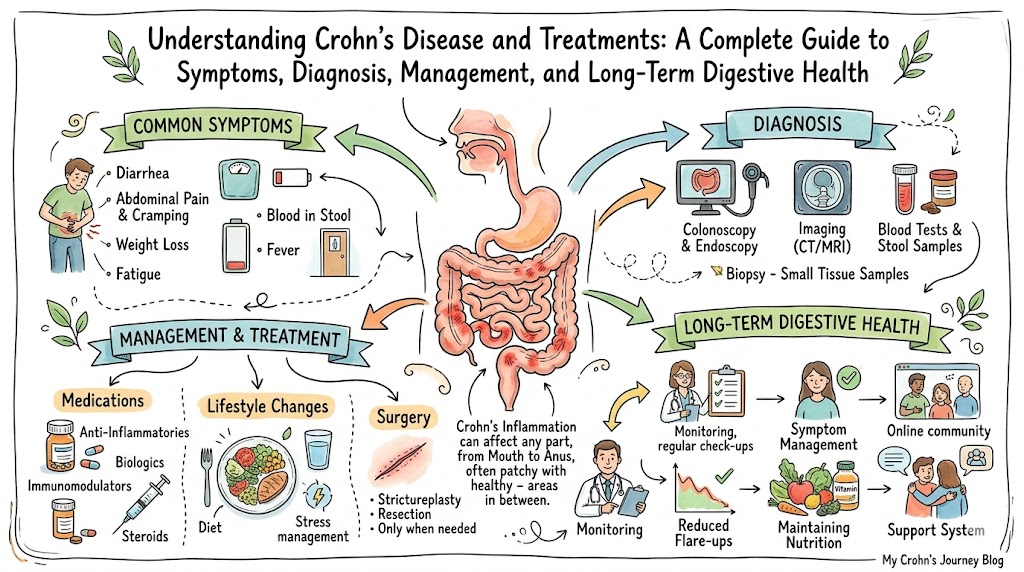
Crohn’s disease is a type of inflammatory bowel disease (IBD) that causes chronic inflammation of the gastrointestinal (GI) tract. Unlike other conditions that may be localized to the colon, Crohn’s can affect any part of the digestive tract, from the mouth to the anus.
The inflammation often penetrates deep into the layers of affected bowel tissue. It is frequently characterized by “skip lesions,” meaning healthy patches of tissue are often interspersed between inflamed areas.
Causes and Risk Factors
While the exact cause of Crohn’s disease remains a subject of intense medical research, it is generally believed to be the result of an abnormal immune system response.
- Immune System: A virus or bacterium may trigger an immune response, but the body fails to “turn off” this reaction, leading to chronic inflammation.
- Genetics: Having a family history of IBD increases the risk, suggesting a genetic predisposition.
- Environmental Factors: Lifestyle choices, dietary patterns, and exposure to pollutants play a role.
- Smoking: One of the most significant environmental risk factors that can worsen the disease course.
Common Symptoms of Crohn’s Disease
Symptoms can range from mild to severe and may develop gradually or suddenly.
- Abdominal pain: Often cramping in the lower right area.
- Chronic diarrhea: A frequent and often urgent need to use the bathroom.
- Weight loss: Resulting from poor nutrient absorption or reduced appetite.
- Fatigue: Often linked to anemia or chronic inflammation.
- Reduced appetite: A common reaction to discomfort during eating.
- Rectal bleeding: Can occur due to inflammation in the colon.
Table 1: Common Symptoms of Crohn’s Disease
| Symptom | Description | When to Seek Medical Advice |
| Abdominal Pain | Cramping or soreness | If pain becomes severe or constant |
| Diarrhea | Frequent, loose stools | If it persists for more than a few days |
| Rectal Bleeding | Blood in stool | Immediately upon discovery |
| Fatigue | Persistent exhaustion | If it impacts daily activities |
| Weight Loss | Unintentional reduction | If it occurs without dietary changes |
How Crohn’s Disease Is Diagnosed
Diagnosis requires a combination of clinical evaluation and specialized diagnostic tools.
- Blood Tests: Used to check for signs of anemia or infection.
- Stool Tests: Help rule out infections or parasites.
- Colonoscopy: Allows doctors to view the entire colon and take tissue samples (biopsies).
- Endoscopy: Used to examine the upper GI tract.
- Imaging Studies: CT scans or MRI enterography provide detailed views of the bowel walls.
Understanding Disease Severity
Disease severity is categorized based on clinical presentation and endoscopic findings. Mild disease may involve occasional symptoms, while moderate-to-severe disease involves frequent flare-ups, systemic symptoms like fever, or complications like strictures and fistulas.
Treatment Options for Crohn’s Disease
Treatment aims to reduce inflammation, minimize symptoms, and achieve long-term remission.
Table 2: Treatment Options for Crohn’s Disease
| Treatment | Purpose | Benefits |
| Anti-inflammatories | Reduce initial inflammation | Fast-acting symptom relief |
| Immunomodulators | Quiet the overactive immune system | Maintains remission |
| Biologic Therapies | Target specific proteins causing inflammation | High efficacy in complex cases |
| Surgery | Removes damaged bowel segments | Provides relief when meds fail |
Diet and Nutrition Management
Nutrition is a critical component of managing gut health. While no single diet cures the disease, personalized adjustments can reduce flare-ups.
Table 3: Foods to Include and Avoid
| Recommended Foods | Foods to Limit | Reason |
| Lean proteins (fish, chicken) | High-fiber/raw vegetables | Reduces bowel irritation |
| Well-cooked vegetables | Dairy (if lactose intolerant) | Prevents digestive distress |
| Low-fiber fruits | Fatty/fried foods | Easier on the digestive system |
Managing Flare-Ups
During a flare-up, prioritize rest and hydration. Follow the treatment plan prescribed by your gastroenterologist immediately, and stick to a bland, easy-to-digest diet.
Lifestyle Changes for Better Digestive Health
- Stress Management: Practice yoga or meditation to lower systemic stress.
- Regular Exercise: Gentle activity helps maintain overall health.
- Smoking Cessation: Essential for reducing the severity of flares.
Potential Complications
Chronic inflammation can lead to:
- Bowel Obstruction: Due to scarring (strictures).
- Fistulas: Abnormal connections between organs.
- Malnutrition: Inability to absorb necessary vitamins.
Importance of Regular Monitoring
Consistent follow-ups are vital. Regular blood work and occasional repeat colonoscopies ensure that your treatment is still effective and that the disease is not progressing silently.
Mental Health and Emotional Well-Being
Living with a chronic condition can be taxing. Engaging with support groups and mental health professionals is crucial for maintaining a high quality of life.
Preventing Disease Progression
Early diagnosis and consistent adherence to medication are the most effective strategies for preventing long-term damage to the digestive tract.
Common Myths vs Facts About Crohn’s Disease
- Myth: Crohn’s is caused by stress. Fact: Stress can worsen symptoms, but it does not cause the disease.
- Myth: A specific diet can cure Crohn’s. Fact: Diet helps manage symptoms, but medical therapy is required to treat the underlying inflammation.
Latest Advances in Crohn’s Disease Treatments
The field is evolving toward “treat-to-target” strategies, where therapy is adjusted based on clinical, biomarker, and endoscopic evidence rather than just symptom relief.
Future of IBD Care
Research into the gut microbiome and more precise targeted therapies holds promise for personalized medicine that addresses the unique genetic profile of each patient.
Expert Recommendations
- Stay proactive with checkups.
- Keep a food and symptom diary.
- Never stop medication without consulting your doctor.
Patient Self-Care Checklist
Table 4: Crohn’s Disease Management Checklist
| Activity | Purpose | Benefits |
| Daily Symptom Log | Track potential triggers | Identifies patterns |
| Medication Reminders | Ensure consistency | Prevents breakthrough flares |
| Stress Reduction | Calm the gut-brain axis | Improves quality of life |
| Hydration Tracking | Prevent dehydration | Supports energy levels |
Daily Self-Care Routine:
- Monitor bowel habits every morning.
- Take medications at the same time each day.
- Eat smaller, frequent meals.
- Schedule 15 minutes of relaxation.
Benefits of Early Diagnosis and Treatment
Early intervention prevents irreversible damage to the intestinal lining, reduces the need for emergency surgery, and significantly improves long-term health outcomes.
Key Takeaways
- Understanding Crohn’s disease requires a multidisciplinary approach.
- Early medical intervention is critical for long-term health.
- Lifestyle and diet play supportive roles in managing daily symptoms.
- Modern medicine offers effective tools to achieve deep remission.
Frequently Asked Questions
- Can Crohn’s be cured? Currently, no, but it can be managed effectively into long-term remission.
- Is Crohn’s disease fatal? With proper medical care, it is rarely fatal.
- Does smoking make it worse? Yes, smoking is significantly linked to worse outcomes.
- Are there natural remedies? They may support, but they cannot replace standard medical treatment.
- Is it the same as Ulcerative Colitis? No, though both are IBDs, they affect the body differently.
- Can I lead a normal life? Yes, most patients live full, active lives.
- What is a flare-up? A period where symptoms intensify.
- How often should I see my doctor? Usually every 3–6 months depending on disease status.
- Should I avoid dairy? Many patients do, but it depends on your specific tolerance.
- Can I have children? Yes, pregnancy is possible with proper planning and doctor supervision.
- What is a biologic? A specialized medication that targets specific immune proteins.
- Does exercise help? Light exercise is generally beneficial.
- Is alcohol harmful? It can trigger symptoms in many people.
- How do I find a specialist? Use resources like GastroHospitals.com to search for experts.
- What are the first signs? Often cramping, diarrhea, and fatigue.
- Is it hereditary? Genetics are a risk factor.
- What is a stricture? A narrowing of the bowel due to scarring.
- Can I eat at restaurants? Yes, with careful menu selection.
- What is the goal of treatment? To achieve mucosal healing.
- Does weather affect it? No direct link, but systemic health is key.
Conclusion
Managing Crohn’s disease is a lifelong commitment that requires a partnership between the patient and their healthcare team. Throughout this guide, we have explored the multifaceted nature of this condition—from the initial diagnosis and the identification of systemic symptoms to the advanced treatment options that now allow patients to achieve prolonged periods of remission.The importance of early diagnosis and treatment cannot be overstated. By catching the disease in its early stages, patients have the best opportunity to prevent permanent structural changes to their digestive tract, such as strictures or fistulas, which often necessitate surgical intervention. Through the use of anti-inflammatory medications, immunomodulators, and cutting-edge biologic therapies, the modern approach to IBD management is focused on achieving “mucosal healing,” which essentially means repairing the gut lining and returning the digestive system to a state of calm.