Introduction
The prevalence of digestive complaints and stomach-related health issues has increased notably on a global scale. In today’s fast-paced environment, poor dietary habits, irregular schedules, chronic stress, and a reliance on heavily processed foods have turned minor abdominal issues into frequent medical consultations. Almost everyone experiences a passing bout of indigestion or bloating, but a growing number of individuals now deal with persistent, daily issues that impact their productivity, sleep quality, and overall well-being.
Achieving lasting digestive wellness requires a focus on early diagnosis. Many people tend to dismiss recurring abdominal signals as basic discomfort that can be managed with quick, over-the-counter quick fixes. However, understanding common stomach disorders in their initial stages can prevent minor irritations from developing into deeper, more complicated gastrointestinal conditions that are far more difficult to manage later in life.
When dealing with chronic symptoms, specialized digestive health hospitals play an important role. General health clinics provide excellent primary evaluations, but specialized gastrointestinal facilities offer the targeted expertise, controlled medical environments, and high-definition diagnostic equipment needed to precisely evaluate the complex, internal pathways of the human digestive tract.
Accessing accurate, objective medical information is essential for patients navigating these issues. Dedicated education portals like GastroHospitals serve as a helpful bridge, allowing individuals and families to research advanced clinical resources, learn about modern diagnostic procedures, and find verified gastroenterology specialists. This supportive approach empowers patients to address their symptoms proactively and safely.
Consider a realistic patient scenario: A young professional experiences recurring upper abdominal pain and a burning sensation after meals. Assuming it is simple work-related stress acidity, they regularly take over-the-counter antacids for months, masking the underlying issue. If they continue down this path of self-medication, an undiagnosed peptic ulcer could steadily deepen, eventually leading to sudden internal bleeding or localized tissue scarring. In contrast, if that same individual seeks a comprehensive evaluation at a specialized gastrointestinal facility, a quick diagnostic test can identify an active H. pylori bacterial infection. The medical team can then prescribe a targeted course of antibiotics and mucosal protectants, clearing the infection permanently and allowing the stomach lining to heal completely. This guide outlines how specialized facilities evaluate and manage common stomach disorders to help patients achieve long-term digestive health.
What Are Common Stomach Disorders?
Stomach and intestinal disorders encompass a wide range of medical conditions that alter the regular structure or functional performance of the human gastrointestinal tract.
Definition of Gastrointestinal Disorders
Gastrointestinal disorders refer to any medical condition that disrupts the smooth, coordinated process of ingestion, digestion, absorption, or waste elimination. These conditions are generally divided into two main categories: functional disorders, where the digestive tract looks structurally normal but does not move or function correctly (such as Irritable Bowel Syndrome), and structural disorders, where visible physical changes, inflammation, or tissue damage are present (such as peptic ulcers or severe gastritis).
Role of Digestive System in Overall Health
The digestive system serves as the foundational engine for your entire body. Beyond breaking down meals into basic cellular energy, the gastrointestinal tract houses a significant portion of the body’s immune cells and plays a major role in synthesizing key neurotransmitters. A well-functioning gut microbiome supports systemic immune responses, helps regulate mood patterns, and maintains proper metabolic balance across all major organ systems.
Types of Stomach-Related Diseases
Medical professionals categorize common stomach disorders based on the specific region of the digestive tract they impact and their underlying biological mechanisms. These include:
- Upper Gastrointestinal Motility Issues: Conditions like acid reflux (GERD) or gastroparesis, where the coordination of muscular contractions or valve closures is altered.
- Mucosal Inflammatory Conditions: Inflammatory states such as acute or chronic gastritis and peptic ulcer disease, which damage the protective inner lining of the stomach.
- Functional Lower Bowel Syndromes: Complex conditions like Irritable Bowel Syndrome (IBS) that alter bowel patterns and cause abdominal discomfort without showing visible tissue damage on standard visual scans.
- Hepatobiliary and Pancreatic Insufficiencies: Secondary digestive issues stemming from liver sluggishness, gallbladder stones, or reduced pancreatic enzyme production.
Importance of Early Detection and Diagnosis
Catching a digestive condition early helps prevent permanent tissue changes. For instance, addressing chronic acid reflux in its initial stages prevents stomach acid from continuously irritating the lower esophagus, reducing the long-term risk of developing abnormal cellular adjustments known as Barrett’s esophagus. Early treatment shifts the clinical approach from complex management to straightforward recovery.
How Gastro Specialists Evaluate Symptoms
Gastroenterology specialists use a careful, multi-stage evaluation process to understand a patient’s symptoms. Instead of relying on a single symptom report, they look at the patient’s full medical history, evaluate family risk factors, check for warning signals like unexpected weight loss, and use targeted diagnostic tracking to differentiate between basic dietary intolerances and chronic structural issues.
┌─────────────────────────────────────────────────────────────────────────┐
│                    GASTROINTESTINAL EVALUATION STEPS                    │
├─────────────────────────────────────────────────────────────────────────┤
│  • Patient History Mapping   ──► Tracks symptom timing, diet, and stress│
│  • Serological Screening     ──► Tests for systemic markers & infections│
│  • Stool Biomarker Analysis  ──► Evaluates hidden inflammation levels   │
│  • High-Definition Endoscopy ──► Provides direct visual lining checks   │
└─────────────────────────────────────────────────────────────────────────┘
Diagnostic Tools Used in Hospitals
Modern digestive health centers use a comprehensive suite of diagnostic tools to see inside the gastrointestinal tract clearly. These tools include non-invasive ultrasound imaging to evaluate the liver and gallbladder, specialized breath tests to detect bacterial overgrowth or H. pylori infections, high-resolution CT scans of the abdomen, and direct visual endoscopic procedures that allow doctors to examine the delicate mucosal lining down to the millimeter.
Why Gastroenterology Hospitals Matter
The clinical environment where you receive stomach pain treatment significantly impacts both the accuracy of your diagnosis and the long-term success of your recovery plan.
Accurate Diagnosis of Digestive Issues
The human abdomen houses several major organs, meaning that generic pain in the upper or lower stomach can stem from multiple different sources. A dedicated gastrointestinal center provides the specific testing tools needed to determine whether your discomfort is caused by a stomach ulcer, a gallbladder issue, pancreatic insufficiency, or a functional nerve condition, ensuring your treatment targets the correct source.
Specialized Gastroenterology Expertise
Dedicated digestive clinics employ board-certified gastroenterologists, hepatologists, and gastrointestinal surgeons who focus entirely on the complex workings of the gut. These specialists undergo years of advanced training, giving them the experience needed to recognize subtle clinical indicators, interpret complex tissue biopsy results, and manage less common digestive conditions effectively.
Advanced Endoscopy and Imaging Systems
Premier gastroenterology hospitals invest in the latest generations of diagnostic equipment. Rather than relying on basic medical equipment, these specialized facilities feature dedicated endoscopy suites equipped with high-definition video systems, narrow-band imaging, and microscopic biopsy tools that allow clinicians to identify, evaluate, and treat early mucosal changes during a single, controlled procedure.
Faster Treatment Planning
When a patient presents with severe gastric disorder symptoms, a specialized facility can quickly coordinate care. Having diagnostic laboratories, imaging suites, endoscopy clinics, and clinical dietitians all in one location allows the medical team to interpret test results rapidly and implement a personalized treatment plan without unnecessary delays.
Prevention of Complications
Choosing an accredited hospital environment helps minimize the risks of long-term complications. For conditions like chronic ulcerative colitis or deep peptic ulcers, a specialized team can implement proactive medical management, monitor tissue healing closely, and step in with targeted interventions before serious issues like internal bleeding or tissue blockages can develop.
Continuous Patient Monitoring
For patients dealing with severe, acute digestive crises—such as severe acute pancreatitis or active upper gastrointestinal bleeding—leading hospitals provide specialized gastrointestinal intensive care beds. These units feature continuous vital sign tracking, specialized fluid management systems, and twenty-four-hour access to on-call interventional endoscopists to ensure maximum patient safety.
┌─────────────────────────────────────────────────────────────────────────┐
│                       SPECIALIZED GASTRO HOSPITAL VS. GENERAL CLINIC    │
├─────────────────────────────────────────────────────────────────────────┤
│  Specialized Gastro Center         │  General Medical Practice          │
│  ─────────────────────────         │  ────────────────────────          │
│  • HD Narrow-Band Endoscopy Suites │  • External Palpation & Referral   │
│  • In-House Gastro Pathology Labs  │  • Outsourced General Blood Panels │
│  • Integrated Clinical Nutrition   │  • Standard Generic Dietary Advice │
│  • Dedicated GI Emergency Care     │  • Transfer to General Emergency   │
└─────────────────────────────────────────────────────────────────────────┘
Common Stomach Disorders Explained
To manage digestive health effectively, it helps to understand the distinct causes, primary symptoms, and typical clinical pathways associated with the most common gastrointestinal conditions.
+-------------------------------------------------------------------------+
│                    PRIMARY STOMACH DISORDERS PROFILE                    │
+-------------------------------------------------------------------------+
│  [GERD / Reflux] ──► Weak lower esophageal sphincter; acid irritates    │
│  [Gastritis]     ──► Inflamed stomach lining; burning pain and nausea   │
│  [IBS Syndrome]  ──► Functional gut-brain disconnect; irregular motility│
│  [Peptic Ulcers] ──► Deep open sores in mucosa; painful when empty      │
+-------------------------------------------------------------------------+
Acid Reflux (GERD)
Gastroesophageal Reflux Disease, commonly known as GERD, occurs when the circular band of muscle at the bottom of your esophagus—the lower esophageal sphincter—becomes weak or relaxes inappropriately. This structural weakness allows caustic stomach acid and partially digested food to flow backward into the sensitive lining of the esophagus. The primary symptom is a burning sensation in the chest (heartburn), often accompanied by a sour taste in the mouth, chronic coughing, or difficulty swallowing after heavy meals.
Gastritis
Gastritis refers to a localized or widespread inflammation of the stomach’s protective mucosal lining. This condition can develop suddenly (acute gastritis) or progress slowly over months or years (chronic gastritis). It is frequently caused by a common bacterial infection (Helicobacter pylori), the regular use of nonsteroidal anti-inflammatory drugs (NSAIDs), or excessive alcohol intake. Symptoms typically present as a gnawing or burning pain in the upper abdomen, persistent nausea, vomiting, and a feeling of uncomfortable fullness immediately after eating.
Irritable Bowel Syndrome (IBS)
Irritable Bowel Syndrome is a common functional gastrointestinal disorder that stems from a communication disconnect between the brain and the gut’s nervous system. In patients with IBS, the muscular walls of the intestines may contract too quickly or too slowly, leading to irregular bowel habits. The condition is categorized into IBS-C (predominantly constipation), IBS-D (predominantly diarrhea), or IBS-M (mixed patterns). Symptoms include recurring abdominal pain, cramping, bloating, and gas, which are often temporarily relieved after a bowel movement.
Peptic Ulcers
Peptic ulcers are open sores or deep erosions that develop on the inner protective lining of your stomach (gastric ulcers) or the upper section of your small intestine (duodenal ulcers). These sores form when the stomach’s natural protective mucus layer is worn away by the corrosive effects of digestive acids, typically due to an underlying H. pylori bacterial infection or prolonged use of pain medications. The classic symptom is a burning, empty stomach pain that worsens when the stomach is empty, particularly between meals or during the night.
Constipation and Diarrhea Disorders
Chronic variations in bowel motility can indicate an underlying digestive imbalance. Chronic constipation occurs when stool moves too slowly through the colon, causing it to become dry, hard, and painful to pass. Chronic diarrhea involve loose, watery stools persisting for several weeks, which can stem from food malabsorption, chronic infections, or microscopic bowel inflammation. Both conditions require careful medical evaluation to rule out structural issues and restore proper fluid balance.
Liver-Related Digestive Issues
Because the liver produces bile—the essential fluid needed to break down and absorb dietary fats—underlying liver sluggishness can lead to secondary stomach symptoms. Conditions like fatty liver disease, early cirrhosis, or gallbladder sluggishness can present as chronic bloating, upper right abdominal discomfort, a poor appetite, and an inability to tolerate fatty meals, highlighting the need for comprehensive liver and stomach care.
Modern Gastroenterology Hospital Systems
The operational precision of a dedicated digestive health facility relies on integrated hospital networks that connect diagnostic testing directly with patient care.
Endoscopy and Colonoscopy Systems
Modern endoscopy clinics use high-definition, flexible video endoscopes that allow physicians to view the entire inner lining of the upper and lower digestive tracts clearly. These advanced scopes feature slim designs and integrated light arrays that deliver crisp, real-time images to high-resolution monitors, allowing doctors to spot subtle tissue changes, perform precise biopsies, and remove early polyps safely and comfortably.
Digital Digestive Imaging Tools
Beyond direct visual scopes, premier gastro centers utilize advanced digital imaging systems. These include specialized, low-dose CT enterography scans that map out the entire length of the small intestine, high-resolution abdominal ultrasounds to check the structure of the liver and pancreas, and specialized magnetic resonance imaging (MRCP) to view the bile ducts and gallbladder without requiring invasive contrast steps.
AI-Based Diagnostic Assistance
Artificial intelligence is playing an increasingly valuable role in modern endoscopy workflows. Advanced software tools analyze real-time video feeds during diagnostic colonoscopies, using intelligent algorithms to highlight tiny, hard-to-see polyps or subtle mucosal changes that might otherwise be missed. This supportive layer adds an extra check to maximize diagnostic accuracy for patients.
Patient History Tracking Systems
Gastrointestinal conditions are often chronic and require long-term management, making integrated electronic medical record systems essential. These secure digital tracking platforms store your complete history of diagnostic scans, pathology biopsy findings, past endoscopic videos, and medication logs, ensuring that your entire care team has access to the information needed to guide your treatment safely over time.
Advanced Lab Testing Systems
To evaluate digestive health comprehensively, leading hospitals use advanced laboratory facilities. These specialized labs perform high-precision breath tests to detect small intestinal bacterial overgrowth (SIBO), conduct specialized stool tests to measure specific markers of intestinal inflammation like calprotectin, and analyze liver function panels to identify any metabolic issues early.
Minimally Invasive Treatment Methods
When structural issues require surgical intervention, modern gastroenterology centers focus on using minimally invasive techniques. Utilizing advanced laparoscopic and specialized endoscopic therapeutic tools, surgeons can repair complex hernias, remove damaged segments of tissue, or clear bile duct blockages through tiny incisions, which helps minimize post-operative discomfort and supports a faster recovery.
┌─────────────────────────────────────────────────────────────────────────┐
│                      MODERN DIGESTIVE IMAGING PATHWAY                   │
├─────────────────────────────────────────────────────────────────────────┤
│  • HD Video Endoscopy ──► High-resolution mucosal surface inspection   │
│  • Narrow-Band Tech   ──► Highlights micro-vascular patterns in tissue  │
│  • AI Polyp Detection ──► Automated real-time tracking during scans     │
│  • Core Biopsy Array  ──► Cellular verification of inflammatory markers │
└─────────────────────────────────────────────────────────────────────────┘
Technology in Digestive Care
The integration of advanced optical engineering and computer-guided diagnostics into gastroenterology has turned digestive care into a highly precise and objective medical field.
- High-Definition Endoscopy Systems: Utilizing specialized multi-LED light arrays and narrow-band imaging, these advanced scopes project clear images of the mucosal lining onto medical monitors, helping physicians identify early tissue changes with confidence.
- Capsule Endoscopy Technology: This innovative diagnostic tool involves swallowing a vitamin-sized capsule equipped with a miniature video camera. As it passes naturally through the digestive tract, it captures thousands of high-definition images of the small intestine, providing a non-invasive way to evaluate areas that are difficult to reach with standard scopes.
- AI-Assisted Disease Detection: Specialized computer algorithms analyze real-time endoscopic video feeds, cross-referencing surface patterns against extensive databases of verified cases to help clinicians identify and evaluate subtle signs of gastritis or early ulcers during procedures.
- Smart Diagnostic Imaging Tools: Advanced cross-sectional scanners provide detailed 3D views of the abdominal organs, allowing specialists to inspect the structure of the liver, pancreas, and intestinal walls without causing discomfort to the patient.
- Advanced Biopsy Systems: Modern endoscopic tools include microscopic forceps and fine-needle aspiration instruments that allow specialists to collect small, precise tissue samples from deep within the digestive tract, ensuring accurate evaluation by pathology teams.
- Real-Time Monitoring Systems: Specialized monitoring units track a patient’s internal pH levels and esophageal pressure over a twenty-four-hour period, providing objective data to measure the severity of acid reflux and guide treatment planning.
Benefits of Choosing the Right Gastro Hospital
Investing time and effort into choosing an accredited gastroenterology hospital provides significant benefits for both your immediate comfort and your long-term digestive well-being.
Accurate and Early Diagnosis
The primary benefit of choosing a dedicated digestive health hospital is the accuracy of your diagnostic workup. The combination of advanced high-definition scopes, specialized laboratory panels, and experienced physicians ensures that the root cause of your stomach pain treatment is identified correctly, avoiding the frustration of guesswork.
Better Treatment Outcomes
Gastroenterology specialists at premier centers design comprehensive care plans tailored to your specific diagnosis. By combining targeted medical therapies, advanced endoscopic treatments, and evidence-based clinical protocols, these specialized centers help patients achieve faster symptom relief and more stable, long-term recovery outcomes.
Reduced Complications
Through proactive monitoring programs, specialized laboratory checks, and precise diagnostic imaging, an accredited gastrointestinal center can spot subtle signs of worsening inflammation or tissue strain early, adjusting your care plan to prevent serious issues like deep ulcer bleeding or severe bowel blockages.
Specialized Digestive Care
A dedicated facility focuses entirely on the complex workings of the gastrointestinal system. From the nursing staff in the endoscopy clinic to the technicians in the diagnostic laboratory, every team member understands the nuances of digestive care, creating a supportive and professional environment for your treatment.
Advanced Medical Technology Access
Choosing a leading hospital gives you access to modern advancements in gastrointestinal care, such as capsule endoscopy, narrow-band tissue imaging, and minimally invasive laparoscopic techniques, ensuring your diagnostic and treatment options are up to date and effective.
Personalized Diet and Treatment Plans
Achieving lasting digestive wellness often requires looking beyond medications alone. Top-tier gastroenterology clinics integrate certified clinical dietitians directly into your care team, providing personalized nutritional plans that complement your medical therapies and support long-term digestive health.
Risks and Realistic Expectations
A responsible approach to managing your digestive health requires a clear, practical understanding of the diagnostic process, the nature of chronic recovery, and the limits of medical treatments.
Mild Discomfort During Procedures
It is completely normal to expect a mild degree of temporary discomfort during or immediately after diagnostic evaluations like an endoscopy or colonoscopy. While modern sedative medications ensure you remain relaxed and pain-free during the actual scan, you may experience a mild sore throat, a feeling of abdominal bloating, or minor gas for a few hours afterward as your body naturally clears the air used during the procedure.
Lifestyle Dependency for Recovery
Patients must recognize that medications alone cannot fully resolve chronic digestive issues if underlying trigger habits remain unchanged. While prescribed treatments provide necessary, early relief from acidity, gastritis, or ulcers, achieving lasting structural healing depends heavily on your willingness to adjust your daily routines, manage stress levels, and follow a balanced diet.
Need for Dietary Changes
Managing common stomach disorders effectively often involves making meaningful adjustments to your relationship with food. Depending on your specific diagnosis, you may need to identify and minimize personal food triggers, reduce your intake of processed or heavily spiced meals, limit caffeine and alcohol, and adopt structured eating patterns to support your stomach’s natural healing process.
Chronic Nature of Some Disorders
Conditions like Irritable Bowel Syndrome (IBS) or chronic acid reflux are long-term, structural or functional tendencies within the body that cannot be permanently wiped away with a single course of pills. The realistic goal of medical treatment is to bring these symptoms under control, manage flare-ups effectively, and restore a comfortable quality of life through a combination of regular medical care and consistent daily habits.
Importance of Follow-Up Care
Achieving stable digestive wellness is an ongoing process that benefits from regular communication with your healthcare team. It is important to attend all scheduled follow-up visits, even after your immediate symptoms improve, so your gastroenterology specialist can monitor your tissue recovery, adjust your medication balances, and verify that your digestive system is functioning smoothly over time.
Avoiding Self-Medication Risks
Relying continuously on over-the-counter antacids, laxatives, or herbal digestives without a professional diagnosis carries significant health risks. While these quick remedies provide temporary relief, they can mask warning signs of deeper issues like hidden ulcers or chronic inflammation, delaying accurate diagnosis and leading to more complex challenges down the road.
┌─────────────────────────────────────────────────────────────────────────┐
│                      CHRONIC CARE HEALING MATRIX                        │
├─────────────────────────────────────────────────────────────────────────┤
│  • Medication Guide    ──► Use as directed; do not stop abruptly        │
│  • Trigger Log         ──► Track meals, stress levels, and symptoms     │
│  • Hydration Standard  ──► Maintain steady water intake between meals   │
│  • Follow-Up Routine   ──► Attend scheduled scans to verify healing     │
└─────────────────────────────────────────────────────────────────────────┘
Common Mistakes Patients Make
Understanding the frequent pitfalls patients encounter when managing abdominal health issues helps individuals approach their digestive care journey with greater awareness and safety.
- Ignoring Early Stomach Symptoms: Dismissing persistent upper abdominal burning, changes in bowel habits, or recurring nausea as simple indigestion can allow underlying issues to progress, missing the opportunity for an easy, early intervention.
- Overusing Acidity Medicines: Regularly taking over-the-counter proton pump inhibitors or antacids for months without a doctor’s guidance can alter your stomach’s natural acid balance, affecting nutrient absorption and masking deeper structural conditions.
- Delaying Endoscopy Tests: Postponing a recommended diagnostic endoscopy due to anxiety about the procedure can leave active ulcers or tissue inflammation unverified, delaying the development of an accurate, targeted treatment plan.
- Poor Diet Habits: Continuing to consume high volumes of fried foods, irregular heavy meals, or highly processed items while expecting prescription medications to completely resolve chronic gastritis or reflux can hinder your recovery.
- Self-Diagnosis Without Doctors: Relying entirely on internet searches or advice from friends to diagnose complex abdominal symptoms can lead to confusion, unnecessary dietary restrictions, or the incorrect use of unapproved home remedies.
- Not Following Treatment Plans: Stopping prescribed mucosal protectants or antibiotics early the moment your immediate burning pain improves can leave underlying bacterial infections partially active, often resulting in a return of symptoms.
Best Practices for Digestive Health
Supporting your gastrointestinal system relies on maintaining a disciplined, protective daily routine that allows your digestive organs to function smoothly and efficiently.
Healthy Balanced Diet
Build your daily nutrition around whole, nutrient-dense foods that support smooth digestion. Focus on incorporating plenty of soluble fiber from fresh vegetables, oats, and non-citrus fruits, choose lean proteins like fish or poultry, and include gut-friendly options like plain yogurt, while keeping processed additives and trans fats to a minimum.
Regular Meal Timing
Your digestive tract operates best on a predictable, rhythmic schedule. Aim to eat your breakfast, lunch, and dinner at roughly the same times each day, space your meals evenly to prevent acid buildup on an empty stomach, and finish your evening meal at least two to three hours before lying down to reduce the risk of nighttime acid reflux.
Avoiding Oily and Spicy Food
Minimize your intake of heavily fried, greasy, or deeply spiced dishes, as high amounts of dietary fats delay stomach emptying, placing extra pressure on the lower esophageal valve. Additionally, intense spices can directly irritate a sensitive or inflamed stomach lining, making it harder for gastritis or ulcers to heal cleanly.
Staying Hydrated
Maintain a steady intake of clean water throughout the day to support your digestive processes. Drinking adequate fluids helps keep the mucosal lining of your stomach well-hydrated, assists in the proper absorption of nutrients, and supports natural bowel motility to prevent constipation, though it is best to avoid drinking large volumes of water directly during heavy meals.
Stress Management
Because the brain and the gut are closely connected through an extensive network of nerves, chronic psychological stress can directly alter your digestive motility, increase stomach acid production, and worsen conditions like IBS. Dedicate time each day to simple stress-reducing practices, such as gentle walking, deep breathing exercises, or regular sleep habits, to help keep your digestive system balanced.
Regular Medical Checkups
Schedule routine evaluations with your healthcare team to keep your digestive wellness on track, especially if you have a family history of gastrointestinal conditions. Proactive checkups allow your doctor to monitor your metabolic health, review your dietary habits, and identify any minor digestive changes early, supporting long-term health and peace of mind.
Real-World Healthcare Use Cases
Examining standard clinical scenarios illustrates how specialized gastrointestinal care and structured treatment pathways support recovery across various patient needs.
Chronic Acidity Treatment Cases
A 34-year-old corporate professional presents with a two-year history of severe chest burning and a sour throat that worsens during late-night hours. Having regularly used over-the-counter antacids with declining relief, they seek specialized help at an accredited digestive health facility. The gastroenterologist performs a diagnostic endoscopy, which reveals mild esophageal inflammation and a weak lower esophageal sphincter. Instead of relying on high-dose medications alone, the team implements a coordinated plan combining a targeted course of acid-suppressing medication with personalized lifestyle guidance from a clinical dietitian, resulting in lasting relief within weeks.
IBS Management Programs
An individual dealing with unpredictable bowel habits, frequent bloating, and recurring lower abdominal pain finds that their symptoms are beginning to disrupt their daily work travel. They visit a specialized endoscopy and gastroenterology clinic for evaluation. After completing routine stool tests and a screening colonoscopy to rule out structural inflammation, the specialist diagnoses IBS-D. The patient is enrolled in a structured gut-health management program that combines low-dose motility regulators with a personalized, low-FODMAP dietary framework and targeted stress management, helping them regain consistent control over their daily routine.
Ulcer Diagnosis and Recovery
A 48-year-old patient develops a persistent, gnawing pain in their upper abdomen that becomes particularly sharp when their stomach is empty between meals. They consult a gastroenterology center, where the medical team schedules a high-definition upper endoscopy. The scan reveals a clear, five-millimeter duodenal ulcer, and an accompanying rapid urease test confirms the presence of an H. pylori bacterial infection. The patient is prescribed a precise, two-week combination antibiotic and proton pump inhibitor regimen, followed by a healing phase, which completely clears the infection and allows the ulcer to heal cleanly.
Liver-Related Digestive Care
A patient with an established history of mild non-alcoholic fatty liver disease presents with persistent abdominal bloating, an uncomfortably slow digestion rate, and a poor appetite after consuming meals containing healthy fats. A comprehensive evaluation at a dedicated liver and stomach care center reveals that sluggish bile flow is contributing to their upper digestive symptoms. The clinical team implements a combined care plan focused on gradual, structured weight management, liver-supporting medical therapies, and a modified dietary structure, which successfully improves their liver function markers and resolves their chronic digestive discomfort.
Emergency Stomach Pain Diagnosis
A 60-year-old individual experiences a sudden, severe onset of sharp upper abdominal pain accompanied by persistent vomiting, causing significant concern for their family. They are taken directly to the emergency department of a specialized gastroenterology hospital. The on-call gastrointestinal team moves quickly, performing immediate blood panels and a high-resolution abdominal CT scan within an hour of admission. The tests identify acute gallbladder inflammation caused by a small, migrating gallstone. This rapid diagnosis allows the surgical team to perform a safe, minimally invasive laparoscopic removal the following morning, ensuring a smooth recovery.
Long-Term Digestive Rehabilitation
Following a severe, acute gastrointestinal infection contracted during international travel, an individual struggles with a highly sensitive stomach, frequent food intolerances, and ongoing nutritional deficiencies for several months. They seek guidance from a dedicated digestive health facility to support their recovery. The clinical team designs a personalized, long-term digestive rehabilitation program focused on systematically rebuild their gut health through a phased dietary introduction plan, targeted high-quality probiotic support, and regular nutritional monitoring, helping them return comfortably to their normal lifestyle.
Future of Gastroenterology Care
The field of gastroenterology is advancing rapidly, driven by technological innovations that promise to make digestive diagnostics more precise, less invasive, and highly personalized.
- AI-Based Digestive Disease Prediction: Future gastroenterology platforms will increasingly utilize advanced artificial intelligence models to analyze your historical medical records, genetic factors, and metabolic profiles. By identifying subtle patterns early, these smart systems will assist specialists in predicting risks for chronic conditions, allowing for highly targeted preventive care before symptoms develop.
- Smart Endoscopy Systems: Next-generation endoscopy suites will incorporate real-time, automated computer vision overlays. As the physician guides the scope, integrated AI algorithms will instantly analyze the mucosal surface texture, automatically highlighting tiny areas of inflammation or subtle structural variations to help maximize diagnostic accuracy during the procedure.
- Non-Invasive Diagnostic Tools: Ophthalmic and gastrointestinal research is moving toward advanced, non-invasive testing methods. Future diagnostic pathways may utilize highly sensitive breath analysis systems or advanced multi-biomarker stool panels capable of identifying specific digestive conditions and tracking intestinal healing without requiring routine, repetitive endoscopic scans.
- Personalized Gut Health Treatments: The future of managing chronic disorders like IBS will focus heavily on personalized medicine. By analyzing a patient’s unique gut microbiome blueprint down to the bacterial strain, clinical teams will be able to design customized therapeutic plans, pairing specific prebiotics and tailored nutritional frameworks to support optimal digestive balance.
- Digital Digestive Health Tracking: Post-procedure care and chronic disease management will increasingly connect with digital health networks. Patients will use secure mobile applications and wearable biometric sensors to log daily symptom patterns, hydration levels, and dietary entries, streaming real-time information to their gastrointestinal care team to support timely adjustments.
- Advanced Preventive Gastro Care Systems: Emerging advancements in molecular diagnostics will allow specialized hospitals to screen for microscopic cellular changes using a simple blood sample. This early detection capability will support proactive care, helping specialists manage gastrointestinal wellness smoothly and protect long-term health.
FAQs (15 Questions)
1. What are common stomach disorders?
Common stomach disorders encompass a broad group of structural or functional medical conditions that alter the normal performance of the human gastrointestinal tract. These include acid reflux (GERD), which causes chronic heartburn; gastritis, which involves an inflamed stomach lining; peptic ulcers, which are painful open sores in the stomach or small intestine; and Irritable Bowel Syndrome (IBS), a functional condition that causes irregular bowel habits, bloating, and abdominal discomfort.
2. Is acid reflux dangerous?
Occasional acid reflux is common and generally manageable, but chronic, untreated acid reflux (GERD) can lead to more serious health issues over time. Continuous exposure to corrosive stomach acid can irritate the lower esophagus, leading to painful swallowing, localized scar tissue formation, or a condition called Barrett’s esophagus, which requires periodic medical monitoring to support long-term safety.
3. How is IBS treated?
Because Irritable Bowel Syndrome is a functional condition, treatment focuses on managing symptoms effectively through a combination of lifestyle changes and targeted medical care. This often involves identifying and avoiding personal dietary triggers using a low-FODMAP food framework, increasing dietary fiber, managing stress levels, and using specific medications prescribed by a doctor, such as antispasmodics or motility regulators, to keep digestion smooth.
4. When should I see a gastro doctor?
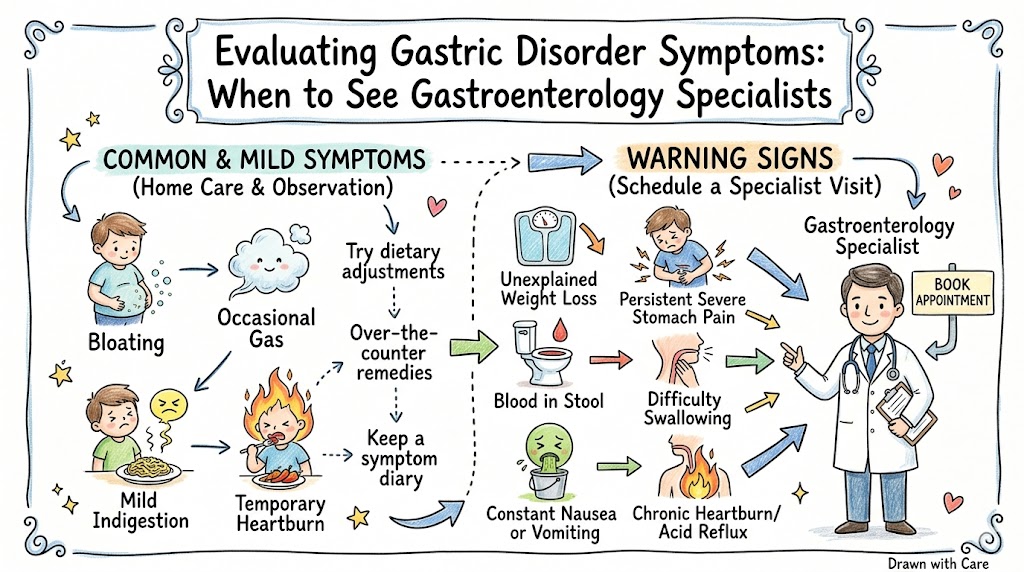
You should schedule a consultation with a gastroenterology specialist if you experience persistent abdominal symptoms lasting more than two weeks, such as recurring stomach pain, frequent heartburn, chronic changes in your bowel habits, or persistent bloating. Additionally, seek immediate medical evaluation if you experience warning signs like unexplained weight loss, difficulty swallowing, severe unmanageable pain, or blood in your stool.
5. What causes chronic stomach pain?
Chronic stomach pain can stem from several distinct sources within the abdomen. It is frequently caused by persistent inflammation of the stomach lining (chronic gastritis), undiagnosed peptic ulcers, gallbladder sluggishness or stones, chronic food intolerances, or functional nerve sensitivities within the gut, such as Irritable Bowel Syndrome, highlighting the importance of a professional diagnostic workup.
6. Is an endoscopy painful?
No, a diagnostic upper endoscopy is not a painful procedure. Before the scan begins, the clinical team applies a localized numbing spray to the back of your throat and administers a mild, short-acting sedative medication through an IV line. This ensures that you remain relaxed, comfortable, and pain-free throughout the short procedure, and most patients have little to no memory of the scan afterward.
7. What is the difference between gastritis and a peptic ulcer?
Gastritis is a broad, localized or superficial inflammation across the protective inner lining of the stomach wall. A peptic ulcer is a deeper, more advanced focal erosion that creates an open sore through the mucosal layers of the stomach or the upper small intestine, often causing a sharp, burning pain when the stomach is empty.
8. How does an H. pylori infection cause stomach issues?
Helicobacter pylori is a common type of bacteria that adapts to survive within the highly acidic environment of the human stomach. Once established, the bacteria can disrupt the stomach’s natural protective mucus layer, allowing caustic digestive acids to directly irritate the underlying tissue cells, which frequently leads to chronic gastritis or peptic ulcers if left untreated.
9. What is a capsule endoscopy, and how does it work?
A capsule endoscopy is a modern, non-invasive diagnostic procedure where the patient swallows a vitamin-sized capsule equipped with a miniature video camera and light source. As the capsule moves naturally through your digestive tract over several hours, it records high-definition images of the small intestine—an area that is difficult to reach with standard scopes—and transmits the data to a recording device worn on a belt.
10. Can stress cause structural stomach disorders?
Chronic psychological stress does not directly create physical holes like a peptic ulcer on its own, but it significantly alters how your digestive system functions. Elevated stress levels trigger increased production of caustic stomach acid, reduce blood flow to the digestive organs, and disrupt natural bowel motility, which can worsen existing inflammation, delay tissue healing, and trigger intense flare-ups of conditions like GERD or IBS.
11. What are the common side effects after a colonoscopy?
Following a standard colonoscopy, patients may experience mild, temporary symptoms for a few hours, such as a feeling of abdominal bloating, mild cramping, or gas. This is a normal result of the air used to gently expand the intestinal pathway during the procedure to ensure clear visualization. Walking around helps clear the air comfortably, and these minor symptoms typically resolve quickly.
12. Are over-the-counter acidity pills safe for long-term use?
Over-the-counter acidity medications, such as proton pump inhibitors or antacids, are safe and effective when used as directed for short-term relief, typically up to two weeks. Using these medications continuously for months without medical supervision can mask important warning signs of deeper conditions, reduce your stomach’s ability to absorb vital nutrients like B12 and calcium, and alter your natural digestive balance.
13. What is a fatty liver, and can it cause stomach pain?
Non-alcoholic fatty liver disease involves an accumulation of excess fat within the liver cells, often linked to metabolic factors or diet. While mild fatty liver disease may not cause direct pain on its own, an enlarged or sluggish liver can place gentle mechanical pressure on surrounding areas, presenting as a dull, chronic fullness or discomfort in the upper right side of your abdomen, frequently accompanied by slow digestion.
14. How do gastroenterologists test for food intolerances?
Gastroenterology specialists use a structured combination of scientific testing methods to identify food intolerances accurately. This can include specialized, non-invasive hydrogen breath tests to diagnose lactose or fructose malabsorption, specific blood panels to screen for systemic conditions like celiac disease, and carefully supervised elimination diets to identify personal food triggers safely.
15. How should I choose the right gastroenterology hospital?
Look for accredited medical centers that feature dedicated, modern endoscopy clinics and maintain high quality standards for diagnostic procedures. Ensure the facility employs board-certified gastroenterology and hepatology specialists, offers access to integrated clinical dietitians to support your nutritional health, and provides comprehensive laboratory and imaging services all in one location to keep your care well-coordinated.
Final Thoughts
Approaching your digestive wellness requires an informed, practical mindset focused on early diagnosis, professional care, and consistent daily habits. As detailed throughout this guide, understanding common stomach disorders is an essential first step toward resolving persistent symptoms and protecting your long-term health. Managing chronic abdominal issues effectively means looking beyond quick fixes and addressing the root causes of your discomfort through careful medical guidance.
Specialized digestive health hospitals provide the essential foundation needed to guide you along this path successfully. By maintaining modern endoscopy clinics, utilizing advanced digital imaging tools, employing experienced gastroenterology specialists, and incorporating personalized nutritional counseling into your care plan, these centers ensure that your diagnostic and treatment steps are handled with precision and care.
Always keep in mind that achieving lasting digestive health is an ongoing process that benefits from an active partnership with your medical team. Prescription therapies and diagnostic evaluations are highly effective at bringing acute symptoms under control and allowing irritated tissues to heal, but maintaining that balance over the long term relies on your willingness to adopt balanced dietary habits, manage daily stress, and stay consistent with your follow-up care.
As the field of gastroenterology continues to advance—introducing intelligent AI diagnostic assistance, non-invasive capsule technologies, and highly personalized microbiome insights—the accuracy and comfort of digestive care continue to reach new levels. By partnering with accredited gastro centers, staying informed about your health options, and making protective lifestyle choices a regular part of your routine, you can support your digestive system effectively and enjoy a comfortable, active life.