Introduction
The human liver is a biological marvel. Hidden beneath the ribcage, it acts as the body’s primary processing plant, managing over 500 vital functions every single day. From converting the food you eat into energy to neutralizing the toxins you encounter in your environment, the liver is the unsung hero of your internal ecosystem. Yet, in our fast-paced modern world, the liver is often pushed to its limits. With rising rates of obesity, sedentary lifestyles, and processed dietary habits, the burden on this essential organ is higher than ever before.
Many people only begin to consider their liver health once they notice persistent fatigue, jaundice, or abnormal test results. However, the liver has a remarkable, albeit limited, capacity to repair itself. This is why proactive care—focusing on prevention rather than reaction—is the most effective way to safeguard your long-term health. By adopting sustainable, science-backed habits, you can significantly reduce your risk of developing conditions like non-alcoholic fatty liver disease (NAFLD) and liver cirrhosis.
For those navigating their journey toward better health, resources like GastroHospitals serve as a beacon of evidence-based guidance. We believe that when you understand how your liver works, you are naturally empowered to make the choices that support its function.
Understanding the Liver and its Functions
The liver is the largest internal organ in the human body, weighing roughly three pounds in an average adult. It sits in the upper right quadrant of your abdomen and is divided into two primary lobes. While its physical structure is fascinating, it is the liver’s biochemical work that is truly extraordinary.
Metabolism and Energy
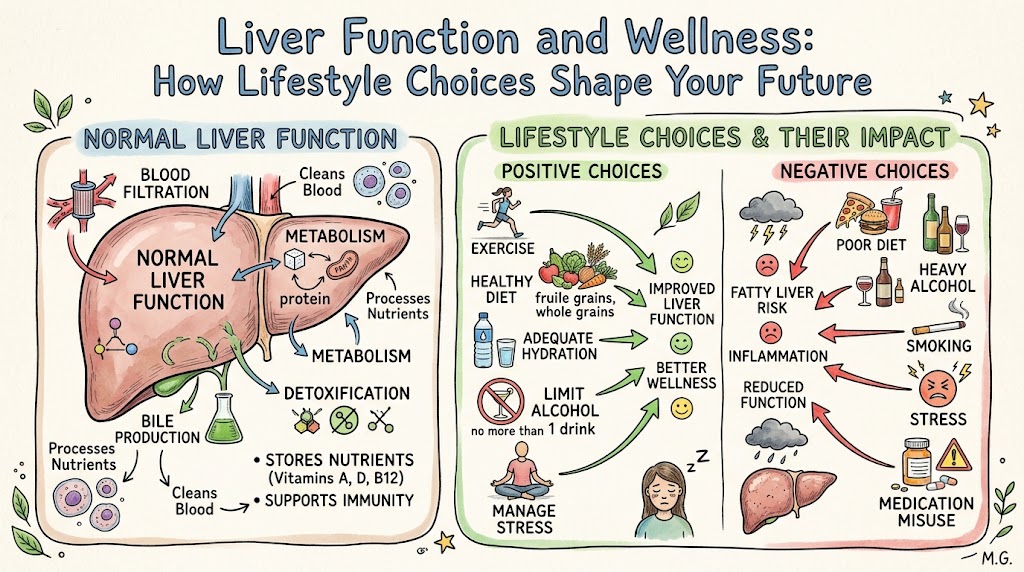
The liver is the body’s main metabolic hub. When you eat carbohydrates, the liver converts them into glucose and stores them as glycogen, releasing them back into the bloodstream whenever your body needs a boost of energy. This blood sugar regulation is vital for everything from maintaining concentration at work to powering your muscles during a workout.
Detoxification and Waste Removal
The liver acts as the body’s filtration system. It breaks down harmful substances—including alcohol, medications, and environmental pollutants—into safer compounds that the body can then excrete. It also breaks down old red blood cells and processes bilirubin, which is excreted through bile.
Bile Production
Bile is a yellow-green fluid produced by the liver that is essential for digesting fats. Without a well-functioning liver, your body would struggle to absorb essential fat-soluble vitamins (A, D, E, and K), leading to potential deficiencies.
Immune Support and Storage
The liver acts as a reservoir, storing essential vitamins and minerals like iron, B12, and copper. Furthermore, it plays a key role in your immune system, producing proteins that help fight off infections and regulate blood clotting.
Why Healthy Liver Function Matters
When your liver is healthy, your entire body feels the difference. Because it influences metabolism, hormonal balance, and energy storage, a well-functioning liver contributes to stable mood, sustained energy, and healthy skin.
When the liver is burdened—through chronic inflammation or fat accumulation—the metabolic consequences are systemic. You may experience unexplained fatigue, poor digestion, and a tendency to gain weight more easily. Over time, chronic stress on the liver can lead to scar tissue, which hampers its ability to perform those hundreds of vital tasks. Supporting your liver is not just about avoiding disease; it is about providing the foundation for vibrant, daily energy.
Table 1: Major Functions of the Liver
| Function | Why It Matters |
| Detoxification | Protects the body from internal and external toxins. |
| Metabolism | Converts food into fuel for your cells. |
| Bile Production | Enables the digestion and absorption of fats. |
| Blood Sugar Regulation | Prevents energy crashes and supports metabolism. |
| Nutrient Storage | Keeps essential vitamins and minerals ready for use. |
Common Causes of Liver Damage
Liver damage rarely happens overnight. It is usually the result of long-term exposure to stressors that the liver can no longer effectively manage.
Fatty Liver Disease
This is currently one of the most prevalent liver issues globally. It occurs when excess fat is stored in liver cells, often due to a combination of high-calorie intake, physical inactivity, and insulin resistance. If left unchecked, it can lead to chronic inflammation.
Excess Alcohol Consumption
While the liver can process small amounts of alcohol, consistent, heavy consumption forces the liver to prioritize processing the alcohol over other vital tasks, leading to inflammation and cellular death.
Viral Hepatitis
Hepatitis B and C are viral infections that cause chronic inflammation of the liver. If untreated, they can lead to scarring (fibrosis) and permanent damage. Vaccination and regular screening are critical.
Metabolic Factors (Obesity and Type 2 Diabetes)
Metabolic syndrome is a major driver of liver stress. When the body develops insulin resistance, the liver becomes an easy target for fat storage.
Medication and Toxin Exposure
Common over-the-counter medications, when taken in excess or mixed with alcohol, can place significant strain on liver enzymes. Always follow medical guidance regarding dosage for all medications.
Best Dietary Tips for Healthy Liver Function
The “liver-friendly diet” is not a temporary fix; it is a philosophy of eating that emphasizes nutrient density and minimizes metabolic stress.
Fruits and Vegetables
Focus on colorful, plant-based foods. Leafy greens (spinach, kale), broccoli, and Brussels sprouts contain compounds that help boost the liver’s natural enzyme production. Berries—especially blueberries and cranberries—are rich in antioxidants that protect against oxidative stress.
Whole Grains
Swap refined white flour for whole oats, quinoa, and brown rice. The fiber in whole grains aids digestion and helps stabilize blood sugar, preventing the “glucose spikes” that encourage the liver to store fat.
Lean Proteins
Opt for fish, legumes, and lean poultry. Fish like salmon and sardines provide omega-3 fatty acids, which have been shown to help reduce liver fat levels and inflammation.
Healthy Fats
Replace trans fats and excessive saturated fats with monounsaturated fats found in olive oil, avocados, and raw nuts. These fats are more stable and less inflammatory for the liver.
Foods to Limit
To truly protect your liver, you must cut down on “silent” stressors. Sugary beverages, refined carbohydrates (white bread, pasta), and ultra-processed foods are the primary drivers of fatty liver.
Table 2: Liver-Friendly Foods
| Food Group | Examples | Potential Benefit |
| Vegetables | Leafy greens, broccoli | Rich in antioxidants and fiber. |
| Fruits | Berries, citrus | Protects cells from damage. |
| Whole Grains | Oats, brown rice | Fiber helps stabilize metabolism. |
| Lean Proteins | Fish, lentils | Supports repair without excess fat. |
| Healthy Fats | Olive oil, almonds | Helps reduce inflammation. |
Exercise, Weight Management & Liver Health
Exercise is arguably the best “medicine” for a fatty liver. When you exercise, you increase your body’s demand for energy, which encourages the liver to burn stored fat.
The Power of Movement
You don’t need to train for a marathon to see results. Consistent daily activity, such as a 30-minute brisk walk, can improve insulin sensitivity and decrease the amount of fat in the liver. Aim for a combination of aerobic activity (walking, cycling, swimming) and resistance training. Resistance training helps build muscle mass, which improves your baseline metabolic rate, helping you manage weight more easily in the long run.
Sustainable Weight Loss
If you are overweight, losing even 5% to 10% of your body weight can lead to dramatic improvements in liver enzyme levels and reduction in liver fat. Avoid “crash diets,” as rapid, aggressive weight loss can sometimes trigger additional stress on the liver. Focus instead on steady, sustainable habits.
Hydration, Sleep & Stress Management
Your lifestyle outside of the kitchen is just as important as the food you put on your plate.
Hydration
Water is essential for every metabolic process. Being dehydrated can make it harder for your liver to flush out toxins and process blood volume. Aim to drink enough water throughout the day to keep your urine pale and clear.
Quality Sleep
Your liver performs many of its repair processes while you sleep. Chronic sleep deprivation is linked to metabolic disruption, which, in turn, impacts how your liver handles fat and sugar. Aim for 7–9 hours of restorative sleep each night.
Stress Management
Chronic stress triggers the release of cortisol, a hormone that—when consistently high—encourages fat storage in the abdomen and liver. Techniques like meditation, deep breathing, or simply spending time outdoors can lower stress markers and support your metabolic health.
Table 3: Daily Habits for Liver Wellness
| Habit | Potential Benefit |
| Drinking Water | Optimizes liver filtration. |
| Regular Sleep | Facilitates metabolic repair. |
| Exercise | Increases fat oxidation. |
| Balanced Diet | Prevents metabolic overload. |
| Stress Reduction | Balances cortisol levels. |
Alcohol, Medications & Liver Safety
The liver’s tolerance for alcohol varies from person to person, but there is no question that excessive alcohol is a direct toxin to liver cells. If you choose to drink, do so in extreme moderation.
Furthermore, be cautious with supplements and medications. Just because a supplement is labeled “natural” does not mean it is free of potential liver toxicity. Always consult with a doctor before starting a new supplement regimen. When taking over-the-counter pain relievers, never exceed the recommended dosage, and be particularly careful when mixing them with any amount of alcohol.
Fatty Liver Disease: Prevention & Early Detection
Non-alcoholic fatty liver disease (NAFLD) is often called a “silent disease” because it rarely shows symptoms until the damage is significant. This is why screening is so important, especially if you have risk factors like type 2 diabetes, high cholesterol, or a high BMI.
Early detection is possible through routine blood tests that monitor liver enzymes and imaging studies like an ultrasound. If caught early, NAFLD is often reversible. The lifestyle habits mentioned—balanced diet, exercise, and weight management—are the front-line treatment.
Table 4: Fatty Liver Risk Factors
| Risk Factor | Impact |
| Obesity | Directly correlates to liver fat accumulation. |
| Diabetes | Disrupts metabolism and insulin use. |
| Sedentary Lifestyle | Decreases fat burning capacity. |
| Excess Sugar Intake | Encourages de novo lipogenesis (new fat creation). |
| Excess Alcohol | Causes secondary inflammation. |
Liver Health Myths vs Facts
Myth: I can “detox” my liver with a week of green juice.
Fact: The liver detoxes itself 24/7. It doesn’t need a juice cleanse; it needs consistent nutrition and a low-toxin environment.
Myth: Only heavy drinkers get liver disease.
Fact: Fatty liver disease is common in people who do not drink alcohol at all, largely due to diet and metabolism.
Myth: Supplements that claim to “cleanse” the liver are always safe.
Fact: Many unregulated supplements can actually cause chemical injury to the liver.
Myth: Liver disease is always inherited.
Fact: While genetics play a role, lifestyle choices are the primary modifiable factors.
When to See a Doctor
If you experience persistent symptoms, do not ignore them. Consult a gastroenterologist if you notice:
- Persistent abdominal pain in the upper right area.
- Chronic, unexplained fatigue.
- Yellowing of the skin or eyes (jaundice).
- Dark urine or very pale stools.
- Persistent itching of the skin.
- Swelling in the legs or abdomen.
Regular health check-ups that include a liver function test (LFT) are a simple, effective way to track your wellness.
Real-Life Success Stories
- The Lifestyle Turnaround: A patient with a BMI of 32 was diagnosed with grade 1 fatty liver. Over 12 months, through supervised walking and limiting sugar, they shed 10kg. A follow-up ultrasound showed the liver was completely clear.
- The Diabetes Partnership: A diabetic patient struggled with unstable blood sugars. By working with their doctor to stabilize sugar and introducing a high-fiber liver-healthy diet, they saw a massive improvement in their liver enzyme counts within months.
FAQs
- What does the liver do?
It processes nutrients, regulates blood sugar, makes bile, and filters toxins. - How can I improve liver health?
By eating real food, exercising, and avoiding excess toxins/alcohol. - What foods are best for the liver?
Leafy greens, berries, oats, fatty fish, and nuts. - Can fatty liver be reversed?
Yes, in its early stages, it is highly responsive to weight loss and diet. - Is coffee good for the liver?
Some studies suggest moderate coffee intake is associated with better liver health. - How much exercise?
Aim for 150 minutes of moderate activity weekly. - Does alcohol always damage the liver?
It depends on dosage, frequency, and genetics, but it is always a stressor. - What are signs of liver disease?
Fatigue, jaundice, and abdominal swelling are common indicators. - How much water?
Drink enough to stay hydrated; there is no fixed number for everyone. - Can supplements help?
Only if recommended by a doctor; most are unnecessary. - What causes fatty liver?
Often a mix of sedentary behavior, high sugar, and genetics. - How often should I test?
At least once a year during your physical exam. - Are detox diets necessary?
No, they often lack nutritional balance. - Can weight loss help?
It is the most effective treatment for fatty liver. - When should I see a specialist?
If you have risk factors or unexplained abdominal symptoms.
Final Conclusion
Your liver is a silent, tireless servant, working around the clock to ensure you have the energy to pursue your passions. It does not ask for much—only that you provide it with the fuel it needs and avoid over-burdening it with excess toxins. By moving away from the “quick fix” mentality and embracing a lifestyle centered on balanced nutrition, regular physical activity, and mindful habits, you are not just caring for your liver; you are caring for the very heart of your body’s health.Remember, every step you take—literally—is a step toward better liver function. Whether it is choosing a water bottle over a soda or taking that evening walk, these small actions compound into significant, long-term wellness. If you have concerns about your liver health, don’t wait for symptoms to arise. Make it a point to discuss your liver function during your next check-up at a trusted center like GastroHospitals. Early detection and lifestyle modification are powerful tools in your hands. Embrace the journey of lifelong liver wellness; your body will thank you for years to come.