Introduction
As a parent, few things are as distressing as seeing your child suffer from persistent stomach pain, vomiting, or other digestive challenges. The digestive system in children—spanning from the mouth to the intestines, and involving vital organs like the liver and pancreas—is delicate and constantly evolving as they grow. When a child experiences chronic or acute gastrointestinal (GI) distress, it is not merely a matter of “upset stomach”; it is a situation that requires a nuanced, specialized medical approach tailored to the unique physiological needs of a developing body. Pediatric gastroenterology is a complex field that bridges the gap between general pediatrics and specialized internal medicine, focusing on disorders that can significantly impact a child’s growth, nutritional status, and overall quality of life.
At GASTROHOSPITALS, we believe that the foundation of a healthy child starts with a healthy gut. Navigating the world of specialized pediatric medicine can be overwhelming, especially when you are worried about your child’s health. Parents often find themselves searching for expert care, hoping to find a facility that combines clinical excellence with a compassionate, child-friendly environment. This guide is designed to provide you with the comprehensive knowledge necessary to understand your child’s GI health, identify warning signs, and make an informed decision when selecting a hospital. By focusing on facilities with dedicated pediatric gastroenterologists and advanced diagnostic capabilities, you are taking the most important step toward ensuring your child receives the targeted, effective care they deserve.
What is Pediatric Gastroenterology?
Pediatric gastroenterology is a highly specialized medical discipline dedicated to the diagnosis and management of disorders affecting the gastrointestinal tract, liver, and pancreas in children, from infancy through adolescence. While general pediatricians are excellent at managing common childhood illnesses, a pediatric gastroenterologist has undergone additional years of specialized training to address the complexities of the digestive system specifically in young bodies.
The system itself includes the esophagus, stomach, small intestine, colon, rectum, liver, gallbladder, and pancreas. Problems in these areas can manifest in a variety of ways—not just as belly aches, but as failure to thrive, chronic fatigue, persistent skin issues, or even behavioral changes. Because a child’s digestive system is undergoing rapid development, these specialists are uniquely trained to handle conditions that are often not present in adults, such as congenital GI anomalies or nutritional deficiencies that could halt developmental milestones.
Common Pediatric GI Disorders
Gastrointestinal issues are among the most frequent reasons for doctor visits in children. Recognizing these common disorders is the first step in differentiating between a temporary discomfort and a chronic condition.
- Vomiting: Often linked to viral gastroenteritis or “stomach bugs,” though it can sometimes signal deeper issues like reflux or obstructions.
- Diarrhea: Frequent, loose stools are common, but chronic diarrhea can rapidly lead to dehydration and nutrient malabsorption.
- Constipation: This is a very common issue in children, often caused by diet, lack of hydration, or behavioral withholding of stool, which can become a painful cycle if not managed.
- Acid Reflux (GERD): While common in infants, when it persists or causes pain, it can lead to poor eating habits and slowed weight gain in children.
- Abdominal Pain: This is a catch-all symptom that can range from gas to more serious conditions like inflammatory bowel disease (IBD) or celiac disease.
Causes of Pediatric Digestive Problems
The causes of digestive distress in children are multifaceted, often resulting from an interplay between environment, lifestyle, and genetics.
- Infections: Viruses, bacteria, and parasites are the most common culprits for acute vomiting and diarrhea in children, usually transmitted through contaminated food or surfaces.
- Food Intolerance: Conditions like lactose intolerance or dairy protein allergies can cause significant inflammation and pain in the digestive tract.
- Poor Hygiene: Because children are naturally inquisitive and often touch surfaces, they are highly susceptible to picking up pathogens that wreak havoc on the gut.
- Genetic Conditions: Some children are born with conditions like cystic fibrosis or celiac disease, which require lifelong management of the digestive system.
Symptoms That Need Medical Attention
Not every tummy ache requires a specialist, but there are certain “red flag” symptoms that parents should never ignore.
- Persistent Vomiting: If your child cannot keep fluids down for more than 12–24 hours, the risk of dehydration becomes severe and immediate.
- Blood in Stool: Any appearance of blood—whether bright red or dark/tarry—must be investigated by a physician to rule out internal trauma or disease.
- Severe Abdominal Pain: If the pain is sharp, localized, or wakes the child up from sleep, it is not just “gas” and warrants an examination.
- Dehydration Signs: A lack of wet diapers, dry mouth, absence of tears when crying, and lethargy are critical indicators that your child needs emergency care.
Diagnosis Methods in Pediatric GI Care
To find the root cause of a digestive issue, a pediatric GI specialist utilizes a series of diagnostic tools designed to be as minimally invasive as possible.
- Blood Tests: These are used to screen for markers of inflammation, check for nutritional deficiencies, or identify food allergies.
- Stool Tests: An essential method for detecting infections (parasites or bacteria) or signs of malabsorption.
- Endoscopy: In more complex cases, a specialist may use a thin, flexible tube with a camera to visualize the inside of the digestive tract, allowing for biopsies if needed.
- Ultrasound: A non-invasive imaging technique that allows doctors to see the liver, gallbladder, and other organs in real-time.
Treatment Options
The primary goal of treatment is to alleviate symptoms while ensuring the child’s nutritional needs are met for healthy growth.
- Medicines: These might include acid reducers, probiotics, or anti-inflammatory drugs depending on the diagnosis.
- Diet Management: A cornerstone of pediatric GI care, this involves working with a nutritionist to eliminate trigger foods or introduce specialized diets.
- Rehydration Therapy: The most important treatment for acute vomiting and diarrhea to maintain the body’s essential fluid and electrolyte balance.
- Advanced GI Procedures: If a structural issue is identified, a specialist might perform a procedure to rectify the anatomy and restore normal function.
TABLE 1 — PEDIATRIC GI SYMPTOMS COMPARISON TABLE
| Symptom | Possible Cause | Severity Level | Action Required |
| Vomiting | Infection / virus | Medium to High | Hydration + doctor visit |
| Diarrhea | Bacterial / viral | Medium to High | ORS + medical care |
| Abdominal pain | Infection / gas | Low to High | Monitor / consult if persistent |
| Constipation | Diet / dehydration | Low to Medium | Diet correction |
| Blood in stool | Serious condition | High | Immediate hospital care |
TABLE 2 — BEST PEDIATRIC GASTRO HOSPITAL FEATURES
| Hospital Feature | Importance | Benefit for Patients |
| Pediatric GI Specialists | Very High | Accurate child diagnosis |
| Endoscopy Facility | High | Advanced internal diagnosis |
| Emergency Pediatric Care | Critical | Life-saving treatment |
| Nutrition Support Team | High | Faster recovery |
| Child-Friendly Environment | Medium | Better patient comfort |
Why Specialized Pediatric GI Hospitals Matter
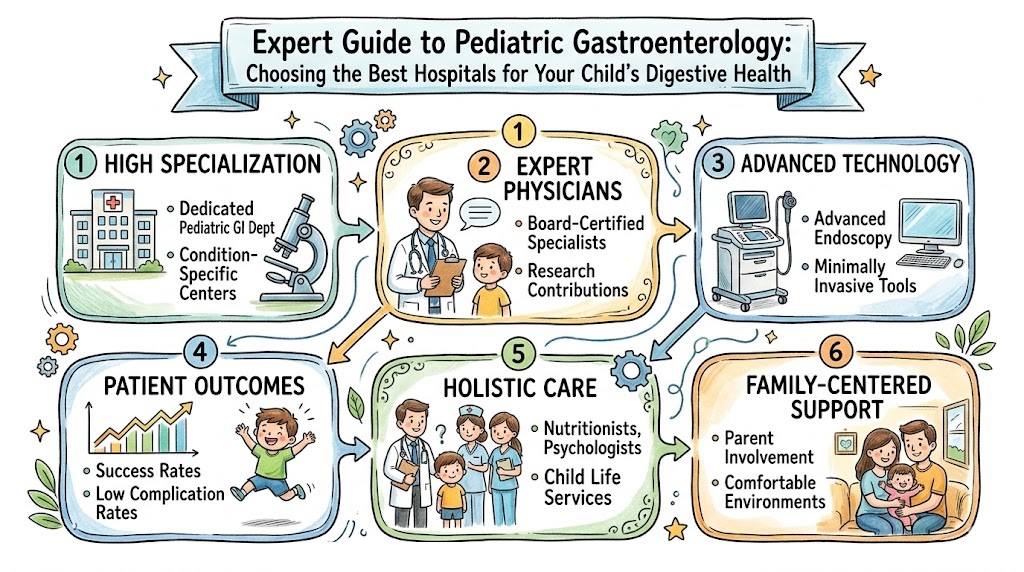
General hospitals are wonderful for broken bones or stitches, but pediatric gastroenterology requires a concentrated level of expertise. When you choose a specialized children’s hospital, you are gaining access to an infrastructure designed exclusively for the needs of children. This means the lab technicians, the nurses, and the anesthesiologists are all accustomed to working with pediatric patients.
These hospitals offer “continuity of care” that is rare in smaller clinics. If your child requires a biopsy, a dietary plan, and long-term monitoring, a specialized GI hospital provides a “one-stop-shop” experience. This reduces the number of referrals you have to manage and ensures that every member of the medical team is talking to each other. Ultimately, this leads to a more coordinated, less stressful experience for both you and your child.
Prevention Tips for Parents
While not all digestive problems can be avoided, there are proactive measures parents can take to support their child’s gut health.
- Promote Hand Hygiene: Teaching children to wash their hands before meals and after playing outside is the single most effective way to prevent the transmission of viral and bacterial infections.
- Balanced Nutrition: A diet rich in fiber, fruits, and vegetables helps prevent constipation and keeps the digestive system moving regularly.
- Stay Hydrated: Encourage children to drink plenty of water, especially during active play or hot weather, to avoid GI stress.
- Regular Well-Child Visits: Routine checkups with your pediatrician allow for early identification of growth issues or subtle digestive patterns that may need intervention before they become chronic.
When to Visit a Pediatric Gastroenterologist
Parents are often unsure when it is time to transition from a general pediatrician to a specialist. You should request a referral to a pediatric gastroenterologist if:
- Your child is not gaining weight or is failing to meet growth milestones.
- Symptoms like diarrhea or vomiting have lasted more than a week.
- Your child has a diagnosed food allergy that requires complex dietary management.
- There is a family history of inflammatory bowel disease (IBD) or celiac disease.
- Your child’s stomach pain is recurring, intense, and affecting their ability to attend school or sleep.
Key Takeaways
- Digestive health is the cornerstone of your child’s growth and overall wellness.
- Never ignore red flags like blood in stool, persistent vomiting, or signs of severe dehydration.
- Choose a hospital that offers specialized pediatric GI expertise rather than just general medical care.
- Nutrition is a vital component of recovery—ensure the hospital has a dedicated dietetic/nutritional team.
- Proactive hygiene and a balanced diet are the best defenses against many common childhood GI issues.
FAQ SECTION
1. Is it normal for my child to have a stomach ache after eating?
Not always. Frequent pain after meals could indicate a food intolerance, acid reflux, or a digestive sensitivity that should be evaluated.
2. How do I know if my child is dehydrated?
Signs include a dry mouth, few or no wet diapers/trips to the bathroom, lethargy, and the absence of tears when crying.
3. What is the most common cause of vomiting in kids?
Viral gastroenteritis, often called the “stomach flu,” is the most common cause of acute vomiting.
4. When should I see a pediatric gastroenterologist instead of my pediatrician?
See a specialist for chronic conditions, recurring unexplained pain, growth delays, or when your pediatrician needs specialized diagnostic help.
5. Are endoscopies safe for children?
Yes, when performed in a specialized pediatric facility by a GI expert, the procedure is safe and very helpful for diagnosing deep internal issues.
6. What is a “failure to thrive”?
It is a term used when a child’s weight gain or growth is significantly slower than expected, which can sometimes be linked to underlying digestive or nutritional absorption issues.
7. Can food allergies cause stomach problems?
Absolutely. Food allergies and intolerances are very frequent causes of gas, bloating, diarrhea, and abdominal pain in children.
8. Should I give my child probiotics?
Probiotics can be helpful, but you should always consult your pediatrician before introducing supplements to ensure they are safe for your child.
9. How long should diarrhea last before I see a doctor?
If diarrhea lasts longer than a few days, or if there is blood or fever involved, you should consult a doctor immediately.
10. Can stress cause stomach problems in children?
Yes, “gut-brain axis” issues are real, and children experiencing high stress or anxiety may develop abdominal pain or changes in bowel habits.
CONCLUSION
Your child’s health journey is a precious and sometimes challenging experience, and navigating digestive issues is a significant part of that path. Understanding that you don’t have to face these challenges alone is the first step toward finding relief for your little one. By choosing a top-tier pediatric gastroenterology hospital, you are ensuring that your child’s care is grounded in expertise, advanced technology, and a deep understanding of pediatric development. The goal is always to see your child thriving, growing, and feeling their best, free from the burdens of digestive distress.
Remember that you are your child’s most powerful advocate. If your instincts tell you that something isn’t right, don’t hesitate to seek a second opinion or push for a referral to a pediatric GI specialist. The combination of early intervention, a supportive medical team, and proactive home care is the formula for success. Take the time to research your local hospitals, look for those dedicated pediatric GI departments, and prioritize your child’s long-term wellness above all else. With the right care, digestive issues can be effectively managed, and you can get back to what matters most—watching your child grow up happy and healthy.