Introduction
Digestive health is one of the foundational pillars of overall bodily well-being. While conversations surrounding elimination can sometimes feel personal, regular and comfortable bowel function is a primary indicator of how efficiently the gastrointestinal (GI) tract processes nutrients, eliminates metabolic waste, and maintains a balanced microbial environment.Navigating digestive wellness and recognizing when symptoms warrant specialist evaluation requires reliable health information. Educational resources provided by GASTROHOSPITALS empower patients and families to understand gastrointestinal function, recognize baseline digestive health, and take proactive steps toward lifelong digestive comfort.In this comprehensive guide, you will learn what defines healthy bowel function, key factors influencing gut motility, dietary and lifestyle strategies for regularity, common causes of constipation, critical red-flag symptoms, and when to consult a board-certified gastroenterologist.
What Are Healthy Bowel Movements?
Understanding baseline bowel habits helps individuals differentiate normal physiological variations from genuine gastrointestinal concerns.
+-----------------------------------------------------------------------+
|                    NORMAL BOWEL FUNCTION SPECTRUM                     |
+-----------------------------------------------------------------------+
|  FREQUENCY SPECTRUM : From 3 times per day to 3 times per week        |
|  STOOL FORM / SHAPE : Smooth, soft, sausage-shaped, or well-formed    |
|  PASSAGE COMFORT    : Minimal straining; passes without pain or urgency|
|  SENSATION          : Complete evacuation after completion            |
+-----------------------------------------------------------------------+
Frequency, Form, and Ease
Bowel habits naturally vary from person to person. For healthy adults, a normal frequency can range anywhere from three bowel movements per day to three per week. Rather than adhering to a rigid daily schedule, physiological normalcy is defined by consistency, comfort, and ease of passage.
Ideal stool consistency is generally classified as soft, well-formed, and easy to pass without painful straining or feeling like the evacuation was incomplete. The Bristol Stool Form Scale—a clinical classification tool—identifies smooth, sausage-like, or soft-clumped stools as the healthier middle spectrum, indicating optimal transit time and moisture content.
The Role of Personal Baseline
Because bowel patterns are highly individual, what is “normal” for one person may not be normal for another. A person who comfortably passes a soft stool every other day has healthy function, provided that frequency remains stable. The key clinical focus is identifying persistent changes away from your established personal baseline.
Factors That Influence Bowel Movements
Gastrointestinal motility depends on an interconnected network of dietary habits, systemic health, physical activity, and nervous system signals.
                  +-----------------------------------+
                  |  INFLUENCES ON GUT MOTILITY       |
                  +-----------------+-----------------+
                                    |
        +---------------------------+---------------------------+
        |                                                       |
+-------v-------+                                       +-------v-------+
| DIETARY & HYDRATION INPUTS                | SYSTEMIC & LIFESTYLE FACTORS  |
+-------+-------+                                       +-------+-------+
| • Soluble & Insoluble Fiber                           | • Physical Activity Levels
| • Daily Water / Fluid Volume                          | • Stress & Gut-Brain Axis
| • Fermented Foods & Probiotics                        | • Sleep & Circadian Rhythms
+---------------+                                       +---------------+
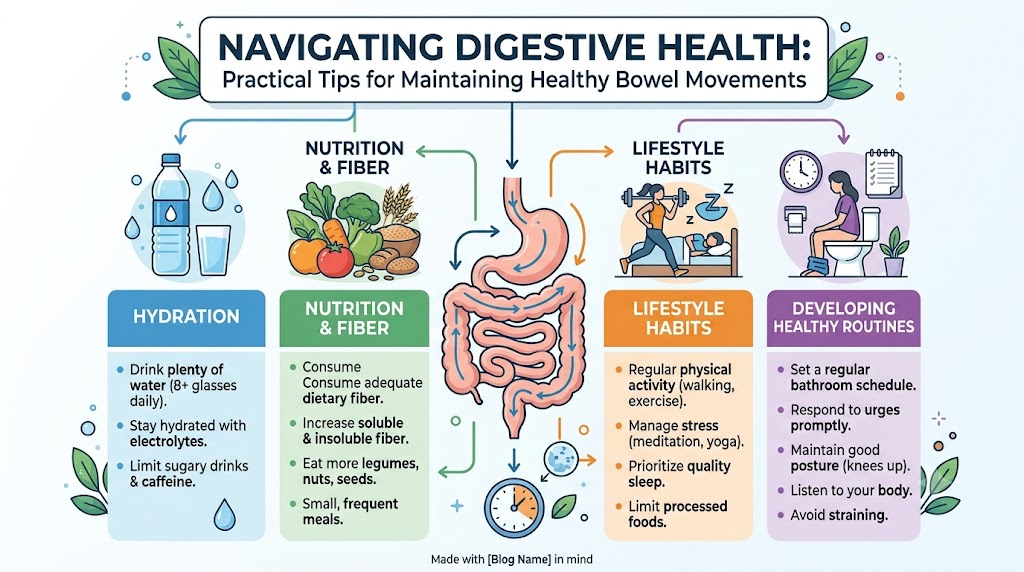
- Dietary Fiber Intake: Fiber adds necessary bulk and holds moisture within the stool, promoting smooth transit through the colon.
- Fluid Hydration: The large intestine continuously absorbs water. Insufficient fluid intake causes the colon to extract moisture from waste material, leading to dry, hard stools.
- Physical Activity: Regular bodily movement stimulates natural wave-like muscle contractions (peristalsis) in the intestinal walls, supporting consistent transit times.
- Stress and the Gut-Brain Axis: The central nervous system communicates constantly with the enteric nervous system in the gut. Emotional stress or anxiety can accelerate or slow down intestinal transit.
- Sleep and Circadian Rhythms: Irregular sleep patterns disrupt intestinal motility and the natural mass movements that typically occur upon waking.
- Medications and Travel: Certain prescription drugs (such as iron supplements, pain medications, or blood pressure drugs) and routine disruptions during travel can temporarily slow bowel function.
Healthy Bowel Habits Comparison Table
| Daily Healthy Habit | Primary Physiological Benefit | How It Supports Digestion |
| High-Fiber Diet | Adds stool bulk and retains moisture | Keeps waste soft and moving smoothly through the colon |
| Consistent Hydration | Maintains optimal stool water content | Prevents waste from drying out, reducing constipation risk |
| Regular Exercise | Stimulates natural intestinal peristalsis | Encourages wave-like muscle contractions for waste removal |
| Consistent Meal Timing | Activates the gastrocolic reflex | Promotes predictable, natural urges to evacuate |
| Responding to Urges | Prevents stool retention in the rectum | Preserves natural rectal sensation and prevents hardening |
| Stress Management | Balances gut-brain axis signaling | Reduces stress-induced spasms or delayed intestinal transit |
Best Foods for Healthy Bowel Movements
Optimizing your daily diet with targeted nutrient choices is one of the most effective ways to support consistent digestive regularity.
+------------------------------------------------------------------------+
|                     NUTRIENT DENSE GUT FOODS                           |
+------------------------------------------------------------------------+
|  WHOLE GRAINS : Oats, quinoa, brown rice, whole wheat                  |
|  FRUITS       : Prunes, apples, pears, berries, kiwi                   |
|  VEGETABLES   : Broccoli, Brussels sprouts, carrots, leafy greens       |
|  LEGUMES      : Lentils, chickpeas, black beans, navy beans            |
|  SEEDS & NUTS : Chia seeds, ground flaxseed, almonds, walnuts          |
|  FERMENTED    : Plain yogurt, kefir, sauerkraut, kimchi                |
+------------------------------------------------------------------------+
High-Fiber Fruits, Vegetables, and Grains
- Whole Grains and Legumes: Oatmeal, brown rice, lentils, and black beans provide insoluble fiber, which acts as a gentle bulking agent to move material through the digestive tract.
- Fresh Fruits with Skins: Apples, pears, berries, and kiwis contain both soluble fiber (pectin) and water. Kiwis, in particular, contain enzymes and fiber that support comfortable stool frequency.
- Prunes (Dried Plums): Prunes provide a powerful combination of insoluble fiber, natural sorbitol (a sugar alcohol that draws water into the gut), and phenolic compounds that naturally stimulate bowel movements.
- Chia and Flaxseeds: These seeds form a smooth gel when mixed with water, helping to soften stool texture and lubricate its passage through the lower colon.
Probiotics and Fermented Foods
Incorporate cultured foods such as plain yogurt, kefir, unpasteurized sauerkraut, and kimchi. These foods introduce beneficial microbial cultures (probiotics) that help maintain a balanced gut microbiome, supporting nutrient fermentation and metabolic health.
Lifestyle Habits That Support Digestive Health
Nourishing the digestive system involves more than just diet; daily routines and mechanical habits also play an important role.
                   +--------------------------------+
                   |  LIFESTYLE WELLNESS ROUTINE    |
                   +---------------+----------------+
                                   |
        +--------------------------+--------------------------+
        |                                                     |
+-------v-------+                                     +-------v-------+
| DAILY HABITS  |                                     | ERGONOMIC &   |
| & MOVEMENT    |                                     | STRESS CARE   |
+-------+-------+                                     +-------+-------+
| • 30 Min Exercise                                   | • Squatting Posture
| • Thorough Chewing                                  | • Immediate Urge Response
| • Fixed Sleep Window                                | • Breathwork / Relaxation
+---------------+                                     +---------------+
Physical Activity and Posture
- Daily Physical Movement: Moderate exercise—such as brisk walking, cycling, or swimming for 20 to 30 minutes daily—helps stimulate the abdominal and intestinal muscles.
- Bathroom Ergonomics: Elevating the knees slightly above the hips using a small footstool while sitting on the toilet aligns the rectum naturally. This relaxes the puborectalis muscle, allowing for easier evacuation without excessive straining.
Behavioral Routines and Eating Habits
- Chew Food Thoroughly: Digestion begins in the mouth. Thoroughly chewing food breaks down mechanical barriers and mixes food with salivary enzymes, reducing the digestive workload on the stomach and small intestine.
- Honor the Gastrocolic Reflex: Eating a meal—especially breakfast—triggers natural hormonal signals that stimulate colonic contractions. Allow unhurried time after meals to respond to natural bathroom urges.
Common Causes of Constipation
Constipation is defined clinically as having fewer than three bowel movements per week, accompanied by hard, dry stools, excessive straining, or a feeling of incomplete evacuation.
+------------------------------------------------------------------------+
|                    COMMON CONSTIPATION TRIGGERS                       |
+------------------------------------------------------------------------+
|  1. Dietary Deficits   : Low intake of fiber & daily fluid volume      |
|  2. Sedentary Routine  : Prolonged sitting without physical breaks     |
|  3. Urge Suppression   : Habitually ignoring the natural urge to go     |
|  4. Medication Effects : Opioids, iron pills, antacids, blood pressure drugs|
|  5. Metabolic Shifts   : Thyroid underactivity (hypothyroidism), diabetes|
|  6. Pelvic Dyssynergia : Uncoordinated relaxation of pelvic floor muscles|
+------------------------------------------------------------------------+
Lifestyle and Dietary Triggers
Common lifestyle factors include eating a low-fiber diet dominated by highly processed foods, insufficient daily water intake, sitting for long periods, and habitually ignoring the urge to pass stool. Over time, delaying bowel movements causes the colon to absorb excess water from retained waste, making stools harder and more difficult to pass.
Secondary Causes and Medication Side Effects
Constipation can also occur as a side effect of various medications, including prescription pain relievers, iron supplements, calcium channel blockers, and certain antidepressants. Underlying medical conditions—such as an underactive thyroid (hypothyroidism), irritable bowel syndrome (IBS), diabetes, or pelvic floor muscle dysfunction—can also slow transit times.
Warning Signs That Need Medical Attention
While occasional variations in bowel habits are common, certain persistent or severe symptoms require prompt evaluation by a qualified gastroenterologist.
+------------------------------------------------------------------------+
|                    RED-FLAG GASTROINTESTINAL SIGNS                     |
+------------------------------------------------------------------------+
|  • Visible Blood in Stool (Bright red or dark black/tarry)            |
|  • Unexplained, Involuntary Weight Loss                                |
|  • Severe, Persistent, or Worsening Abdominal Pain                     |
|  • Chronic Diarrhea or Constipation Lasting > 2-3 Weeks                |
|  • Persistent Vomiting or Inability to Keep Fluids Down                |
|  • Iron-Deficiency Anemia or Unexplained Low Blood Counts              |
+------------------------------------------------------------------------+
Recognizing Red-Flag Symptoms
- Visible Blood or Tarry Stools: Bright red blood on stool or toilet paper, or dark, tarry stools, indicates potential gastrointestinal bleeding that warrants medical evaluation.
- Unexplained Weight Loss: Losing weight without changes to your diet or physical activity level can signal an underlying digestive or metabolic condition.
- Persistent Changes in Bowel Habits: A sudden, unexplained change in stool frequency, form, or caliber (such as pencil-thin stools) that lasts for several weeks requires specialist assessment.
- Severe Abdominal Pain or Fever: Intense, localized abdominal pain, especially when accompanied by fever, nausea, or vomiting, requires urgent medical evaluation.
Preparing for a Gastroenterology Consultation
When persistent digestive symptoms necessitate a visit to a gastroenterology specialist, thoughtful preparation helps maximize the value of your visit.
  [1. Keep a 2-Week Symptom Diary] ──► Record food, fluid, frequency, & form
                  │
                  ▼
  [2. Compile Medical & Drug List] ──► Include prescriptions, OTCs, & supplements
                  │
                  ▼
  [3. Note Family History Data]   ──► Record GI conditions in first-degree relatives
                  │
                  ▼
  [4. Prepare Specific Questions] ──► Bring written questions regarding tests & care
Keeping a Symptom Diary
Track your daily habits for two weeks prior to your appointment. Note meal times, types of food eaten, daily fluid intake, stool frequency, stool consistency (using the Bristol Stool Form Scale), and any associated discomfort or bloating.
Organizing Your Health Information
Compile a complete list of your current medications, over-the-counter drugs, vitamins, and herbal supplements, noting exact dosages. Record your personal medical history along with any family history of gastrointestinal conditions, such as inflammatory bowel disease (IBD), celiac disease, or colorectal cancer.
Diagnostic Tests That May Be Recommended
To evaluate persistent bowel habit changes, gastroenterologists utilize targeted diagnostic tools based on your clinical history and physical examination.
+----------------------------------------------------------------------+
|                    GASTROENTEROLOGY DIAGNOSTICS                      |
+----------------------------------------------------------------------+
|  [Blood & Stool Testing]     --> Checks for inflammation, anemia, infection|
|  [Colonoscopy / Endoscopy]   --> Direct visual inspection of tissue lining |
|  [Imaging Studies (CT/MRI)]  --> Evaluates structural organ integrity      |
|  [Anorectal Manometry]       --> Measures pelvic floor muscle coordination |
+----------------------------------------------------------------------+
- Laboratory Blood and Stool Tests: Blood tests check for inflammation markers, celiac disease antibodies, and anemia. Stool tests detect microscopic blood, signs of intestinal inflammation, or underlying bacterial or parasitic infections.
- Colonoscopy: A procedure using a thin, flexible tube with a camera to visually examine the entire lining of the large intestine. It allows doctors to identify inflammation, remove polyps, and take small tissue samples (biopsies) for analysis.
- Cross-Sectional Imaging: Abdominal CT or MRI scans provide detailed images of abdominal organs, helping identify structural abnormalities or bowel blockages.
- Pelvic Floor and Anorectal Function Testing: Specialized diagnostic tests, such as anorectal manometry, evaluate muscle coordination and nerve sensation in patients with chronic, treatment-resistant constipation.
Tips for Long-Term Bowel Health
Maintaining optimal digestive function involves building sustainable daily habits that support overall gut health.
+--------------------------------------------------------------------+
|                  LONG-TERM DIGESTIVE MAINTENANCE                   |
+--------------------------------------------------------------------+
|  [Fiber Consistency]  --> Gradually build to recommended fiber goals|
|  [Hydration Baseline] --> Maintain steady daily fluid intake       |
|  [Routine Movement]   --> Keep active throughout the week          |
|  [Bathroom Hygiene]   --> Never rush or ignore natural urges       |
|  [Judicious Med Use]  --> Use laxatives only under medical advice  |
+--------------------------------------------------------------------+
- Gradually Increase Fiber: Increase fiber intake step-by-step over several weeks while drinking plenty of water. Adding fiber too quickly can cause temporary gas or bloating.
- Maintain Consistent Hydration: Keep a reusable water bottle nearby throughout the day to ensure steady, adequate fluid intake.
- Avoid Overusing Stimulant Laxatives: Reliance on over-the-counter stimulant laxatives without medical supervision can impair natural bowel motility over time. Discuss long-term bowel management options with your doctor.
- Stay Up to Date with Age-Appropriate Screenings: Follow routine health guidelines for preventive colorectal cancer screenings as recommended by your physician.
How GASTROHOSPITALS Helps Patients
Navigating digestive concerns and understanding gastrointestinal health requires access to reliable, clear information. GASTROHOSPITALS serves as an educational resource to help individuals and families learn about digestive health.
+------------------------------------------------------------------------+
|                      GASTROHOSPITALS RESOURCES                         |
+------------------------------------------------------------------------+
|  [Educational Guides]  --> Clear breakdowns of GI conditions & health  |
|  [Specialist Access]   --> Information on advanced gastroenterology care|
|  [Diagnostic Insights] --> Clear explanations of tests like colonoscopy|
|  [Patient Guidance]    --> Practical guidance on gut wellness & diet  |
+------------------------------------------------------------------------+
Through GASTROHOSPITALS, readers can access educational guides on digestive wellness, explore common gastrointestinal conditions, learn about diagnostic procedures, and find practical advice for managing daily gut health. By offering clear healthcare information, the platform helps readers approach consultations with their doctors with confidence.
Common Mistakes People Make
Avoiding common oversights helps ensure your digestive system stays balanced and functions comfortably.
1. Increasing Fiber Without Drinking Enough Water
- The Mistake: Rapidly adding high-fiber foods or supplements to your diet without increasing daily water intake.
- The Solution: Increase fiber gradually and drink plenty of fluids. Fiber needs water to swell and create soft, easily passed stools.
2. Habitually Delaying Bathroom Visits
- The Mistake: Suppressing the urge to pass stool due to busy schedules or discomfort using public restrooms.
- The Solution: Listen to your body’s natural signals. Respond promptly when you feel the urge to pass stool to prevent waste from hardening in the colon.
3. Relying Long-Term on Over-the-Counter Laxatives
- The Mistake: Using stimulant laxatives regularly without consulting a doctor for an underlying evaluation.
- The Solution: Speak with a gastroenterologist if you rely on laxatives regularly. They can identify root causes and recommend safer, long-term care plans.
4. Assuming Bowel Habit Changes Are Simply Part of Aging
- The Mistake: Dismissing persistent constipation, persistent loose stools, or abdominal discomfort as a normal part of getting older.
- The Solution: Discuss persistent changes in bowel habits with a doctor. Healthy digestive function can be maintained across every stage of life.
Common Myths vs. Facts
| Myth | Fact |
| “A healthy person must have a bowel movement every day.” | Normal frequency ranges from three times a day to three times a week, depending on personal baseline. |
| “Constipation is an inevitable part of getting older.” | Age-related changes can affect motility, but diet, exercise, and proper hydration maintain regularity in older adults. |
| “Over-the-counter laxatives can be used indefinitely without advice.” | Stimulant laxatives should generally be used short-term unless specifically prescribed and monitored by a physician. |
| “Ignoring the urge to go has no long-term effects on bowel function.” | Frequently delaying bowel movements can dull rectal sensation and contribute to chronic constipation over time. |
Real-Life Educational Scenarios
Scenario A: Relieving Chronic Constipation Through Fiber and Hydration
A 42-year-old office worker experienced hard, infrequent stools and abdominal bloating after years of a low-fiber, processed diet. Working with a healthcare provider, they gradually introduced oatmeal, chia seeds, and leafy greens while increasing daily water intake to 2 liters. Within three weeks, stool consistency softened, and bowel movements became comfortable and regular.
Scenario B: Improving Regularity Through Daily Exercise
An individual who moved to a remote desk job noticed their bowel movements decreased from once daily to once every three days, accompanied by mild discomfort. Adding a 30-minute brisk walk every morning stimulated intestinal motility and helped restore their natural, daily bowel pattern.
Scenario C: Seeking Early Evaluation for Red-Flag Symptoms
A 58-year-old noticed a persistent change in stool caliber along with small amounts of dark blood over several weeks. Rather than brushing it off as hemorrhoids, they scheduled a gastroenterology consultation. A diagnostic colonoscopy identified an early, benign polyp, which was removed safely during the procedure.
Scenario D: Managing Gut Motility Through Stress Reduction
A graduate student noticed frequent bouts of alternating constipation and loose stools during exam periods. Recognizing the connection between stress and digestion, they incorporated daily deep-breathing exercises, improved their sleep routine, and established regular meal times, which helped stabilize their bowel habits.
Frequently Asked Questions (FAQs)
1.What is considered a healthy bowel movement?
A healthy bowel movement is soft, well-formed, easy to pass without painful straining, and leaves you feeling completely evacuated.
2.How often should a healthy person have a bowel movement?
Normal bowel frequency ranges from three times per day to three times per week. Consistency and comfort are more important than a specific daily number.
3.Which foods are most effective for preventing constipation?
Fiber-rich foods—including whole grains, apples, pears, prunes, chia seeds, lentils, broccoli, and fermented foods like plain yogurt—support regular digestion.
4.How much water should I drink for optimal bowel health?
Hydration needs vary, but aiming for 8 to 10 cups (about 2 liters) of fluid daily helps keep stools soft and easy to pass.
5.Does daily physical activity help improve digestion?
Yes. Regular movement stimulates intestinal contractions (peristalsis), which helps move waste through the digestive tract efficiently.
6.How does emotional stress affect bowel function?
The gut and brain communicate continuously through the gut-brain axis. Stress can cause intestinal muscles to contract too quickly (leading to loose stools) or slow down (causing constipation).
7.Are probiotic foods or supplements beneficial for bowel health?
Probiotics found in fermented foods like yogurt, kefir, and sauerkraut help support a balanced gut microbiome, which promotes healthy digestion and regular bowel movements.
8.When should I be concerned about constipation?
Consult a doctor if constipation lasts longer than two to three weeks, fails to improve with dietary changes, or is accompanied by severe pain, vomiting, or blood in the stool.
9.What red-flag symptoms require immediate medical attention?
Seek prompt medical care if you notice blood in your stool, dark tarry stools, unexplained weight loss, severe abdominal pain, persistent fever, or chronic diarrhea.
10.Is it safe to use over-the-counter laxatives regularly?
Occasional use of gentle osmotic laxatives is generally safe, but chronic use of stimulant laxatives should only occur under medical supervision.
11.How can I improve my bowel habits naturally?
Eat a high-fiber diet, stay well-hydrated, exercise daily, elevate your feet slightly on a footstool while on the toilet, and respond promptly to natural bathroom urges.
12.Can prescription medications alter bowel patterns?
Yes. Many medications—including pain relievers, iron supplements, blood pressure drugs, and antidepressants—can affect gut motility and cause constipation or loose stools.
13.How should I prepare for a gastroenterology consultation?
Keep a two-week symptom diary tracking diet, fluid intake, and stool frequency, list all current medications, and write down questions for your doctor.
14.What diagnostic tests evaluate persistent digestive issues?
Common tests include blood and stool analysis, colonoscopy, upper endoscopy, abdominal imaging (CT/MRI), and anorectal function studies.
15.How does GASTROHOSPITALS support patients with digestive health concerns?
GASTROHOSPITALS provides educational articles and resources that help patients understand gastrointestinal conditions, explore diagnostic options, and make informed choices about their gut health.
Final Thoughts
Maintaining healthy bowel movements is essential for overall physical health and daily comfort. By nourishing your body with a fiber-rich diet, staying consistently hydrated, engaging in regular physical activity, and listening to your body’s natural signals, you can support long-term digestive wellness.Remember that digestive habits naturally vary from person to person. The key is understanding your personal baseline and recognizing when persistent changes occur. Never ignore red-flag warning signs such as blood in the stool, unexplained weight loss, or severe abdominal pain.