Introduction
The liver is one of the body’s largest and most vital internal organs, performing hundreds of essential functions every single day. It filters blood coming from the digestive tract, processes nutrients, regulates metabolism, stores energy, and helps clear toxins from the body. Because everything you eat and drink is processed by the liver, your everyday dietary habits play a significant role in supporting overall liver health.As noted by the National Institute of Diabetes and Digestive and Kidney Diseases (NIDDK), the liver has important roles in digestion and processing and distributing nutrients, while nutrition recommendations vary according to the specific liver condition. To explore gastroenterology and hepatology resources, research healthcare facilities, and learn more about digestive health, visit Gastrohospitals.
What Is a Healthy Liver Diet?
A healthy liver diet is generally a balanced, nutrient-dense eating pattern rather than a restrictive fad or a “miracle cleanse.”
Key characteristics of a balanced approach include:
- Providing adequate macronutrients and micronutrients to support daily metabolic needs.
- Incorporating a diverse variety of whole foods from all major food groups.
- Moderating or avoiding excessive amounts of added sugars, unhealthy fats, and heavily processed convenience foods.
- Practicing good portion awareness to support a healthy body weight.
It is vital to distinguish evidence-based nutrition from unproven trends. A commercial “liver detox diet” or extreme juice cleanse is not the same thing as scientifically supported nutrition guidance. Your liver naturally performs metabolic detoxification every day; its function is best supported by steady, balanced eating habits rather than harsh restrictive regimens.
Why Nutrition Matters for Liver Health
Your diet directly influences metabolic health, energy balance, and how fat is stored within the body. When overall diet quality is poor—characterized by high intakes of refined sugars and unhealthy fats—excess energy can accumulate in the liver cells.
For fatty liver disease, healthy eating and maintaining a healthy weight can help prevent or manage the condition, and doctors may recommend gradual weight loss when appropriate (NIDDK). Balanced nutrition supports metabolic stability, reduces inflammation, and protects long-term liver function.
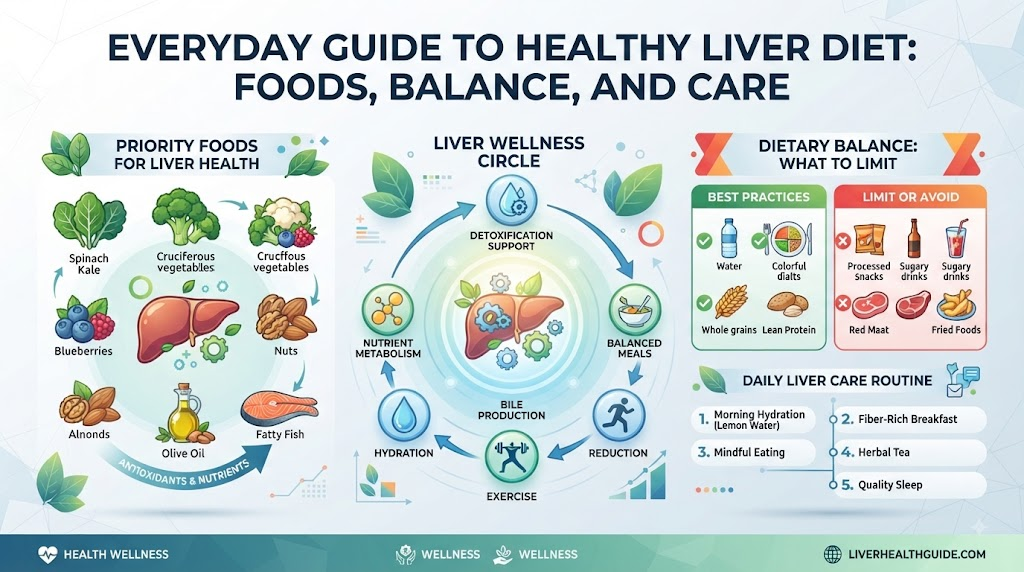
Best Foods for a Healthy Liver Diet
Vegetables
Vegetables are nutritional powerhouses that provide essential dietary fibre, vitamins, minerals, and protective antioxidants.
- Leafy Greens: Spinach, kale, and methi (fenugreek leaves).
- Cruciferous Vegetables: Broccoli, cauliflower, and cabbage.
- Root and Garden Vegetables: Carrots, tomatoes, bell peppers, and gourds.
Fruits
Whole fruits offer vital vitamins and fibre without the rapid sugar spikes associated with processed sweets.
- Options: Apples, berries, oranges, papayas, guavas, and seasonal fruits.
- Note: Emphasize whole, fresh fruits rather than relying heavily on fruit juices, which lack beneficial fibre.
Whole Grains
Minimally refined whole grains provide sustained energy and high-fibre content, which supports healthy digestion and metabolic control.
- Examples: Oats, brown rice, whole-wheat roti, barley, millets (jowar, bajra, ragi), and quinoa.
- NIDDK specifically identifies fruits, vegetables, and whole grains among lower-glycemic food choices beneficial for metabolic health and fatty liver management (NIDDK).
Pulses and Legumes
Lentils, chickpeas, beans, and peas serve as excellent, nutrient-rich sources of plant-based protein and soluble fibre.
Healthy Protein Sources
Quality protein is necessary for tissue repair and maintenance. Diverse sources include fish, eggs, beans, lentils, tofu, low-fat dairy where appropriate, and lean poultry.
Healthy Fats
Replacing saturated fats with beneficial unsaturated fats supports cardiovascular and metabolic health.
- Sources: Nuts (walmonds, almonds), seeds (chia, flax), avocados, fatty fish (salmon, mackerel), and plant-based oils (olive, mustard, or canola oil).
- NIDDK recommends replacing saturated and trans fats with unsaturated fats where appropriate (NIDDK).
Foods and Drinks to Limit
Sugary Drinks
Beverages sweetened with added sugars—such as regular sodas, sweetened teas, energy drinks, and packaged fruit juices—deliver rapid doses of fructose without nutritional benefits. NIDDK specifically recommends avoiding or limiting foods and drinks containing large amounts of simple sugars, particularly fructose, for people with fatty liver disease (NIDDK).
Highly Processed Foods
Packaged convenience snacks, processed meats, and highly refined food items often combine high amounts of unhealthy fats, sodium, and hidden sugars.
Excess Saturated and Trans Fats
Fatty cuts of red meat, heavy full-fat dairy, fried fast foods, and industrially produced trans fats can increase systemic inflammation and hepatic fat accumulation.
Excess Salt
While sodium moderation is helpful for general cardiovascular wellness, sodium restriction can become clinically critical in specific advanced liver conditions such as cirrhosis.
Alcohol and Liver Health
Alcohol is processed directly by the liver, where its breakdown creates byproducts that can injure liver cells, promote inflammation, and lead to scarring (fibrosis).
- Alcohol consumption recommendations depend entirely on an individual’s existing liver health and medical history.
- People diagnosed with liver disease are routinely advised to avoid alcohol completely.
- For cirrhosis, NIDDK advises completely stopping alcohol because it can cause further liver damage (NIDDK).
Alcohol is never considered safe or beneficial for someone with active liver disease.
Healthy Liver Diet for Fatty Liver Disease
Non-alcoholic fatty liver disease (NAFLD), recently termed metabolic dysfunction-associated steatotic liver disease (MASLD), occurs when excess fat builds up in liver cells independently of heavy alcohol use.
- The Connection: Diet, body weight, and metabolic health are deeply intertwined in managing fatty liver.
- Weight Management: NIDDK notes that gradual weight loss (typically 5% to 10% of body weight when overweight or obese) can reduce liver fat, inflammation, and fibrosis in people with NAFLD/MASLD (NIDDK).
- Dietary Focus: Emphasize portion control, increase intake of vegetables, whole grains, and pulses, eliminate sugary beverages, and substitute unsaturated fats for saturated fats.
Liver Diet for Cirrhosis: Why It Is Different
It is crucial to recognize that a healthy liver diet is not a one-size-fits-all prescription. People with cirrhosis—advanced scarring of the liver—have entirely different nutritional needs compared to individuals with early fatty liver disease.
- Malnutrition Risk: Cirrhosis frequently leads to muscle wasting and malnutrition, meaning overly restrictive diets can be dangerous.
- Calorie and Protein Needs: Patients often require adequate protein and higher energy intakes, sometimes broken down into smaller, more frequent meals throughout the day to prevent muscle breakdown during fasting periods.
- Sodium Restrictions: Fluid retention (ascites) is common in cirrhosis, requiring individualized sodium limits managed by a physician.
- Food Safety: For cirrhosis, NIDDK advises avoiding raw or undercooked shellfish, fish, and meat, as well as unpasteurized milk and dairy products, because compromised immune and liver function makes foodborne infections particularly serious (NIDDK).
Liver Diet and Hepatitis
Individuals living with viral or autoimmune hepatitis benefit from a balanced, nourishing diet that supports overall immune and metabolic function.
- The exact nutritional strategy depends on the specific type of hepatitis and whether the disease has caused significant liver scarring.
- Diet alone cannot cure viral hepatitis; medical antiviral therapy prescribed by a hepatologist remains essential.
- Chronic liver inflammation requires individualized nutritional oversight.
Healthy Liver Meal Ideas
Here are general, balanced meal examples incorporating wholesome ingredients:
- Breakfast Options:
- Oatmeal cooked in milk or water, topped with fresh chopped fruit and a handful of unsalted nuts.
- A vegetable omelet (or egg-white scramble) paired with whole-grain toast.
- Plain yogurt layered with berries and flaxseeds.
- Lunch Options:
- Brown rice served with lentil dal, mixed vegetable curry, and a fresh side salad.
- Whole-wheat roti paired with cooked beans (rajma or chana) and seasonal vegetables.
- Grilled fish or tofu served with steamed vegetables and quinoa.
- Dinner Options:
- Warm vegetable soup paired with lentil dal and whole-grain bread.
- Sautéed tofu or lean chicken breast with bell peppers and brown rice.
- Spiced dal paired with roasted vegetables and whole-wheat roti.
- Snack Options:
- Fresh whole fruit (an apple or guava).
- A small handful of raw, unsalted almonds or walnuts.
- A small bowl of plain yogurt or roasted chickpeas.
Note: These are general educational examples and do not constitute individualized medical meal plans.
Indian Foods That Can Fit a Liver-Friendly Diet
Traditional Indian household foods offer an abundance of nutrient-dense options that align perfectly with a healthy liver eating pattern when prepared thoughtfully:
- Legumes & Pulses: Moong dal, masoor dal, tur dal, rajma, and chana provide excellent plant-based protein and fibre.
- Grains: Ragi, bajra, jowar, oats, brown rice, and whole-wheat roti.
- Produce: Bitter gourd (karela), bottle gourd (lauki), ridge gourd (turai), leafy greens, and seasonal fruits.
- Preparation Matters:
- Better choices: Steamed, grilled, baked, or lightly sautéed dishes using minimal healthy oils (like mustard or groundnut oil).
- Limit: Deep-fried snacks (samosas, pakoras), heavily salted pickles, and dishes swimming in heavy cream or excessive added sugars.
No single Indian spice or herb acts as a magical “liver cleanser.”
Portion Control and Healthy Weight
Portion sizes dictate overall energy intake. Even highly nutritious foods—such as nuts, whole grains, and healthy oils—contribute significant calories if consumed in excessively large quantities.
Practicing portion awareness supports healthy weight management, which is particularly vital for individuals managing fatty liver disease. As NIDDK highlights, limiting portion sizes and maintaining a healthy weight form a core foundation of preventing and managing NAFLD.
Hydration
Water is essential for metabolic transport, digestion, and cellular hydration. Plain water is the simplest everyday beverage choice.
While hydration needs vary based on climate, body size, and physical activity, individuals should avoid relying on sugary sodas or sweetened juices to quench thirst. Note: Patients with advanced liver disease, fluid retention, or specific medical restrictions must follow the individualized fluid intake limits prescribed by their healthcare team.
What About Liver Detox Drinks?
The internet is filled with commercial “liver cleanses,” detox teas, and miracle tonics promising rapid detoxification.
- The Reality: Your liver already performs biological detoxification continuously. It does not need bottled juices or herbal teas to function.
- Hidden Risks: Many herbal supplements and unregulated “detox” products can cause acute drug-induced liver injury.
- NIDDK specifically advises people with liver disease to speak with their doctor before taking any dietary or herbal supplements.
Vitamins and Supplements
A varied, nutrient-dense diet provides the foundation of good health. Supplements should never be assumed necessary.
- Certain advanced liver diseases can lead to specific micronutrient deficiencies that require medical management.
- Vitamin requirements vary entirely by condition, blood test findings, and clinical evaluation.
- High doses of certain vitamins (such as vitamin A or niacin) can actually place toxic stress on the liver.
- NIDDK notes that certain liver conditions may require specific vitamin or mineral supplementation under strict medical supervision (NIDDK). Never self-prescribe supplements.
Healthy Eating Habits for Better Liver Health
- Fill half your plate with colourful vegetables and greens.
- Choose whole fruits instead of processed sweets or fruit juices.
- Incorporate high-fibre foods to support digestive health.
- Select whole grains over refined white flour products.
- Rotate varied protein sources, including legumes, fish, and lean poultry.
- Prefer heart-healthy unsaturated fats over saturated animal fats.
- Eliminate sugar-sweetened sodas and energy drinks.
- Minimize highly processed packaged convenience foods.
- Practice mindful portion awareness at every meal.
- Limit excess dietary sodium and salty condiments.
- Avoid casual, unverified herbal supplements and detox products.
- Maintain regular physical activity appropriate for your fitness level.
- Work toward and maintain a healthy body weight.
- Avoid alcohol entirely when advised by your physician.
- Focus on slow, gradual, and sustainable lifestyle changes.
Foods to Choose vs Foods to Limit
| Choose More Often | Limit / Avoid Depending on Health Status |
| Vegetables (Leafy greens, gourds, broccoli) | Sugary Drinks (Sodas, sweetened teas, packaged juices) |
| Whole Fruits (Apples, papaya, berries, citrus) | Excess Sweets (Pastries, candies, sugary desserts) |
| Whole Grains (Oats, brown rice, millets, whole wheat) | Highly Refined Foods (White bread, refined pastries) |
| Lentils & Beans (Moong dal, rajma, chana, chickpeas) | Highly Processed Foods (Instant meals, packaged snacks) |
| Fish & Lean Proteins (Eggs, poultry, tofu, fish) | Excess Saturated Fat (Fatty red meats, heavy cream) |
| Nuts & Seeds (Almonds, walnuts, flaxseeds) | Industrial Trans Fats (Hydrogenated oils, fried fast food) |
| Unsaturated Oils (Olive oil, mustard oil) | Excess Sodium (Salty processed meats, heavy table salt) |
| Water (Plain, hydrating fluids) | Alcohol (Especially critical to avoid with liver disease) |
Note: Dietary restrictions can differ significantly in conditions such as cirrhosis, so patients must always follow their healthcare professional’s advice.
One-Day General Healthy Liver Meal Plan
Disclaimer: This is a general educational example and is not a medical diet plan. It is inappropriate for individuals with cirrhosis or other advanced liver conditions without professional medical guidance.
- Morning (Upon Waking): A glass of plain water.
- Breakfast: A warm bowl of rolled oats cooked with low-fat milk or water, topped with fresh sliced apple and a small spoonful of chopped walnuts.
- Mid-Morning Snack: A whole fresh fruit (such as an orange or guava).
- Lunch: A balanced serving of cooked dal (lentils), mixed vegetable sabzi, a side of green salad, and one or two whole-wheat rotis (or a moderate portion of brown rice).
- Evening Snack: A small handful of unsalted almonds or a small bowl of plain, low-fat yogurt.
- Dinner: Grilled fish, tofu, or lean poultry paired with a generous portion of steamed vegetables and a small portion of whole grains.
Common Liver-Diet Mistakes
- Searching for internet “detox” foods instead of improving overall dietary quality.
- Drinking packaged fruit juices while assuming they are healthy because they come from fruit.
- Attempting extreme fasting or crash diets that stress metabolic pathways.
- Taking over-the-counter herbal supplements without verifying liver safety.
- Eliminating all carbohydrates unnecessarily without clinical justification.
- Relying heavily on processed convenience foods marketed as “health foods.”
- Ignoring portion sizes and overconsuming calorie-dense whole foods.
- Continuing to drink alcohol after receiving a liver disease diagnosis.
- Assuming one universal diet is appropriate for every type of liver condition.
- Relying on generic internet meal plans instead of individualized nutrition therapy for cirrhosis.
Myths vs Facts
| Myth | Fact |
| One special food can “detox” or cleanse your liver. | Overall dietary pattern and sustainable lifestyle habits matter far more than any single food. |
| Drinking warm lemon water flushes toxins from the liver. | Lemon water can be part of healthy hydration, but it has no special liver-detoxifying power. |
| Everyone with fatty liver disease should follow the exact same diet. | Individual nutritional needs vary based on metabolic health, body weight, and medical history. |
| All dietary fats are bad for your liver. | The type of fat matters greatly; unsaturated fats are beneficial, while trans and saturated fats should be limited. |
| Fruit should be entirely avoided because it contains sugar. | Whole fruits provide essential vitamins, minerals, and fibre and fit well into a balanced diet. |
| Liver disease always requires fasting or strict food elimination. | Some advanced liver conditions, particularly cirrhosis, require avoiding prolonged fasting to prevent muscle wasting. |
| Natural herbal products are always safe for the liver. | Many herbal supplements can cause drug-induced liver injury or interact negatively with medications. |
| Diet alone can cure chronic liver disease. | Nutrition is a critical supportive pillar, but it works alongside medical therapy, not in isolation. |
When Should You Consult a Doctor or Dietitian?
Professional medical and dietary guidance is essential, particularly for individuals managing diagnosed conditions. You should consult a gastroenterologist, hepatologist, or registered dietitian if you have:
- Diagnosed non-alcoholic fatty liver disease (NAFLD/MASLD) or metabolic dysfunction.
- Cirrhosis or advanced liver scarring.
- Viral hepatitis (Hepatitis B or C).
- Autoimmune liver diseases (such as primary biliary cholangitis or autoimmune hepatitis).
- Hemochromatosis or Wilson’s disease.
- Unexplained significant weight loss or signs of muscle wasting.
- Persistent fluid retention (swelling in the abdomen or legs).
- Questions regarding the safety of dietary or herbal supplements.
For cirrhosis, NIDDK specifically recommends discussing meal planning with a doctor or registered dietitian to ensure adequate nutrition and prevent malnutrition.
How Gastrohospitals.com Can Help
Navigating liver health and understanding complex digestive conditions can feel overwhelming. Platforms like Gastrohospitals.com help simplify this process by providing structured educational resources where readers can:
- Explore comprehensive information on liver health, hepatology, and digestive disorders.
- Research gastroenterology-related hospital information and specialist care options.
- Understand liver-care topics in clear, accessible language.
- Prepare thoughtful, informed questions before consulting a gastroenterologist or hepatologist.
FAQs
1.What are the best tips for a healthy liver diet?
Focus on balance, variety, whole vegetables, fruits, whole grains, lean proteins, and healthy unsaturated fats while limiting added sugars and alcohol.
2.What foods are good for liver health?
Leafy greens, cruciferous vegetables, whole fruits, whole grains, lentils, beans, nuts, seeds, and healthy oils like olive oil.
3.What foods should be avoided for liver health?
Sugary sodas, heavily processed convenience foods, foods high in saturated fats, industrial trans fats, and excess alcohol.
4.Is fruit good for the liver?
Yes, whole fruits provide essential vitamins, antioxidants, and dietary fibre.
5.Are whole grains good for liver health?
Yes, whole grains like oats, brown rice, and millets provide sustained energy and fibre that support metabolic health.
6.Is a high-protein diet good for the liver?
Protein needs vary; while balanced protein is vital, patients with advanced cirrhosis require individualized protein management supervised by a specialist.
7.What should I drink for better liver health?
Plain water is the best everyday beverage. Unsweetened tea in moderation can also fit into a healthy lifestyle.
8.Are sugary drinks bad for the liver?
Yes, beverages loaded with simple sugars and fructose contribute to fat accumulation in the liver.
9.Is alcohol safe for people with liver disease?
No. Anyone with diagnosed liver disease should avoid alcohol completely to prevent further cellular damage.
10.What is a good diet for fatty liver?
A balanced eating pattern focused on vegetables, fruits, whole grains, lean proteins, unsaturated fats, and portion control.
Final Conclusion
A healthy liver diet is rooted in overall dietary quality, consistency, and balance rather than chasing single “superfoods” or unproven detox drinks. Vegetables, whole fruits, whole grains, pulses, quality protein sources, and healthier fats can form an effective, sustainable eating pattern. For fatty liver disease, healthy eating, portion awareness, and maintaining a healthy weight are important parts of management (NIDDK).However, individuals with cirrhosis or other significant liver diseases have distinct nutritional requirements and must seek individualized guidance from qualified medical professionals (NIDDK). Supplements and herbal products should never be started casually when liver disease is present (NIDDK). Sustainable dietary habits offer far more lasting health benefits than extreme diets or unproven cleanses.