Introduction
Your digestive system is a complex, hardworking network that keeps your body fueled and functional, yet many of us rarely think about its individual components until something goes wrong. Tucked away under your liver, the gallbladder plays a quiet but vital role in helping you process the fats you eat. When it becomes inflamed or blocked, it can cause significant discomfort and disrupt your daily life.Gallbladder disorders are among the most common digestive issues treated by medical professionals, ranging from silent gallstones to acute inflammation that requires immediate care. Because the symptoms often mimic other digestive problems, many people suffer longer than necessary before seeking help. Understanding the warning signs is the first step toward reclaiming your digestive health.In this comprehensive guide, we will explore everything you need to know about gallbladder function, common disorders, and the modern treatment options available to help you feel your best again. If you are experiencing persistent digestive distress or want to learn more about protecting your long-term health, you can find expert resources and support at GastroHospitals. Let’s take a closer look at how to navigate and manage gallbladder health.
Quick Answer
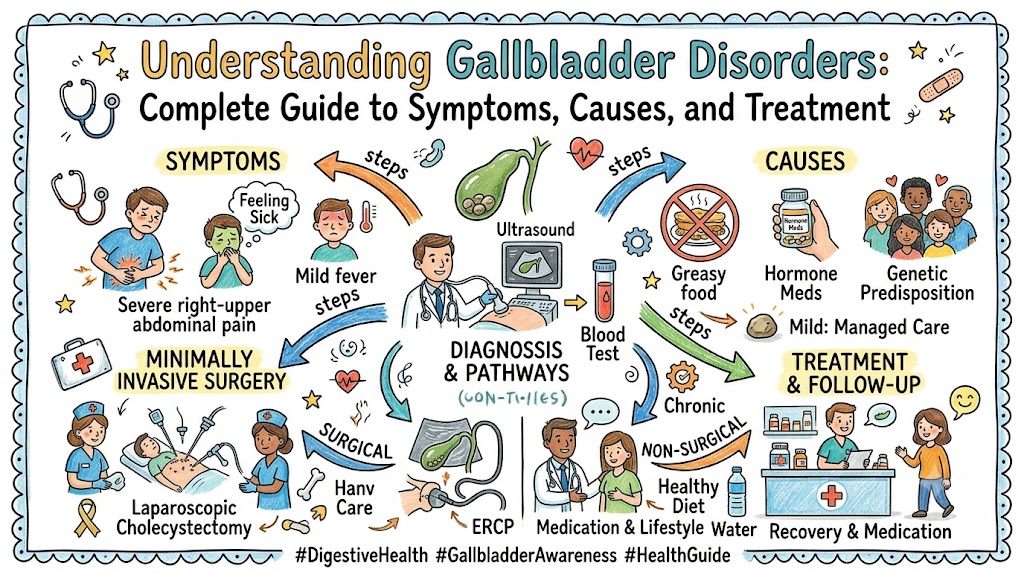
Gallbladder disorders are conditions affecting the gallbladder, a small organ that stores bile to help digest fats. Common issues include gallstones and inflammation, which can cause intense abdominal pain, nausea, and indigestion, particularly after eating fatty foods. Diagnosis typically involves imaging like ultrasound, while treatments range from dietary changes and medication to minimally invasive surgical removal of the gallbladder. Early medical intervention is crucial to prevent serious complications like bile duct blockages or severe infections, allowing patients to return to a normal, healthy lifestyle.
Understanding the Gallbladder
What Is the Gallbladder?
The gallbladder is a small, pear-shaped organ located in the upper right quadrant of your abdomen. It acts as a storage reservoir for bile, a digestive fluid produced by your liver.
Role of the Gallbladder in Digestion
When you consume food—especially fats—the gallbladder contracts, releasing concentrated bile into your small intestine. This bile acts like a detergent, breaking down fat globules so they can be digested and absorbed.
How Bile Supports Digestive Health
Bile is essential for the digestion of dietary fats and the absorption of fat-soluble vitamins (A, D, E, and K). Without efficient bile flow, your body may struggle to process nutrients effectively.
Why Gallbladder Function Matters
Efficient gallbladder function ensures that your digestive system remains balanced. When the flow of bile is disrupted, it can lead to digestive distress, pain, and malabsorption of vital nutrients.
Common Misconceptions About the Gallbladder
A frequent myth is that you cannot live a normal life without a gallbladder. In reality, while the organ is helpful, the body can adapt to its absence, and digestion typically remains normal after a recovery period.
What Are Gallbladder Disorders?
Definition and Overview
Gallbladder disorders encompass various conditions that interfere with the organ’s ability to store and release bile effectively, often causing pain or systemic health issues.
How Gallbladder Disorders Develop
Most disorders develop due to chemical imbalances in bile, which lead to crystal formation (stones), or from blockages that prevent bile from exiting the gallbladder, causing irritation and swelling.
Acute vs Chronic Gallbladder Conditions
Acute conditions involve sudden, intense pain and inflammation that require urgent medical care. Chronic conditions involve recurring episodes of mild discomfort over a longer period.
Impact on Digestive Health
When gallbladder function is impaired, you may experience persistent issues with fat digestion, leading to chronic bloating, gas, and discomfort after meals.
Importance of Early Medical Attention
Ignoring symptoms can lead to complications such as severe infections or pancreatic involvement. Early diagnosis allows for less invasive treatment options and quicker recovery.
Common Types of Gallbladder Disorders
Gallstones (Cholelithiasis)
These are hardened deposits of digestive fluid that form inside the gallbladder. They can range from the size of a grain of sand to the size of a golf ball.
Gallbladder Inflammation (Cholecystitis)
This is usually caused by a gallstone blocking the bile duct. When bile gets trapped, the gallbladder becomes inflamed, swollen, and prone to infection.
Gallbladder Polyps
Polyps are abnormal growths that form on the inner lining of the gallbladder wall. Most are benign, but some may require monitoring or removal if they show signs of change.
Bile Duct Obstruction
If a stone moves out of the gallbladder and gets lodged in the bile duct, it can stop bile flow, leading to jaundice and severe liver strain.
Choledocholithiasis
This specifically refers to the presence of a gallstone in the common bile duct, which is a medical situation requiring immediate intervention.
Gallbladder Dysfunction
Sometimes the gallbladder does not contract properly to release bile, even in the absence of stones. This is often referred to as “biliary dyskinesia.”
Gallbladder Cancer
While rare, gallbladder cancer is a serious condition that requires aggressive treatment. Early detection is difficult, making it crucial to report persistent symptoms to a doctor.
Causes and Risk Factors
High-Fat Diets
Consuming diets high in saturated fats and refined sugars can increase the cholesterol concentration in bile, encouraging the formation of gallstones.
Obesity and Weight Changes
Excess weight is a significant risk factor, as is rapid weight loss. Quick weight loss, such as through “crash diets,” can trigger the gallbladder to form stones.
Genetics and Family History
If your close relatives have had gallbladder issues, your chances of developing them increase, suggesting a genetic predisposition to bile chemistry imbalances.
Age and Gender Factors
Women are more likely to develop gallstones than men, particularly during childbearing years, due to hormonal fluctuations. Risk also increases as you get older.
Diabetes and Metabolic Conditions
People with diabetes often have higher levels of triglycerides, which can contribute to the development of gallstones and gallbladder issues.
Liver and Digestive Disorders
Conditions that affect liver function or intestinal health can interfere with bile production and regulation, increasing the risk of gallbladder disease.
Lifestyle Factors
Sedentary behavior and a lack of fiber-rich foods contribute to slower digestive motility, which may influence how the gallbladder functions.
Signs and Symptoms of Gallbladder Disorders
Upper Right Abdominal Pain
This is the hallmark symptom. The pain is often sharp or cramping and may radiate to your right shoulder or back.
Nausea and Vomiting
Many people experience nausea, especially after eating a meal containing fat or grease, as the body struggles to process the meal.
Bloating and Indigestion
Persistent gas, bloating, and a feeling of fullness in the upper abdomen are common, even when you aren’t eating large meals.
Pain After Fatty Meals
If you notice that fried or high-fat foods consistently trigger pain within 30 to 60 minutes, your gallbladder may be to blame.
Fever and Infection Symptoms
A fever accompanied by chills or abdominal pain suggests that the gallbladder may be infected (cholecystitis). This is an emergency situation.
Jaundice
Yellowing of the skin or the whites of the eyes indicates that bile is backed up in the system and entering the bloodstream.
Changes in Stool and Urine Color
Pale-colored stools and dark, tea-colored urine are indicators of a potential bile duct obstruction and require immediate medical evaluation.
When Symptoms Become an Emergency
Seek emergency care if you experience high fever, shaking chills, intense abdominal pain that makes it impossible to sit still, or persistent vomiting.
Comparison Table: Common Gallbladder Disorders and Their Symptoms
| Disorder | Primary Symptoms | Key Characteristic |
| Gallstones | Sharp upper right pain, nausea | Sudden “biliary colic” attacks |
| Cholecystitis | Severe pain, fever, chills | Persistent inflammation |
| Bile Duct Obstruction | Jaundice, dark urine, pale stools | Requires urgent intervention |
| Gallbladder Polyps | Often asymptomatic | Found incidentally during imaging |
| Biliary Dyskinesia | Chronic indigestion, mild pain | Poor gallbladder muscle function |
Comparison Table: Gallstones vs Gallbladder Inflammation
| Feature | Gallstones | Gallbladder Inflammation |
| Core Issue | Solid deposits in the gallbladder | Swelling/irritation of the gallbladder wall |
| Primary Cause | Bile chemistry imbalance | Blocked bile duct or infection |
| Duration | Can be intermittent | Often persistent until treated |
| Urgency | Variable | High (risk of infection/rupture) |
| Treatment | Diet, medication, or surgery | Often requires surgery and antibiotics |
How Gallbladder Disorders Are Diagnosed
Physical Examination
Your doctor will check for tenderness in the upper right abdomen, often using a specific test (Murphy’s sign) to see if you experience pain while taking a deep breath.
Medical History Review
A thorough review of your dietary habits, family history, and previous symptoms helps narrow down the cause of your distress.
Blood Tests
Blood work can identify signs of infection, liver stress, or blockage by measuring white blood cell counts and liver enzymes.
Ultrasound Imaging
This is the gold standard for diagnosing gallstones. It is non-invasive, quick, and highly effective at visualizing the gallbladder and bile ducts.
CT and MRI Scans
These provide detailed images that help identify complications, such as a blocked bile duct or signs of gallbladder wall thickening.
HIDA Scan
A Cholescintigraphy (HIDA) scan uses a radioactive tracer to track the flow of bile. It is excellent for diagnosing gallbladder dysfunction where stones aren’t present.
Endoscopic Procedures
An ERCP (Endoscopic Retrograde Cholangiopancreatography) may be used to look inside the bile ducts and even remove stones that are blocking the flow.
Treatment Options for Gallbladder Disorders
Lifestyle Modifications
If the condition is mild, doctors may suggest temporary changes to reduce the frequency of “attacks” while monitoring your progress.
Dietary Changes
Reducing fat intake is the most effective way to manage symptoms. Avoiding fried foods and high-fat dairy can significantly lower the burden on your gallbladder.
Medications
Certain bile acids can sometimes be used to dissolve very small cholesterol gallstones, though this process is slow and not effective for everyone.
Pain Management
During a flare-up, over-the-counter or prescription pain relievers are used to manage discomfort until the root cause can be addressed.
Gallstone Treatments
Beyond surgery, procedures like lithotripsy (using sound waves to break up stones) are rare, as surgery remains the most reliable solution.
Minimally Invasive Procedures
Endoscopic procedures can clear blockages in the bile ducts without requiring traditional surgery.
Gallbladder Removal Surgery (Cholecystectomy)
This is the most common and definitive treatment for symptomatic gallbladder disease. Removing the organ eliminates the source of the stones and future inflammation.
Understanding Gallbladder Surgery
When Surgery Is Recommended
Surgery is typically recommended if you have frequent pain, gallstones that are blocking ducts, or signs of chronic infection.
Laparoscopic Gallbladder Removal
The most common surgical method uses several tiny incisions and a camera. It allows for a shorter hospital stay, less pain, and a faster return to normal activities.
Open Gallbladder Surgery
In complex cases where there is severe scarring or inflammation, a surgeon may need to make a larger incision to perform the procedure safely.
Benefits of Modern Surgical Techniques
Laparoscopic surgery has revolutionized recovery. Most patients go home the same day or the following morning, returning to work within a week.
Recovery Expectations
Post-surgery recovery involves resting, following a light diet, and gradually increasing activity over a few weeks. Most people feel back to normal very quickly.
Recovery and Long-Term Care
Diet After Gallbladder Treatment
After removal, your liver will continue to produce bile, but it will drip continuously into your intestine. You may need to eat smaller, more frequent meals initially to adjust.
Physical Activity Recommendations
Gentle walking is encouraged immediately after surgery to promote healing. Strenuous exercise should be avoided for 2–4 weeks, depending on your surgeon’s guidance.
Digestive Adjustments
Some patients experience looser stools in the weeks following surgery. This is temporary and usually settles as your digestive system adjusts to the lack of a gallbladder.
Preventing Future Complications
While you cannot get gallstones again without a gallbladder, you should continue a heart-healthy, low-fat diet to support overall digestion and liver health.
Follow-Up Medical Care
Keep all follow-up appointments to ensure your incisions are healing and that your digestion is tracking well.
Foods That Support Gallbladder Health
High-Fiber Foods
Whole grains, beans, and lentils help keep your digestive system moving, which can prevent the bile stagnation that leads to stones.
Fruits and Vegetables
These are loaded with vitamins and antioxidants that protect your liver and gallbladder from inflammation.
Lean Proteins
Skinless poultry, fish, and plant-based proteins are easier for the digestive system to handle than fatty meats.
Healthy Fats
Small amounts of olive oil, avocado, or nuts provide necessary nutrition without overtaxing the gallbladder.
Hydration
Staying well-hydrated is crucial for keeping bile fluid and preventing it from becoming concentrated and forming stones.
Foods to Limit or Avoid
Limit fried foods, full-fat dairy, high-sugar baked goods, and processed meats. These can trigger painful gallbladder attacks.
Preventing Gallbladder Disorders
Maintaining a Healthy Weight
Gradual, steady weight management prevents the metabolic stress that often leads to gallbladder issues.
Balanced Nutrition
A consistent diet high in fiber and low in saturated fats is the best defense against developing gallstones.
Regular Physical Activity
Exercise improves digestive motility and helps maintain a healthy weight, both of which are critical for gallbladder health.
Managing Chronic Conditions
If you have diabetes or other metabolic issues, working with your doctor to manage these conditions effectively helps protect your gallbladder.
Routine Medical Checkups
Regular physicals can help catch issues like high cholesterol or early signs of digestive imbalance before they become painful problems.
Healthy Lifestyle Habits
Avoiding smoking and excessive alcohol intake helps protect your liver, which is the primary partner of the gallbladder in the digestive process.
Potential Complications of Untreated Gallbladder Disorders
Severe Infections
If a gallbladder stays infected (acute cholecystitis), it can lead to gangrene or rupture, which is a life-threatening medical emergency.
Pancreatitis
A stone that exits the gallbladder and blocks the pancreatic duct can trigger painful, dangerous inflammation of the pancreas.
Bile Duct Blockage
This prevents bile from leaving the liver, leading to severe jaundice, liver damage, and systemic infection.
Chronic Digestive Problems
Untreated, symptomatic gallbladder disease can lead to chronic pain, malabsorption, and a significantly reduced quality of life.
Emergency Surgical Situations
Delaying care often turns a simple, elective laparoscopic procedure into an urgent or emergency surgery with more risks and longer recovery.
How to Choose the Right Digestive Health Hospital
Gastroenterology Expertise
Look for a hospital with a dedicated team of board-certified gastroenterologists who specialize in hepatobiliary (liver/gallbladder) care.
Advanced Diagnostic Technology
Ensure the hospital has on-site access to high-quality ultrasound, CT, and HIDA scan capabilities.
Surgical Experience
Choose a facility where surgeons perform a high volume of laparoscopic cholecystectomies, as experience is directly tied to the best safety outcomes.
Patient Support Services
A good hospital will have coordinators to help you navigate your care, from pre-op instructions to post-op recovery.
Emergency Care Availability
Because gallbladder attacks are unpredictable, having a hospital with 24/7 emergency digestive care is a major advantage.
Questions Patients Should Ask
- “What diagnostic tests do you recommend for my specific symptoms?”
- “How many gallbladder surgeries does your team perform per month?”
- “What options are available for minimally invasive treatment?”
- “What kind of follow-up care is provided after surgery?”
Future of Gallbladder Care
AI in Digestive Health
AI is currently being integrated into imaging systems to help radiologists identify stones or early inflammatory signs with greater accuracy.
Advanced Imaging Technologies
Newer, high-definition imaging techniques are making it easier to distinguish between different types of polyps and stones.
Minimally Invasive Surgical Innovations
Robotic-assisted surgery is becoming more common, offering even greater precision during complex gallbladder removals.
Personalized Treatment Approaches
Genetic testing and microbiome research are beginning to shed light on why certain people form stones, leading to customized prevention plans.
Emerging Gastroenterology Developments
Research into bile acid supplements and pharmacological stone dissolution is ongoing, aiming to offer alternatives to surgery for high-risk patients.
Key Takeaways
- The gallbladder is essential for processing fats but can be lived without.
- Sharp upper right abdominal pain after a meal is a classic gallbladder symptom.
- Gallstones are the most common cause of gallbladder disorders.
- Ultrasound is the primary tool used to diagnose gallbladder issues.
- Fatty, fried foods are the most frequent triggers for gallbladder attacks.
- Chronic inflammation of the gallbladder can lead to serious, life-threatening infections.
- Surgery (cholecystectomy) is the gold standard for symptomatic gallbladder disease.
- Recovery from laparoscopic gallbladder removal is typically quick and straightforward.
- Dietary changes can help manage mild symptoms but do not “cure” gallstones.
- Early intervention prevents complications like pancreatitis or bile duct obstruction.
- Weight management and high-fiber diets are your best prevention strategies.
FAQ Section
1.Can gallbladder attacks go away on their own?
A single attack might subside, but the underlying issue (like stones) remains. Because attacks often recur and increase in severity, medical evaluation is necessary.
2.Do I have to have my gallbladder removed if I have gallstones?
Not always. If you have “silent” gallstones that don’t cause pain or inflammation, many doctors will recommend a “watch and wait” approach. Surgery is usually for those with symptoms.
3.What is the recovery time for gallbladder surgery?
Most patients return to light activities within a few days and are fully recovered within 2 to 4 weeks after laparoscopic surgery.
4.Can diet alone get rid of gallstones?
Unfortunately, no. Once gallstones have formed, they cannot be dissolved by dietary changes alone. Diet can only help manage the symptoms caused by the stones.
5.What happens if I ignore gallbladder pain?
Ignoring the pain can lead to severe infection, inflammation of the pancreas, or blockage of the bile duct, all of which are medical emergencies.
6.Is jaundice a sign of a gallbladder emergency?
Yes. Jaundice indicates that bile is trapped and entering your bloodstream. This is a sign of a blockage and requires immediate medical attention.
7.Can I eat normally after gallbladder removal?
Most people return to a normal diet. However, in the immediate weeks after surgery, eating high-fat foods may cause digestive discomfort while your body adjusts.
8.Are there any long-term side effects to removing the gallbladder?
Some people experience mild digestive changes, such as diarrhea, if they eat very high-fat meals, but these symptoms usually resolve over time.
9.How are gallstones formed?
They form when there is an imbalance in the chemicals that make up bile—usually too much cholesterol, too much bilirubin, or too little bile salts.
10.When should I see a doctor about gallbladder pain?
Any time you experience persistent or recurring abdominal pain, nausea, or changes in stool color, you should schedule a visit with your physician.
Conclusion
Understanding gallbladder disorders is about more than just managing pain; it is about protecting your entire digestive health. By recognizing the subtle signs—such as persistent bloating or pain after a fatty meal—you can take control of your health before a minor issue becomes a major emergency. While the idea of a digestive disorder can be daunting, the modern diagnostic tools and surgical techniques available today make gallbladder issues highly treatable and manageable.The most important takeaway is that you do not have to live with the fear of a gallbladder attack. Whether through dietary modifications for mild cases or a straightforward surgical procedure for more severe ones, there is a path forward that will allow you to return to the foods you love and the activities you enjoy. Digestive health is a cornerstone of overall well-being, and by prioritizing it, you are investing in your quality of life for years to come.