Introduction
We have all experienced the uncomfortable, sluggish feeling of constipation at some point. It is not just about physical discomfort; it often influences your energy, mood, and ability to focus on daily tasks. While occasional bouts are common, understanding how to prevent them can significantly improve your quality of life and long-term wellness.
The good news is that for most people, constipation is manageable and often preventable through simple, consistent changes to diet and daily habits. By taking a proactive approach to your digestive system, you can maintain regularity and avoid the distress of chronic blockage. At GastroHospitals, we believe that digestive wellness starts with education. In this guide, we will explore the science behind bowel health and provide you with actionable, expert-backed tips to keep your system running smoothly.
Quick Answer
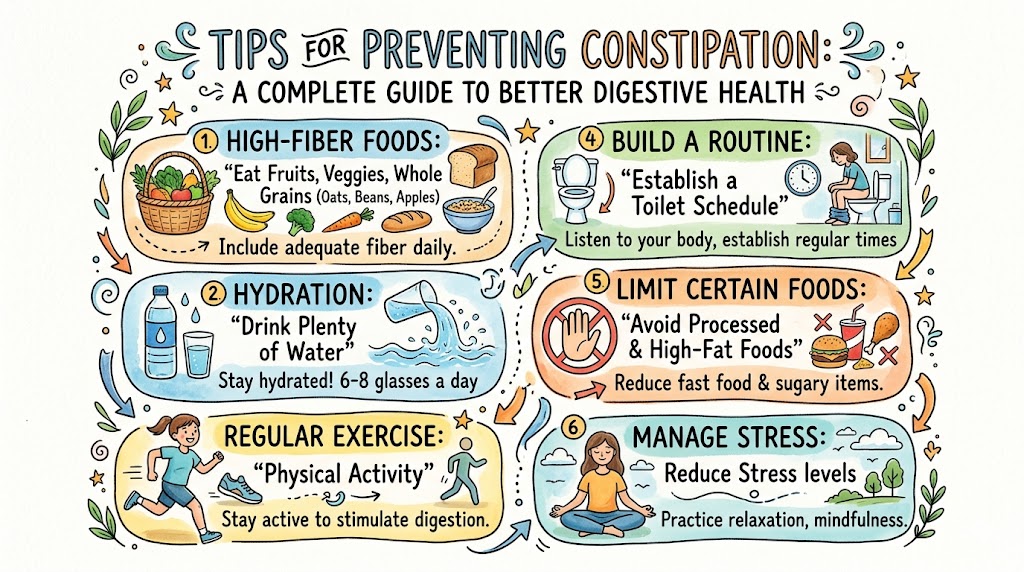
To prevent constipation, focus on three main pillars: fiber, hydration, and movement. Aim for 25–35 grams of fiber daily through fruits, vegetables, and whole grains, and drink plenty of water to help that fiber move through your system. Regular physical activity, like a daily walk, keeps your bowels stimulated. Additionally, listen to your body and never ignore the urge to have a bowel movement, and try to establish a consistent bathroom routine. These habits form the foundation of a healthy digestive system and help prevent blockages effectively.
Understanding Constipation
What Is Constipation?
Constipation is generally defined as having fewer than three bowel movements a week, or bowel movements that are hard, dry, or difficult to pass. It is a symptom, not a disease, indicating that your digestive system needs support.
How the Digestive System Works
Your digestive system is a complex journey. After you eat, food travels through the esophagus to the stomach and small intestine, where nutrients are absorbed. The remaining waste moves into the large intestine (colon), where water is absorbed before the waste is passed out of the body.
Common Signs and Symptoms
Common symptoms include straining during movements, the feeling of incomplete evacuation, abdominal bloating, and hard, lumpy stools. You may also feel a sense of sluggishness or general discomfort in the abdomen.
Occasional vs Chronic Constipation
Occasional constipation is usually triggered by travel, dietary changes, or stress and resolves quickly. Chronic constipation, however, persists for weeks or longer and may require a more thorough medical investigation.
Why Digestive Health Matters
Your gut is often called your “second brain.” A healthy digestive system is essential not only for waste removal but also for nutrient absorption and a strong immune system. Regular bowel movements are a primary indicator of a well-functioning gut.
Common Causes of Constipation
Low-Fiber Diet
Fiber adds bulk to your stool and helps it move through the intestines. A diet high in processed foods and low in plant-based options is the most frequent cause of constipation.
Inadequate Water Intake
Water is necessary for fiber to work correctly. Without enough hydration, fiber can actually cause stools to become hard and difficult to pass rather than soft and easy.
Lack of Physical Activity
Movement helps stimulate the natural contractions of your intestines. A sedentary lifestyle can slow down the digestive process, leading to constipation.
Ignoring the Urge to Have a Bowel Movement
When you suppress the urge to use the bathroom, your colon continues to absorb water from the stool, making it harder and dryer, which makes the next attempt much more difficult.
Medication-Related Constipation
Many common medications, including some pain relievers, iron supplements, antacids, and blood pressure drugs, have constipation as a potential side effect.
Digestive Disorders and Medical Conditions
Conditions like irritable bowel syndrome (IBS), diabetes, thyroid issues, and neurological disorders can interfere with the signals that control your bowels.
Risk Factors for Constipation
Age-Related Factors
As people age, the digestive tract slows down. Changes in diet, reduced physical activity, and increased medication use make constipation more common in older adults.
Lifestyle Habits
Irregular schedules, frequent travel, and chronic stress can disrupt your internal clock, leading to digestive irregularity.
Dietary Patterns
Relying on “convenience” foods often means you are consuming more refined sugars and fewer whole, fiber-rich ingredients, which increases risk.
Pregnancy and Hormonal Changes
The hormonal shifts during pregnancy can slow down bowel function, and the physical pressure of the uterus can also contribute to constipation.
Stress and Mental Health
The brain-gut connection is powerful. High stress levels can cause your digestive system to “shut down” or malfunction, leading to constipation or other irregularities.
Top Tips for Preventing Constipation
Increase Fiber Intake
Gradually add more fiber to your diet. Focus on beans, broccoli, carrots, whole grains, and fresh fruits. Remember to increase your intake slowly to avoid gas.
Drink Enough Water Daily
Water is your digestive system’s lubricant. Make it a habit to carry a water bottle and sip throughout the day to ensure your stools remain soft.
Stay Physically Active
Even moderate exercise, such as a 20-minute brisk walk, helps keep the digestive tract muscles active and moving waste forward.
Develop Healthy Bathroom Habits
Set aside a specific time for the bathroom, ideally after a meal when your digestive system is naturally more active. Do not rush and do not ignore the “urge.”
Eat a Balanced Diet
Focus on “whole foods.” If it comes in a box and has a long list of ingredients you cannot pronounce, it is likely lacking the fiber you need for regularity.
Limit Highly Processed Foods
Processed snacks, fast food, and frozen meals are often stripped of fiber. Reducing these helps you make room for more nutrient-dense, fiber-rich options.
Manage Stress Effectively
Practice deep breathing, meditation, or yoga. These activities calm your nervous system, which in turn helps your digestive system function more normally.
Maintain a Consistent Routine
Your body thrives on predictability. Sleeping, eating, and bathroom habits that occur at roughly the same time every day encourage digestive consistency.
Best Foods for Preventing Constipation
Fruits Rich in Fiber
Pears, apples (with skin), prunes, and berries are excellent sources of soluble and insoluble fiber that keep you regular.
Vegetables That Support Digestion
Leafy greens, broccoli, Brussels sprouts, and carrots are packed with fiber and water, making them perfect for gut health.
Whole Grains and Cereals
Oats, quinoa, brown rice, and whole-wheat bread provide sustained energy and bulk for the digestive system.
Legumes and Beans
Lentils, chickpeas, kidney beans, and black beans are among the most fiber-dense foods available.
Nuts and Seeds
Chia seeds, flaxseeds, and almonds provide both fiber and healthy fats, which act as a natural lubricant for the bowel.
Probiotic-Rich Foods
Yogurt, kefir, and fermented foods like sauerkraut support a healthy microbiome, which is essential for smooth digestion.
Foods That May Contribute to Constipation
Highly Processed Foods
Chips, cookies, white bread, and pastries are low in fiber and can slow down your bowel transit time.
Excessive Dairy Products
For some people, large amounts of cheese and milk can cause digestive slowing and constipation.
Low-Fiber Snacks
Crackers, pretzels, and many “snack packs” are typically devoid of the fiber needed to promote regularity.
Sugary Foods and Beverages
Excessive sugar can interfere with gut health and may displace the healthy, fiber-rich foods your body needs.
Foods to Consume in Moderation
Fried foods and heavy meats should be balanced with plenty of vegetables to ensure your overall fiber intake remains adequate.
Comparison Table: High-Fiber Foods vs Low-Fiber Foods
| High-Fiber Foods | Low-Fiber Foods | Impact on Digestion |
| Lentils/Beans | White Rice | High fiber adds bulk; white rice does not |
| Fresh Berries | Fruit Juice | Whole fruit contains fiber; juice does not |
| Whole Oats | White Bread | Whole grains maintain motility |
| Broccoli | Processed Chips | Veggies provide fiber; chips are processed |
| Chia/Flax Seeds | Candy/Sweets | Seeds aid movement; sugar slows it |
Comparison Table: Healthy Habits vs Constipation-Promoting Habits
| Healthy Habit | Constipation-Promoting Habit | Result |
| Drinking 8+ glasses of water | Drinking mostly caffeine/soda | Hydration prevents stool hardening |
| Regular walking/exercise | Prolonged sitting/sedentary | Activity stimulates bowel muscles |
| Responding to the urge immediately | Ignoring the urge to use toilet | Prevents stool dehydration in colon |
| Eating consistent meals | Skipping meals/irregular eating | Consistent stimulation of gut |
Lifestyle Changes for Long-Term Digestive Health
Creating a Fiber-Rich Meal Plan
Try to incorporate at least one fiber-rich food into every meal. Start your day with oats and berries, and have a side of beans or greens with dinner.
Importance of Daily Movement
Movement is medicine for the gut. If you have a desk job, set a timer to stand up and walk around the office every hour to keep your metabolism and digestion moving.
Maintaining Hydration
Keep a water bottle within reach. If you find plain water boring, infuse it with lemon, cucumber, or mint to encourage more sipping.
Healthy Sleep Habits
A well-rested body manages stress better. When your nervous system is calm, your digestive system is much more likely to function as it should.
Stress Management Techniques
Identify your stressors. Whether it is a hobby, light reading, or journaling, find a way to wind down daily to protect your gut health.
Constipation Prevention for Different Age Groups
Children
Ensure they have regular access to water and provide fiber-rich snacks like fruit slices or carrot sticks instead of processed treats.
Teenagers
Encourage healthy eating habits early, as high-pressure school schedules and fast food can lead to early-onset digestive issues.
Adults
Focus on work-life balance and meal planning. Bringing a healthy, high-fiber lunch to work is a great way to stay on track.
Older Adults
Prioritize hydration and gentle movement, as medications and age-related changes can significantly increase the risk of constipation.
Special Considerations for Pregnant Women
Increase fiber and water intake significantly, and engage in gentle, doctor-approved prenatal exercise to manage digestive slowing.
When to Seek Medical Attention
Persistent Constipation
If your constipation lasts longer than two weeks despite making healthy lifestyle changes, consult a doctor.
Severe Abdominal Pain
Sudden or intense pain that does not go away is a red flag that requires immediate medical evaluation.
Blood in Stool
Any presence of blood in your stool should be checked by a professional, as it could indicate other underlying conditions.
Unexplained Weight Loss
Weight loss without changing your diet or exercise habits can be a serious medical concern.
Changes in Bowel Habits
If you notice a sudden, persistent change in your bowel patterns that does not return to normal, see a physician.
Medical Evaluation and Treatment Options
Diagnostic Testing
Doctors may use tests like blood work, colonoscopies, or motility studies to see what is happening inside the digestive tract.
Medical Assessment
A physician will review your medical history, current medications, and lifestyle to determine the root cause of your symptoms.
Treatment Approaches
Treatment may include over-the-counter fiber supplements, stool softeners, or, in more complex cases, prescription medications.
Managing Chronic Constipation
Chronic issues often require a long-term plan involving dietary changes, behavior modification, and sometimes physical therapy.
Specialist Care and Follow-Up
If needed, your primary doctor can refer you to a gastroenterologist, a specialist dedicated to the health of the digestive system.
Potential Complications of Untreated Constipation
Hemorrhoids
Chronic straining during bowel movements puts pressure on the veins in the rectum, leading to swollen, painful hemorrhoids.
Anal Fissures
Passing hard, dry stools can tear the sensitive tissue around the anus, causing pain and bleeding.
Fecal Impaction
In severe cases, stool becomes so hard and packed that it cannot be passed, often requiring manual removal or clinical intervention.
Reduced Quality of Life
Constant digestive distress affects your social life, work performance, and general emotional well-being.
Long-Term Digestive Issues
Chronic constipation may lead to rectal prolapse or contribute to the development of other bowel conditions over many years.
Future of Digestive Health Management
Personalized Nutrition Plans
New technology is allowing us to look at individual gut bacteria profiles to create dietary plans tailored to your unique microbiome.
Gut Microbiome Research
Scientists are learning more about how specific bacteria in your gut contribute to digestion, which will lead to better probiotic treatments.
Digital Health Monitoring
Smart apps and wearable sensors are helping patients track their hydration, fiber intake, and bathroom habits to identify trends and triggers.
Advances in Gastroenterology Care
Better, more targeted medications are being developed that can treat constipation without the side effects of traditional laxatives.
Preventive Healthcare Approaches
The medical field is shifting toward “gut-first” medicine, recognizing that preventing digestive issues can stop many other health problems before they start.
Key Takeaways
- Prevention is always better than treatment; simple lifestyle habits are usually enough.
- Fiber and water are the two most important tools in your digestive toolkit.
- Never ignore the urge to use the bathroom, as this can lead to chronic issues.
- Consistent physical activity keeps your intestinal muscles toned and moving.
- Focus on whole, plant-based foods rather than highly processed options.
- Stress management is just as important for digestion as your diet.
- Regular bathroom routines help the body maintain natural regularity.
- Medications can cause constipation; talk to your doctor if you suspect yours are.
- Chronic constipation requires professional medical assessment; don’t suffer in silence.
- Early intervention prevents complications like hemorrhoids and fissures.
- The gut-brain connection means your mental health impacts your digestion.
- Listen to your body, stay hydrated, and stay active for a healthy gut.
FAQ Section
How much water should I drink to prevent constipation?
While everyone is different, a good rule of thumb is to aim for enough water so that you rarely feel thirsty and your urine is a pale yellow color. Generally, 6–8 glasses a day is a healthy target, but increase this if you are exercising or if it is hot.
Can coffee help with constipation?
For many people, coffee acts as a natural stimulant for the bowels due to both its caffeine content and its ability to stimulate gastrin, a hormone that speeds up colon activity. However, caffeine can also dehydrate you, so balance coffee with plenty of water.
Is it okay to use laxatives daily?
No, you should not rely on laxatives daily unless explicitly directed by your doctor. Overuse can make your bowels dependent on them, meaning they may stop working on their own. Always try lifestyle changes first.
Does the time of day I eat affect my bowel movements?
Yes. Eating breakfast, in particular, can trigger the “gastrocolic reflex,” a natural process where the stomach signals the colon to empty itself. Having a consistent meal schedule helps the body anticipate this need.
What is the best position for a bowel movement?
Using a stool to elevate your knees higher than your hips while sitting on the toilet can help align your rectum in a way that makes evacuation easier and more natural.
Can stress really cause constipation?
Yes. When you are stressed, your body enters “fight or flight” mode, which diverts blood flow away from the digestive system. This can significantly slow down your gut motility.
How long should I wait before seeking help for constipation?
If you have tried increasing fiber, water, and exercise for two weeks with no improvement, or if you experience severe symptoms like pain or blood, you should schedule a visit with your doctor.
Are fiber supplements better than dietary fiber?
Dietary fiber is generally better because it comes packaged with water, vitamins, and minerals that support health. Supplements can be helpful, but they should be used to augment a healthy diet, not replace it.
Can pregnancy cause constipation?
Yes, it is very common due to both hormonal changes that slow down the gut and the physical pressure of the growing baby. It is important to discuss safe, natural management strategies with your obstetrician.
What are the best fiber-rich snacks for busy people?
Easy, high-fiber snacks include a handful of almonds, an apple with the skin on, a pear, or a pre-portioned bag of baby carrots. These are easy to keep in a bag and provide immediate digestive support.
Conclusion
Preventing constipation is largely about respecting your body’s need for consistency, hydration, and natural fuel. By prioritizing a fiber-rich diet, staying physically active, and paying attention to your daily habits, you can keep your digestive system functioning effectively and comfortably.Remember that digestive health is a reflection of your overall health. When you nurture your gut with the right habits, you are supporting your energy, your immune system, and your total well-being. If you ever feel like your digestive health needs a professional touch, remember that GastroHospitals.com is here to provide the expert guidance you need. Stay proactive, listen to your body, and enjoy the comfort of a healthy, regular digestive system.